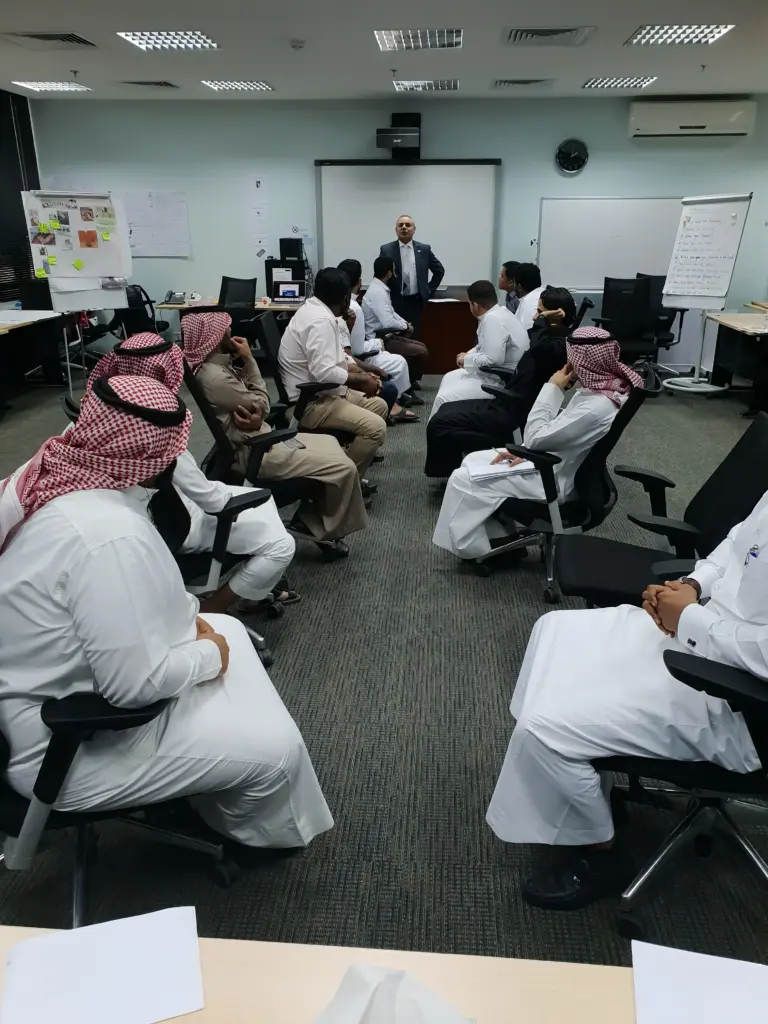

Artificial intelligence (AI) is transforming the way organizations manage their workforce. What was once considered an emerging technology has become an essential driver of efficiency, data-driven decision-making, and employee engagement across many industries.
As organizations in Saudi Arabia continue their digital transformation journeys, Human Resources (HR) departments are increasingly adopting AI-powered solutions to improve recruitment, workforce planning, performance management, learning and development, and employee experience. Rather than replacing HR professionals, AI enables them to focus on more strategic initiatives by automating repetitive tasks and providing valuable workforce insights.
The growing adoption of AI also aligns with Saudi Arabia’s Vision 2030, which encourages organizations to embrace innovation, digital technologies, and workforce development to build a competitive and future-ready economy.
However, successfully implementing AI in HR requires more than investing in technology. Organizations need a clear strategy, skilled professionals, reliable data, and an understanding of how AI can support business objectives while maintaining ethical and responsible practices.
This article explores how organizations are leveraging AI in HR Saudi Arabia, the benefits and challenges of AI adoption, and the key considerations for building an AI-enabled HR function.
Why AI Is Transforming Human Resources
Human Resources has evolved beyond administrative responsibilities. Today, HR plays a strategic role in attracting talent, developing employees, improving organizational performance, and supporting long-term business growth.
As organizations grow, managing workforce data, recruitment processes, employee engagement, and performance becomes increasingly complex.
Artificial intelligence helps HR teams manage these responsibilities more efficiently by analyzing large volumes of data, identifying patterns, automating repetitive processes, and supporting better decision-making.
Rather than replacing human judgment, AI provides HR professionals with insights that enable them to make faster, more informed decisions while focusing on activities that require creativity, leadership, and interpersonal skills.
For organizations embracing artificial intelligence in HR in KSA, AI is becoming a valuable tool for improving operational efficiency and supporting workforce development.
Key Applications of AI in HR
Organizations are adopting AI across multiple HR functions to improve both operational efficiency and employee experience.
Recruitment and Talent Acquisition
Recruitment is one of the most common areas where AI delivers value.
AI-powered recruitment platforms can help organizations:
- Screen large volumes of applications.
- Match candidate skills with job requirements.
- Schedule interviews automatically.
- Reduce administrative workload.
- Improve the speed of hiring processes.
This allows HR professionals to dedicate more time to engaging with candidates and making informed hiring decisions.
Workforce Planning
Effective workforce planning requires organizations to anticipate future talent needs.
AI can analyze workforce trends, employee turnover, organizational growth, and labor market data to support strategic workforce planning.
By using predictive analytics, HR leaders can identify future capability gaps and develop proactive recruitment and development strategies.
Learning and Development
AI is also transforming employee learning by delivering personalized development experiences.
Instead of assigning the same training program to every employee, AI can recommend learning paths based on:
- Individual roles.
- Skills assessments.
- Career aspirations.
- Performance data.
- Organizational priorities.
This creates more relevant learning experiences while supporting continuous professional development.
Performance Management
Traditional performance reviews often rely on periodic evaluations.
AI enables organizations to monitor performance more continuously by analyzing objective data and identifying trends that support better coaching and development conversations.
Managers can use AI-generated insights to recognize achievements, identify development opportunities, and support employee growth.
Employee Experience
Employee satisfaction plays a significant role in retention and organizational performance.
AI-powered tools can improve the employee experience through:
- Virtual HR assistants.
- Self-service support.
- Automated responses to common HR inquiries.
- Personalized communication.
- Employee feedback analysis.
These technologies help employees access information more efficiently while allowing HR teams to focus on strategic initiatives.
Benefits of AI for Saudi Organizations
As digital transformation continues across the Kingdom, AI offers significant opportunities for organizations seeking to modernize their HR functions.
Some of the key benefits include:
Improved Efficiency
Automating repetitive administrative tasks reduces manual work and allows HR professionals to focus on strategic priorities.
Better Decision-Making
AI provides valuable workforce insights by analyzing large amounts of HR data and identifying trends that may not be immediately visible.
Enhanced Talent Management
Organizations can improve recruitment, onboarding, employee development, succession planning, and retention through more informed decisions.
Personalized Employee Development
AI supports individualized learning experiences that help employees develop skills relevant to their current roles and future career opportunities.
Data-Driven Workforce Planning
Using people analytics in Saudi, organizations can make evidence-based decisions about workforce planning, organizational development, and talent management.
Challenges of AI Adoption in HR
While AI provides numerous opportunities, successful implementation also requires organizations to address several important challenges.
Data Quality
AI systems rely on accurate and reliable data.
Incomplete or inconsistent HR data can reduce the effectiveness of AI-powered solutions.
Ethical Considerations
Organizations should ensure AI is used fairly and transparently, particularly when supporting recruitment, performance evaluation, or workforce decisions.
Human oversight remains essential to prevent unintended bias and maintain trust.
Employee Readiness
Introducing AI often requires employees and HR professionals to develop new digital skills.
Training and change management play an important role in helping teams adapt to new technologies.
Technology Integration
AI solutions should integrate effectively with existing HR systems to maximize efficiency and support a seamless employee experience.
Building an AI-Ready HR Function
Adopting AI in Human Resources is not simply about implementing new software. It requires organizations to build a strong foundation that combines technology, skilled professionals, and well-defined processes.
A successful AI strategy begins with understanding organizational needs and identifying where AI can create the greatest value.
Organizations should focus on several key areas:
Develop a Clear AI Strategy
AI initiatives should support broader business objectives rather than operate as standalone technology projects.
Organizations should define:
- What HR challenges need to be addressed?
- Which processes can benefit from automation?
- What outcomes are expected?
- How will success be measured?
Aligning AI initiatives with organizational goals ensures that technology investments deliver measurable business value.
Strengthen Data Management
Reliable data is essential for effective AI implementation.
Organizations should establish consistent processes for collecting, managing, and maintaining workforce data to ensure AI systems generate meaningful insights.
Good data governance also improves accuracy, compliance, and decision-making.
Invest in HR Skills
As AI becomes more integrated into HR operations, professionals need new competencies that combine human expertise with digital capabilities.
These skills may include:
- Data interpretation
- Digital literacy
- AI awareness
- Workforce analytics
- Change management
- Strategic decision-making
Developing these capabilities enables HR teams to work effectively alongside AI technologies while maintaining a people-centered approach.
Promote Responsible AI Practices
Organizations should ensure AI is implemented responsibly by maintaining transparency, protecting employee privacy, and minimizing bias in decision-making.
AI should support—not replace—human judgment, particularly in areas involving recruitment, employee development, and performance management.
Establishing clear governance policies helps organizations build trust while using AI ethically and effectively.
Measuring the Impact of AI in HR
Implementing AI is only the beginning. Organizations should continuously evaluate whether AI initiatives are contributing to meaningful business improvements.
Measuring outcomes helps determine whether technology investments are supporting organizational objectives and delivering long-term value.
Key performance indicators may include:
Recruitment Efficiency
Organizations can evaluate improvements in:
- Time-to-hire
- Recruitment costs
- Candidate experience
- Hiring quality
Employee Engagement
AI-powered employee feedback tools can provide valuable insights into employee satisfaction, engagement levels, and workplace experience.
Monitoring these indicators helps HR teams identify trends and respond proactively.
Learning and Development Outcomes
Organizations should assess whether AI-driven learning recommendations contribute to:
- Higher training completion rates
- Improved skill development
- Better knowledge retention
- Increased participation in learning initiatives
Workforce Productivity
AI can support workforce planning and operational efficiency by reducing administrative workloads and enabling HR professionals to focus on higher-value activities.
Monitoring productivity indicators helps organizations evaluate the overall impact of AI adoption.
Checklist: Is Your HR Team Ready for AI?
Use this checklist to assess your organization’s readiness for AI adoption in Human Resources.
Strategy and Planning
- Have clear business objectives for AI been defined?
- Have HR processes suitable for AI been identified?
- Is AI aligned with organizational strategy?
- Have expected outcomes been established?
Data and Technology
- Is workforce data accurate and well-managed?
- Can AI integrate with existing HR systems?
- Are cybersecurity and data privacy measures in place?
- Is the necessary technology infrastructure available?
People and Skills
- Have HR professionals received AI-related training?
- Do employees understand how AI will support their work?
- Are managers prepared to lead digital transformation initiatives?
- Is there a plan for change management?
Measuring Success
- Have KPIs been defined?
- Will employee feedback be collected?
- Are business outcomes monitored regularly?
- Is there a process for continuous improvement?
How GBNTC Supports AI and Digital Transformation
As organizations continue their digital transformation journeys, developing the right skills is just as important as adopting the right technologies.
GBNTC supports organizations through specialized learning solutions that help professionals understand emerging technologies, strengthen digital capabilities, and apply AI effectively within the workplace.
Through technology and AI-focused programs, GBNTC helps organizations build future-ready workforces by developing practical skills in digital transformation, innovation, workforce analytics, and AI-enabled decision-making.
Rather than focusing solely on technology implementation, GBNTC emphasizes capability development, ensuring employees and leaders are equipped to adapt, innovate, and thrive in an increasingly digital business environment.
Frequently Asked Questions (FAQ)
What is AI in Human Resources?
AI in Human Resources refers to the use of artificial intelligence technologies to support HR activities such as recruitment, workforce planning, learning and development, performance management, and employee engagement.
How are organizations in Saudi Arabia using AI in HR?
Organizations are using AI to automate administrative tasks, improve recruitment processes, analyze workforce data, personalize employee learning, and support strategic decision-making.
Does AI replace HR professionals?
No. AI is designed to support HR professionals by automating repetitive tasks and providing data-driven insights, allowing them to focus on strategic and people-centered responsibilities.
What are the benefits of AI in HR?
AI can improve operational efficiency, enhance recruitment, strengthen workforce planning, personalize employee development, support data-driven decisions, and improve employee experience.
What skills do HR professionals need in an AI-driven workplace?
HR professionals benefit from developing skills in digital literacy, workforce analytics, data interpretation, AI awareness, strategic thinking, and change management.
Conclusion
Artificial intelligence is reshaping the future of Human Resources by enabling organizations to make more informed decisions, improve workforce management, and enhance the employee experience.
As organizations across Saudi Arabia continue to embrace digital transformation, AI provides new opportunities to optimize HR processes while supporting strategic business goals.
However, successful adoption requires more than implementing technology. Organizations need reliable data, skilled professionals, responsible governance, and a clear strategy that aligns AI initiatives with organizational priorities.
By investing in both technology and people, organizations can build agile, data-driven HR functions that are prepared to meet the evolving demands of the future workplace.
Looking to build AI capabilities within your organization?
Explore GBNTC’s Technology & AI Programs to help your teams develop the digital skills, AI knowledge, and practical capabilities needed to support innovation, workforce transformation, and long-term organizational success.