
Developing Future Leaders: Leading the Next Generation
Organizations today operate in an environment defined by constant change, digital transformation, evolving workforce expectations, and increasing business complexity. To remain competitive, organizations need more than strong strategies and advanced technologies, they need leaders who can adapt, inspire teams, make effective decisions, and guide organizations toward sustainable growth.
This makes developing future leaders a strategic priority for organizations that aim to build long-term capabilities and ensure leadership continuity.
Future leaders are not created only through job experience. They are developed through structured learning experiences, practical exposure, coaching, mentoring, and opportunities that allow them to strengthen both technical and behavioral competencies.
A strong leadership development approach enables organizations to identify potential leaders, prepare them for future responsibilities, and create a workforce that is ready to respond to emerging challenges.
Why Developing Future Leaders Is Essential for Organizations
Leadership requirements continue to evolve. The skills that helped organizations succeed in the past may not be enough to address today’s challenges.
Future leaders need the ability to:
- Navigate change effectively
- Make strategic decisions
- Build high-performing teams
- Communicate clearly with different stakeholders
- Encourage innovation and continuous improvement
- Align team performance with organizational goals
Organizations that invest in leadership development create a stronger foundation for sustainable performance and long-term success.
Without a clear approach to developing future leaders, organizations may face challenges such as leadership gaps, limited internal talent pipelines, and difficulty maintaining performance during periods of transition.
The Key Elements of Future Leadership Development
1. Identifying High-Potential Talent
The first step in developing future leaders is recognizing individuals who demonstrate leadership potential.
Organizations should assess employees based on factors such as:
- Problem-solving abilities
- Decision-making skills
- Communication effectiveness
- Collaboration capabilities
- Ability to influence others
- Commitment to organizational values
Identifying future leaders early allows organizations to create targeted development plans that support their growth.
2. Building Essential Leadership Competencies
Effective leaders require a combination of skills, behaviors, and knowledge.
Future leadership development should focus on strengthening capabilities such as:
Strategic Thinking
Leaders must understand the bigger organizational picture and connect daily decisions with long-term objectives.
Communication and Influence
Successful leaders create alignment by communicating clearly, building trust, and influencing teams effectively.
Emotional Intelligence
Understanding people, managing relationships, and responding effectively to different situations are essential leadership capabilities.
Change Management
Future leaders must be prepared to guide teams through uncertainty and organizational transformation.
The Role of Leadership Training Programs
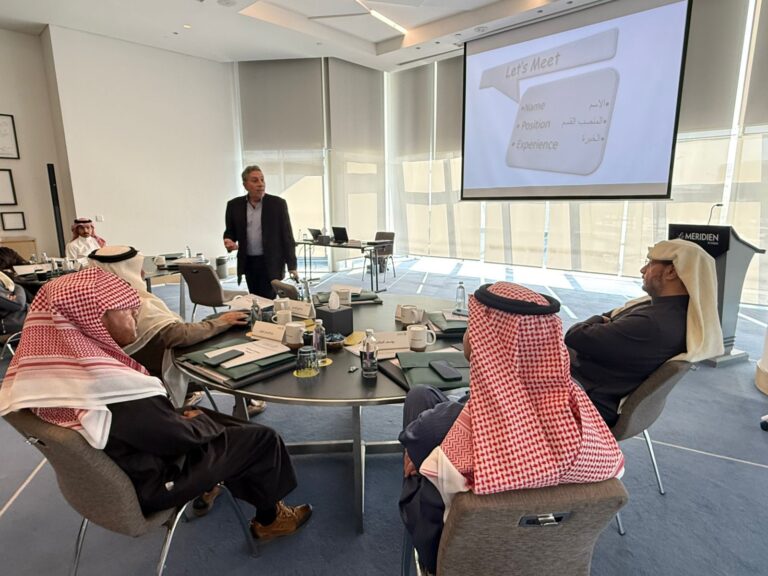
Structured leadership training programs provide future leaders with the knowledge, tools, and practical experiences needed to enhance their effectiveness.
Effective programs go beyond theoretical concepts by including:
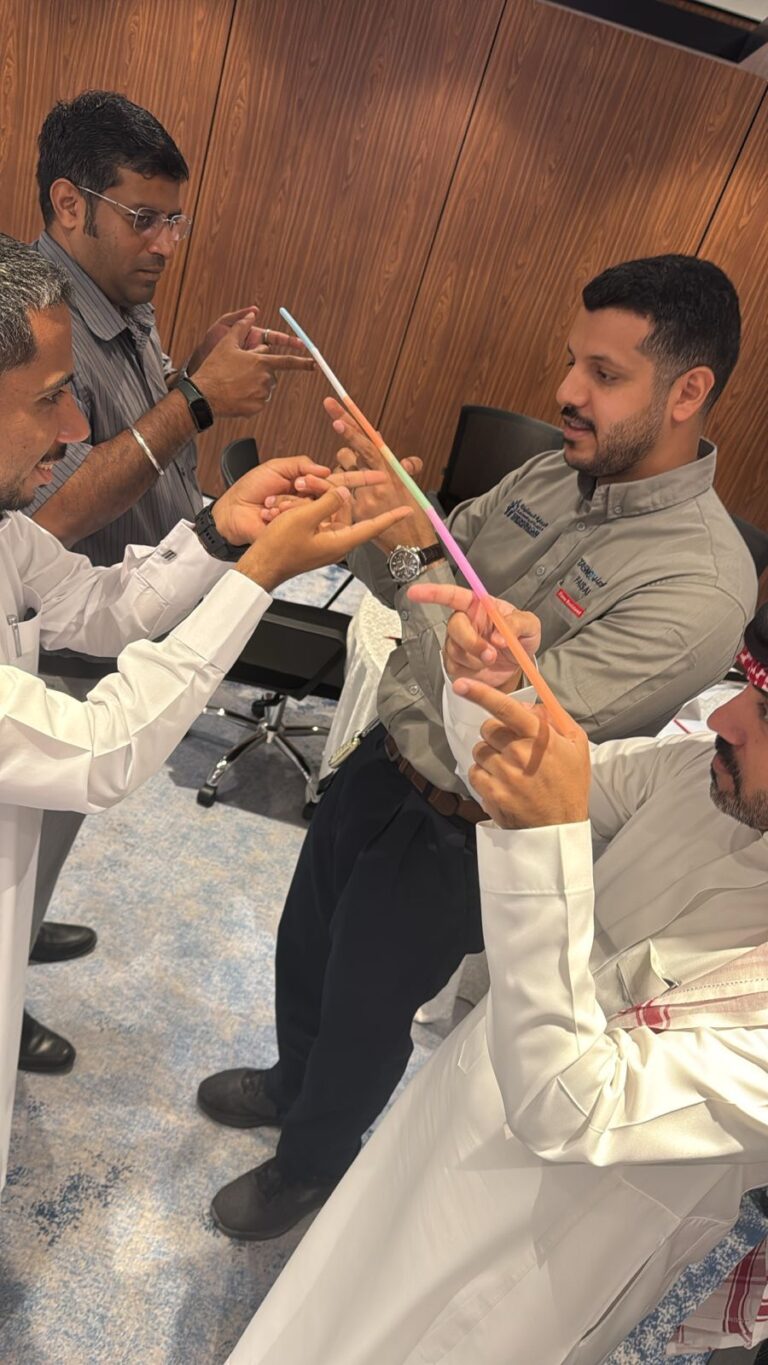
- Practical exercises
- Case studies
- Real workplace scenarios
- Leadership simulations
- Coaching and feedback
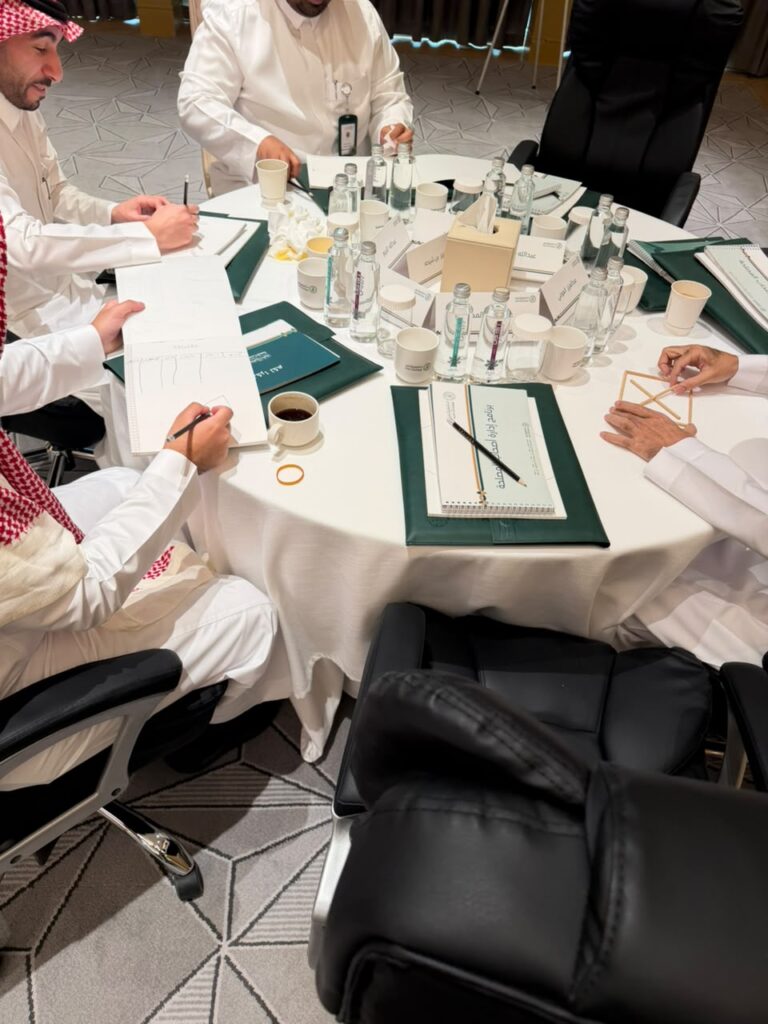
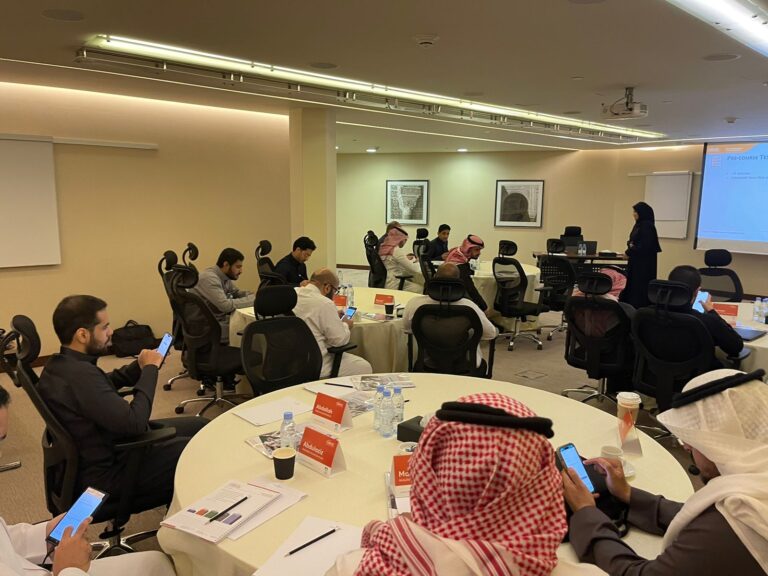
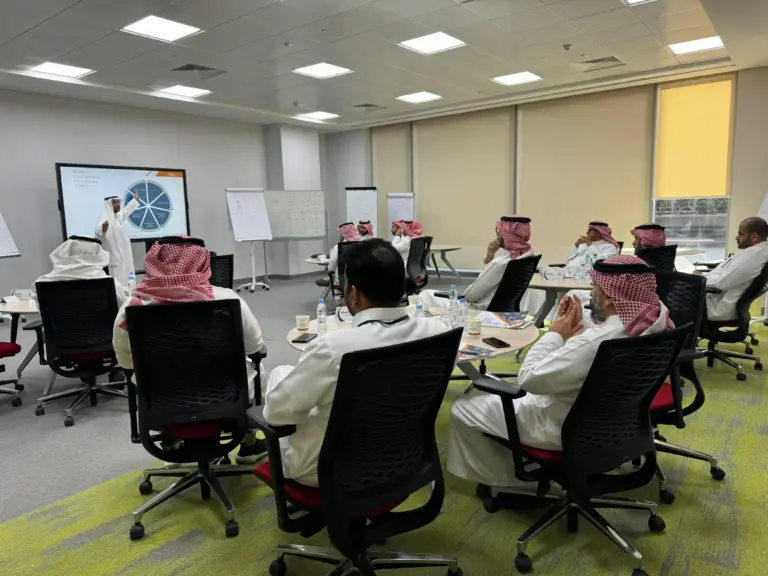
At GBNTC, leadership development programs are designed to support organizations in building stronger leadership capabilities through customized learning solutions aligned with organizational needs. GBNTC’s approach emphasizes customized training, practical application, and development experiences that help participants strengthen their skills and apply learning in real workplace environments.
Developing Future Leaders Through Continuous Learning
Leadership development is not a one-time activity. It is an ongoing process that requires continuous learning, feedback, and improvement.
Organizations can support future leaders by providing:
- Mentorship opportunities
- Coaching programs
- Stretch assignments
- Knowledge-sharing environments
- Continuous capability development
A culture of continuous learning helps future leaders remain adaptable and prepared for evolving business requirements.
Future Leaders and Organizational Sustainability
Developing future leaders contributes directly to organizational sustainability by creating a strong internal talent pipeline.
Organizations with effective leadership development strategies are better positioned to:
- Maintain leadership continuity
- Reduce dependency on external hiring
- Improve employee engagement
- Strengthen organizational resilience
- Prepare for future growth
Leadership development is not only about preparing individuals for higher positions, it is about building the capabilities required for the organization’s future success.
Building Tomorrow’s Leaders Today
The future success of organizations depends on their ability to develop leaders who can manage complexity, inspire people, and drive meaningful change.
By investing in future leadership development, organizations can create a stronger workforce, improve readiness for future challenges, and build a sustainable leadership pipeline.
Developing future leaders today is an investment in the future of the organization.
At GBNTC, we help organizations design customized learning and development solutions that strengthen leadership capabilities and prepare professionals for future success.
Contact us now!