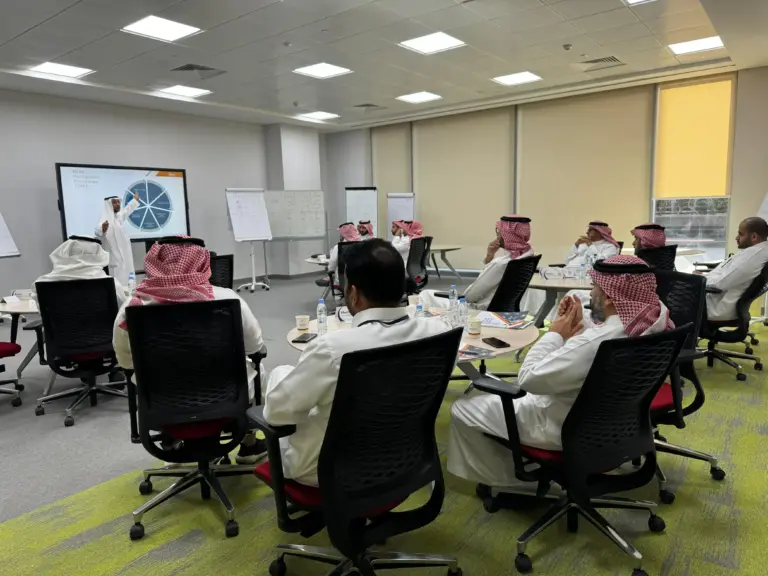

Building Future Leaders Through the Qiyadat Al-Mostaqbal Academy
Preparing the next generation of leaders requires more than individual training courses. Organizations need a structured development approach that combines leadership knowledge, practical application, and ongoing evaluation to help high-potential employees progress toward greater leadership responsibilities.
This is where the Qiyadat Al-Mostaqbal Academy (Future Leaders Academy) concept becomes valuable. A structured leadership academy provides an integrated learning journey that connects organizational priorities with employees’ professional development.
By adopting this approach, organizations can move beyond isolated training initiatives and establish a more sustainable investment in leadership capability.
What Is the Qiyadat Al-Mostaqbal Academy?
The Qiyadat Al-Mostaqbal Academy represents a structured leadership development approach designed to prepare high-potential professionals for future leadership responsibilities through organized learning pathways.
An effective leadership academy connects development activities with actual organizational needs rather than relying exclusively on generic leadership training.
A comprehensive leadership development journey may include:
- Assessing existing leadership capabilities.
- Identifying skills required for future leadership roles.
- Designing development pathways for different leadership levels.
- Applying leadership concepts to practical workplace challenges.
- Evaluating participant progress and identifying improvement opportunities.
How Can a Future Leaders Academy Prepare Emerging Leaders?
1. Identifying Leadership Needs and Capabilities
Preparing future leaders begins with understanding the competencies and behaviors an organization requires to achieve its long-term objectives.
Assessing existing capabilities helps identify gaps between current employee skills and the expectations of future leadership positions.
These insights can guide the development of learning experiences that address organizational priorities.
2. Designing Progressive Leadership Development Pathways
Employees preparing for their first supervisory responsibilities have different development needs from managers preparing to lead larger teams or departments.
A leadership academy approach allows organizations to structure learning pathways around different career stages and leadership responsibilities.
Key development areas may include:
- Team leadership and delegation.
- Problem-solving and decision-making.
- Strategic thinking and planning.
- Performance management and employee development.
- Managing organizational challenges.
- Communication and influence.
3. Connecting Learning With Practical Application
Leadership training becomes more valuable when participants can apply new knowledge to situations that reflect their actual working environments.
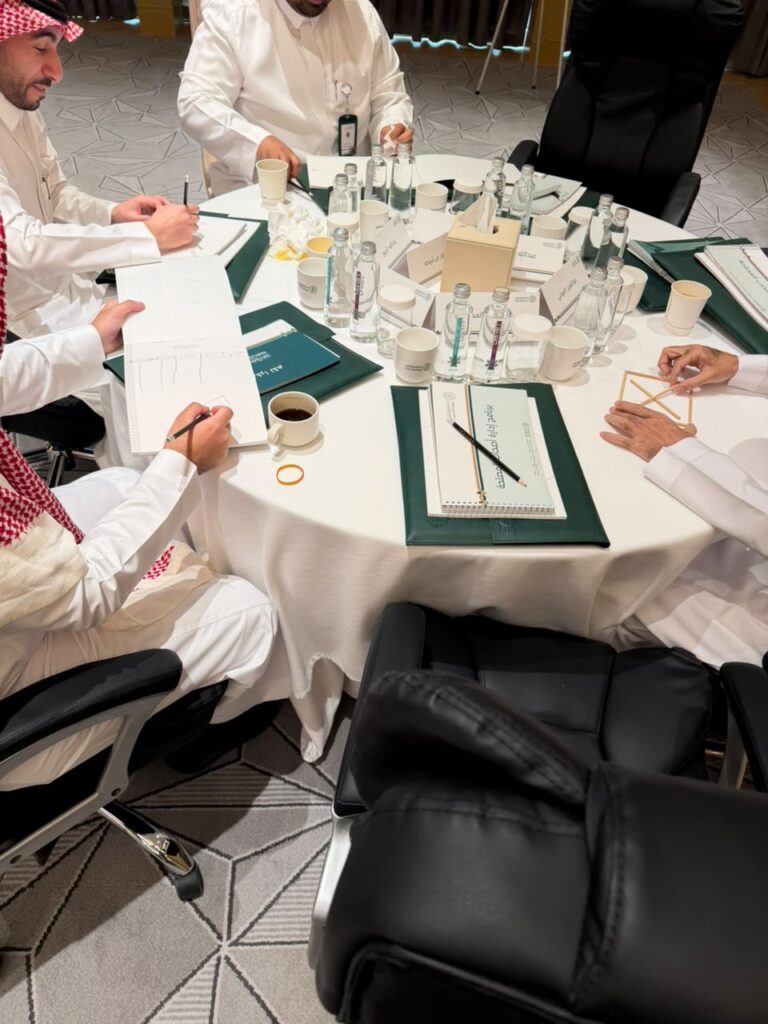
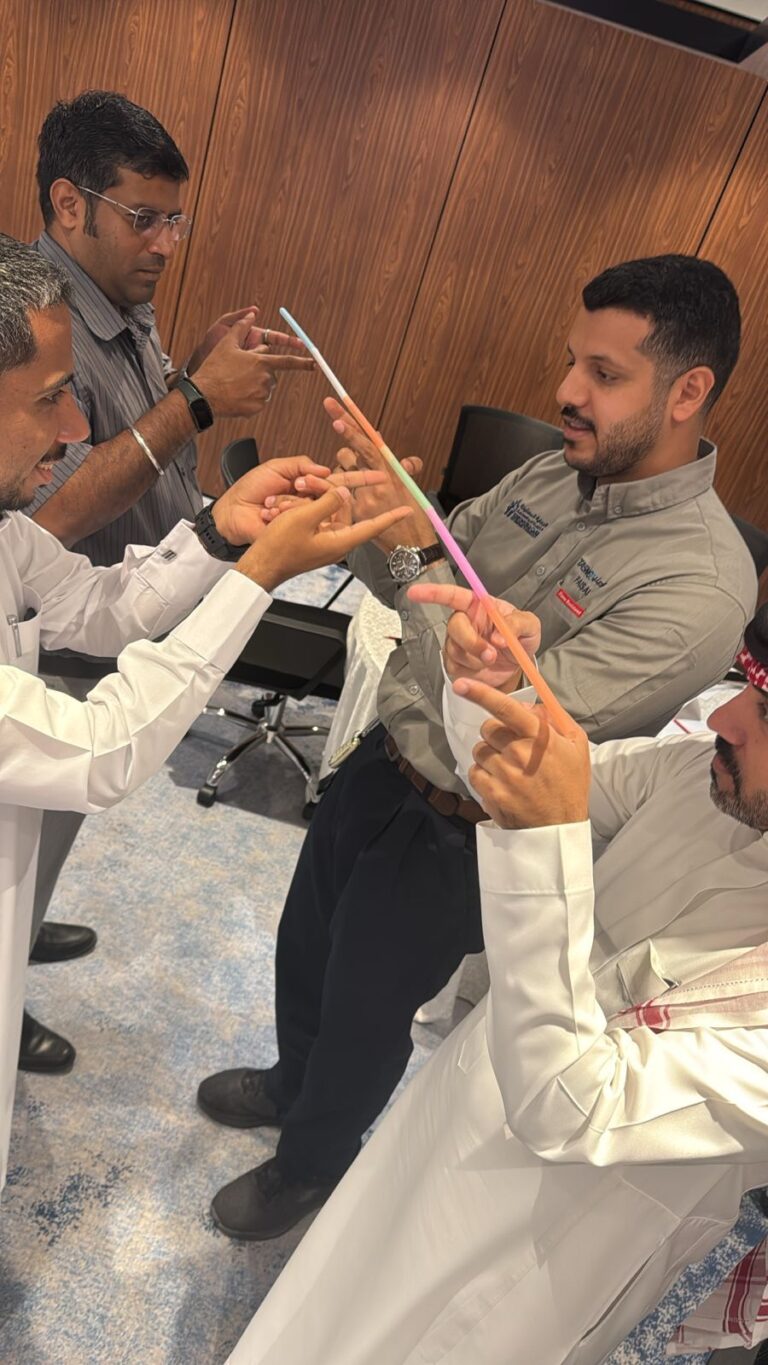
Leadership academies can incorporate experiential learning methods such as case studies, leadership simulations, practical projects, and discussions of real organizational challenges.
These activities help participants understand the consequences of leadership decisions, build confidence, and prepare for increased responsibilities.
4. Evaluating Leadership Development Outcomes
The success of leadership development should not be measured solely by training attendance or course completion.
Organizations can evaluate progress by examining how participants apply newly developed capabilities in their daily responsibilities.
Evaluation methods may include:
- Assessing progress in targeted leadership competencies.
- Observing changes in leadership behaviors.
- Monitoring workplace application of new skills.
- Collecting feedback from participants and managers.
- Identifying priorities for the next development stage.
Ongoing evaluation helps organizations improve learning pathways and connect development activities with business outcomes.
Leadership Academies vs. Traditional Leadership Training
Individual leadership training programs typically focus on developing a specific skill or addressing a defined learning need within a limited period.
Leadership academies offer a broader framework through which organizations can connect multiple learning activities and development stages into a coordinated journey.
These approaches are not mutually exclusive. Organizations can combine specialized training programs with longer-term leadership development pathways according to their needs.
The primary advantage of the academy model is its ability to create a clearer development journey, from identifying required capabilities to supporting their practical application.
Supporting Succession Planning Through Leadership Academies
Organizations need to prepare for changes in leadership positions resulting from business expansion, career transitions, or organizational restructuring.
Structured leadership academies can support succession planning by helping organizations develop a pool of employees with the potential to assume greater responsibilities.
They can also provide clearer professional development opportunities and connect employee growth with future workforce requirements.
How GBNTC Supports Future Leadership Development
At GBNTC, we believe effective leadership development begins with understanding each organization’s objectives and capability requirements.
Through tailored learning and development solutions and a focus on practical training approaches, we help organizations strengthen leadership capabilities and improve workforce readiness.
Our approach connects learning with real workplace challenges, supporting professionals as they prepare for current and future leadership responsibilities.
Build a Leadership Development Pathway for Your Organization
Preparing future leaders requires a clear development direction and learning pathways aligned with organizational priorities and future responsibilities.
Contact GBNTC to explore tailored leadership learning and development solutions