
Building Future Leaders Through the Qiyadat Al-Mostaqbal Academy
Organizations are preparing for a future shaped by rapid transformation, evolving workforce expectations, and increasingly complex business environments. As these changes continue, developing capable leaders is becoming essential for maintaining organizational performance and preparing for long-term growth.
Future leaders need more than technical expertise. They must be able to lead people, communicate effectively, make informed decisions, respond to change, and connect organizational priorities with team performance.
This is where structured leadership development can play an important role.
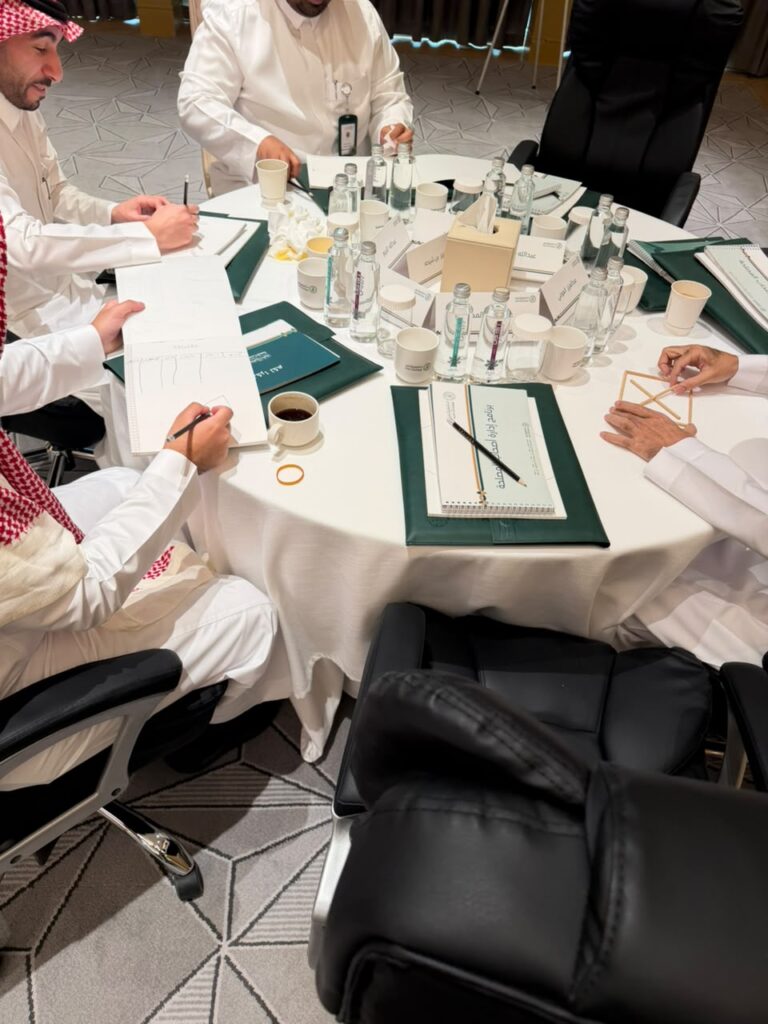
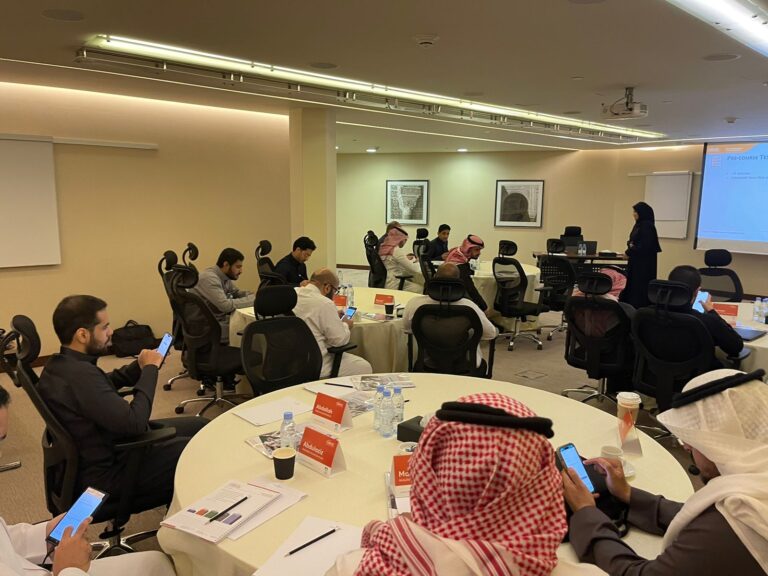
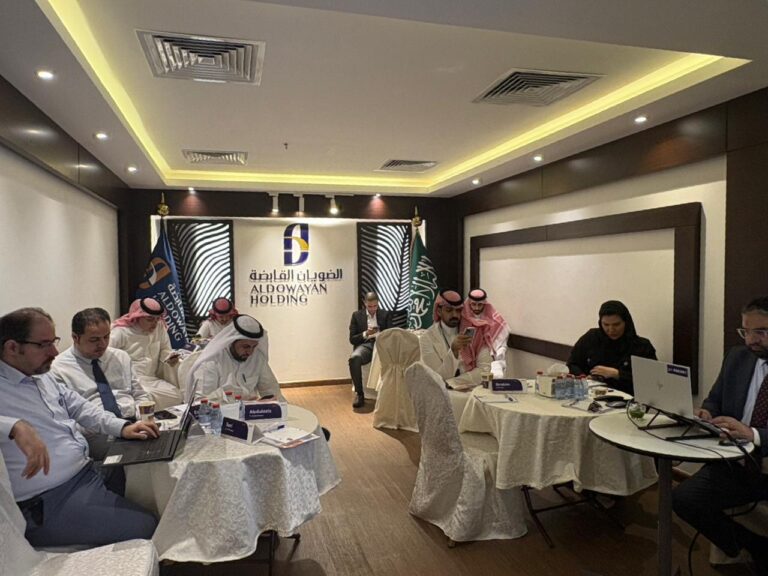
The Qiyadat Al-Mostaqbal Academy reflects this focus on preparing leadership capabilities for the future, creating a development journey that supports the growth of professionals as they prepare for greater leadership responsibilities.
Why Organizations Need a Strong Future Leadership Pipeline
Leadership transitions can create significant challenges when organizations do not have qualified talent prepared to assume greater responsibilities.
Building a future leadership pipeline enables organizations to take a more proactive approach to leadership continuity.
Instead of waiting until a leadership position becomes vacant, organizations can continuously identify, assess, and develop employees who demonstrate the potential to progress.
A strong leadership pipeline can support organizations in:
- Preparing talent for future responsibilities
- Strengthening leadership continuity
- Supporting succession planning
- Developing critical leadership competencies
- Building stronger internal capabilities
- Preparing the workforce for organizational change
This makes leadership development part of a broader organizational strategy rather than an isolated training activity.
What Capabilities Do Future Leaders Need?
Preparing professionals for leadership requires developing capabilities that enable them to perform effectively across different situations.
Strategic Thinking
Future leaders need to understand how their decisions contribute to broader organizational objectives.
Strategic thinking helps leaders evaluate priorities, consider long-term implications, and make decisions that support organizational direction.
Effective Communication
Leadership requires the ability to communicate expectations, ideas, challenges, and objectives clearly.
Strong communication also enables leaders to build trust, encourage collaboration, and create alignment across teams.
Decision-Making and Problem-Solving
Leaders regularly face situations where information may be incomplete and priorities may compete.
Developing structured decision-making and problem-solving capabilities helps future leaders assess situations, consider alternatives, and take appropriate action.
Leading Teams
Leadership is not simply about individual performance.
Future leaders must understand how to engage people, delegate responsibilities, provide feedback, manage different perspectives, and create an environment that enables teams to perform effectively.
Adaptability and Change
Organizations continue to evolve, making adaptability increasingly important.
Future leaders need to understand how to respond to changing circumstances while helping their teams remain focused and productive.
Building Leadership Through Practical Learning
Leadership cannot be developed through theoretical knowledge alone.
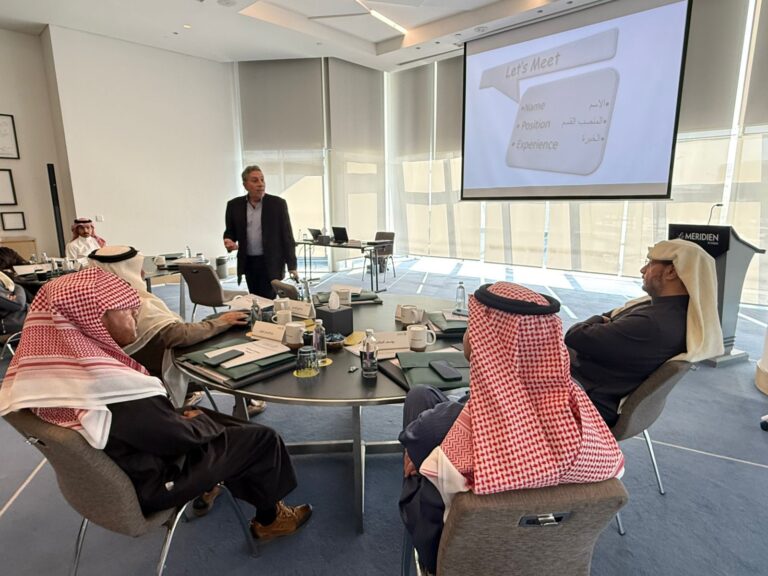
Professionals need opportunities to apply what they learn, evaluate different situations, receive feedback, and connect leadership concepts with real workplace challenges.
Practical leadership development can incorporate approaches such as:
- Case studies
- Simulations
- Role-playing
- Group discussions
- Practical exercises
- Coaching
- Mentoring
- Workplace-based application
This type of learning helps participants move beyond understanding leadership concepts toward applying them in realistic situations.
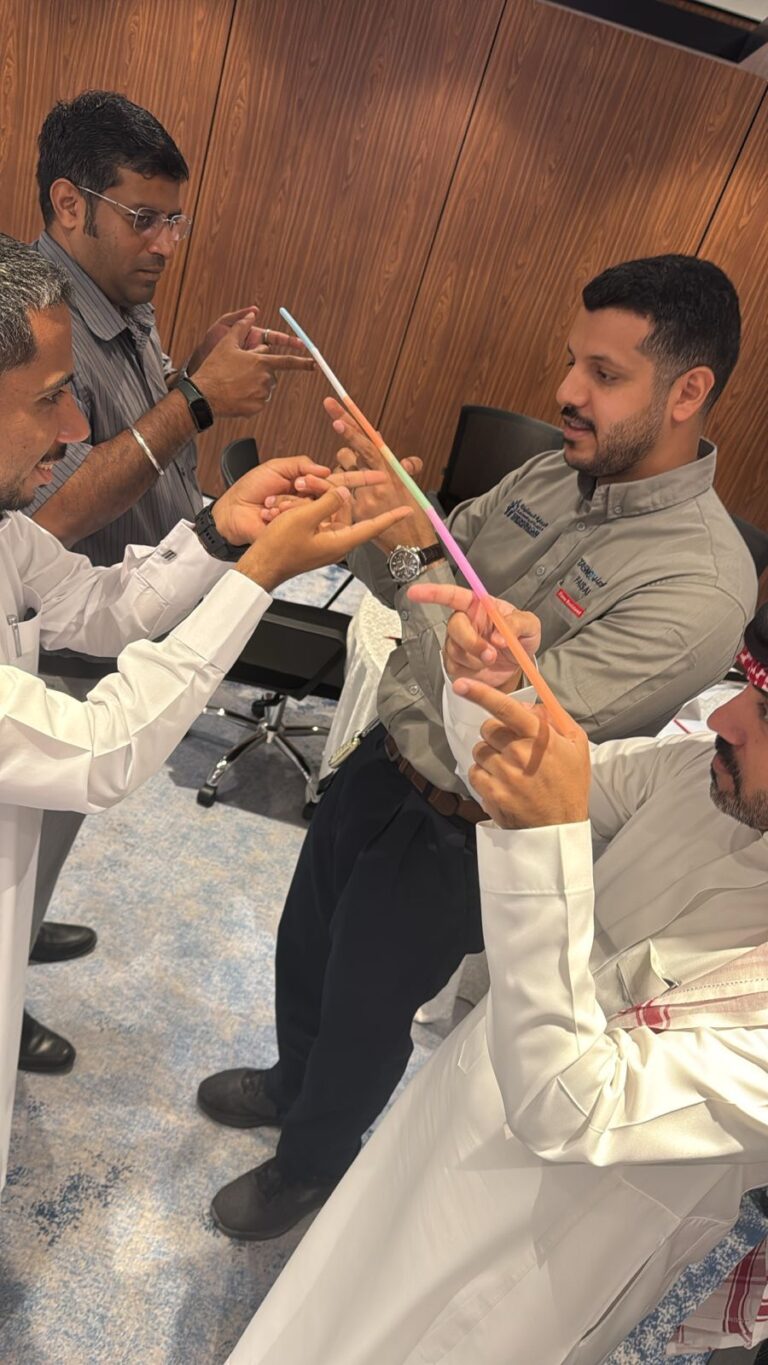
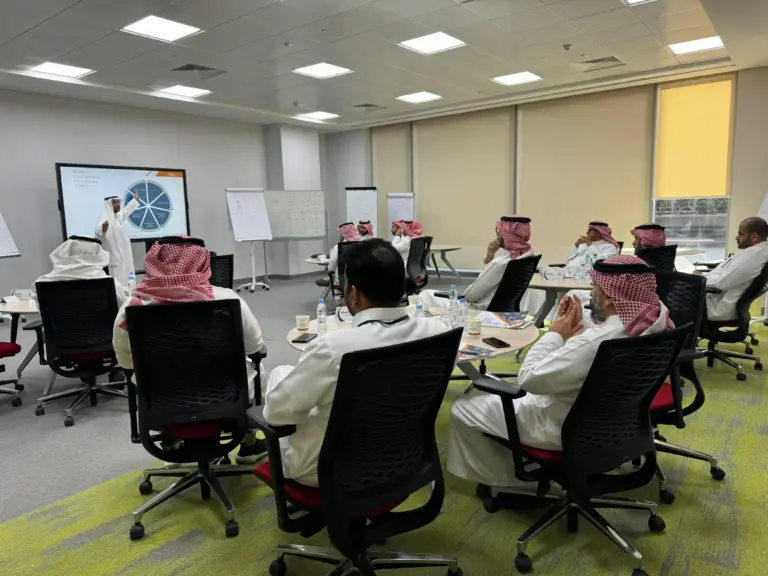
GBNTC’s learning philosophy emphasizes experiential and hands-on development through simulations, case studies, role-plays, interactive exercises, coaching, and mentoring. The approach also focuses on practical application and aligning learning with organizational objectives.
Connecting Leadership Development to Organizational Needs
Leadership development becomes more valuable when it reflects the actual environment in which leaders operate.
Different organizations face different strategic priorities, workforce structures, cultures, and capability gaps. For this reason, leadership development should not rely entirely on a one-size-fits-all model.
The development process should consider:
- Organizational objectives
- Current and future competency requirements
- Existing capability gaps
- Leadership responsibilities
- Workplace challenges
- Organizational culture
This allows leadership development to become more relevant to both the participant and the organization.
GBNTC’s customization approach begins with understanding each organization’s business environment, strategic priorities, and organizational culture before developing tailored programs and contextualized learning experiences.
The Role of Competencies in Preparing Future Leaders
A clear competency framework can help organizations define what effective leadership should look like.
Leadership competencies establish the behaviors, skills, and capabilities expected at different levels of responsibility.
They can also provide a foundation for:
- Talent assessment
- Individual development plans
- Succession planning
- Leadership training
- Performance development
Developing leadership competencies based on organizational requirements creates a stronger connection between leadership development and the future needs of the organization.
From Leadership Potential to Leadership Readiness
Identifying high-potential employees is only the beginning.
Potential needs to be transformed into readiness through structured development.
Organizations can support this transition by assessing current capabilities, identifying development areas, providing targeted learning opportunities, and reinforcing learning through coaching, mentoring, and practical experience.
The objective is not simply to prepare employees for a new job title. It is to help them develop the capabilities required to perform effectively when greater responsibilities arise.
Creating Sustainable Leadership Development
Future leadership development should be viewed as a continuous process.
As organizational priorities change, leadership capabilities must continue to evolve. This requires organizations to review development needs, assess progress, and adapt learning interventions accordingly.
A sustainable development journey can connect:
Assessment → Development → Application → Feedback → Continuous Improvement
Through this approach, leadership development becomes an ongoing part of organizational capability building rather than a one-time training activity.
Building future leaders requires more than identifying talented employees. Organizations need a structured approach that develops leadership capabilities, creates opportunities for practical application, and connects individual development with organizational priorities.
The Qiyadat Al-Mostaqbal Academy provides a focused approach to developing future leadership capabilities and preparing professionals to take on greater responsibilities and navigate evolving organizational challenges.
Ready to build the next generation of leaders in your organization?
Contact GBNTC today to discover how Qiyadat Al-Mostaqbal Academy can support your organization’s leadership development goals.
Contact Us