
Leading Others Effectively: Strengthening Leadership Capabilities
Effective leadership is not only about setting direction or making decisions. It is also about the ability to lead people, build trust, communicate expectations, develop capabilities, and create an environment where individuals and teams can perform effectively.
As organizations navigate changing business priorities, evolving workforce expectations, and increasingly collaborative work environments, the ability to lead others effectively has become an essential organizational capability.
Strengthening leadership capabilities helps managers and leaders move beyond managing tasks toward enabling people, improving team performance, and aligning individual contributions with organizational objectives.
What Does It Mean to Lead Others Effectively?
Leading others effectively means creating the conditions that enable people to understand their responsibilities, contribute their strengths, and work toward shared objectives.
Effective leaders recognize that different individuals and situations require different approaches. They understand when to provide direction, when to delegate, when to coach, and when to create space for employees to take greater ownership.
This requires leaders to combine several capabilities, including:
Clear communication
Active listening
Delegation
Coaching and feedback
Emotional intelligence
Conflict management
Decision-making
Team motivation
Performance management
Developing these capabilities helps leaders strengthen relationships with their teams while maintaining focus on performance and organizational priorities.
Why Strong People Leadership Matters
Employees interact with leadership through everyday experiences: how expectations are communicated, how feedback is delivered, how decisions are explained, and how challenges are managed.
These interactions can directly influence the way teams collaborate and perform.
Strong people leadership can help organizations:
Create greater clarity around responsibilities
Strengthen communication within teams
Improve collaboration
Encourage accountability
Support employee development
Manage workplace challenges more effectively
Align team efforts with organizational goals
For this reason, developing the ability to lead others should be viewed as an important part of building organizational capability.
Communication as a Core Leadership Capability
Communication is one of the foundations of effective leadership.
Leaders need to communicate goals and expectations clearly while also creating opportunities for employees to share ideas, questions, and concerns.
Effective leadership communication is not simply about delivering information. It involves listening, understanding different perspectives, providing context, and adapting communication to the situation and audience.
Leaders who communicate effectively can create greater alignment within their teams and reduce misunderstandings that may affect performance.
Building Trust and Accountability Within Teams
Trust plays an important role in how teams work together.
Employees are more likely to communicate openly, take responsibility, and contribute ideas when leadership creates an environment based on clarity, consistency, and mutual respect.
At the same time, effective leadership requires accountability.
Leaders need to establish clear expectations, define responsibilities, monitor progress, and address performance challenges when necessary.
Trust and accountability should work together. When employees understand what is expected of them and feel supported in achieving those expectations, teams can operate with greater confidence and responsibility.
Developing Employees Through Coaching and Feedback
Leading others is not only about managing current performance. It also involves helping employees develop their capabilities.
Coaching enables leaders to support employees in identifying challenges, exploring solutions, and strengthening their ability to perform independently.
Feedback also plays an important role in development. Effective feedback should be timely, specific, constructive, and connected to clear expectations.
Through regular coaching and feedback, leaders can help employees recognize strengths, address development areas, and take greater ownership of their professional growth.
GBNTC’s leadership and development approach includes coaching, mentoring, leadership development, team dynamics, and career development as part of its broader capability-building solutions.
Delegating Effectively and Empowering Others
Effective delegation is more than assigning tasks.
It requires leaders to identify the right responsibilities to delegate, communicate the expected outcomes, provide appropriate resources, and establish the level of authority employees need to complete their responsibilities.
When delegation is managed effectively, it can support both performance and development.
It gives employees opportunities to build experience, strengthen decision-making skills, and take greater responsibility while allowing leaders to focus on higher-level priorities.
Empowerment does not mean removing leadership oversight. It means creating the right balance between guidance, autonomy, and accountability.
Managing Different People and Working Styles
Teams consist of individuals with different experiences, communication preferences, strengths, motivations, and approaches to work.
Effective leaders need to understand these differences and adapt their leadership approach accordingly.
Some employees may require more guidance when taking on new responsibilities, while others may perform better with greater autonomy. Some situations may require direct leadership, while others benefit from collaboration and consultation.
Developing leadership flexibility enables managers to respond more effectively to the needs of both individuals and teams.
Handling Conflict Constructively
Differences in priorities, perspectives, and working styles can create conflict within teams.
Conflict itself is not always negative. When managed constructively, different perspectives can contribute to stronger discussions and better decisions.
However, unresolved conflict can affect communication, collaboration, and team performance.
Leaders need the ability to identify the source of conflict, listen to different perspectives, facilitate constructive conversations, and guide teams toward appropriate solutions.
Developing conflict-management capabilities can help leaders maintain productive working relationships while addressing challenges before they become more difficult to resolve.
Connecting Individual Performance to Organizational Goals
Effective leaders help employees understand how their work contributes to broader organizational objectives.
When employees can see the connection between their responsibilities and the organization’s priorities, they can make better decisions about where to focus their efforts.
Leaders can strengthen this connection by:
Clarifying team objectives
Setting clear performance expectations
Explaining organizational priorities
Monitoring progress
Providing regular feedback
Recognizing contributions
Addressing performance gaps
This helps transform organizational goals into clear priorities for teams and individuals.
Strengthening Leadership Through Practical Development
Leadership capabilities develop through practice, reflection, feedback, and continuous learning.
While theoretical knowledge provides an important foundation, leaders also need opportunities to apply leadership concepts to realistic workplace situations.
Practical leadership development can include:
Leadership simulations
Workplace scenarios
Case studies
Role-playing exercises
Group discussions
Coaching
Feedback sessions
Action-based learning
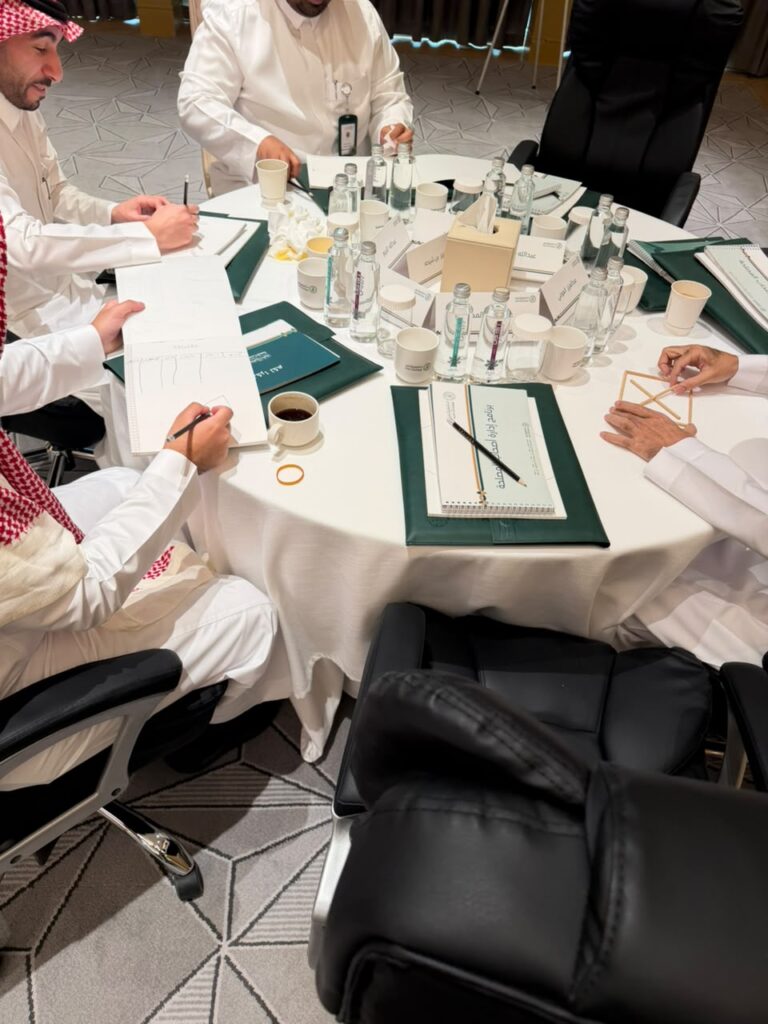
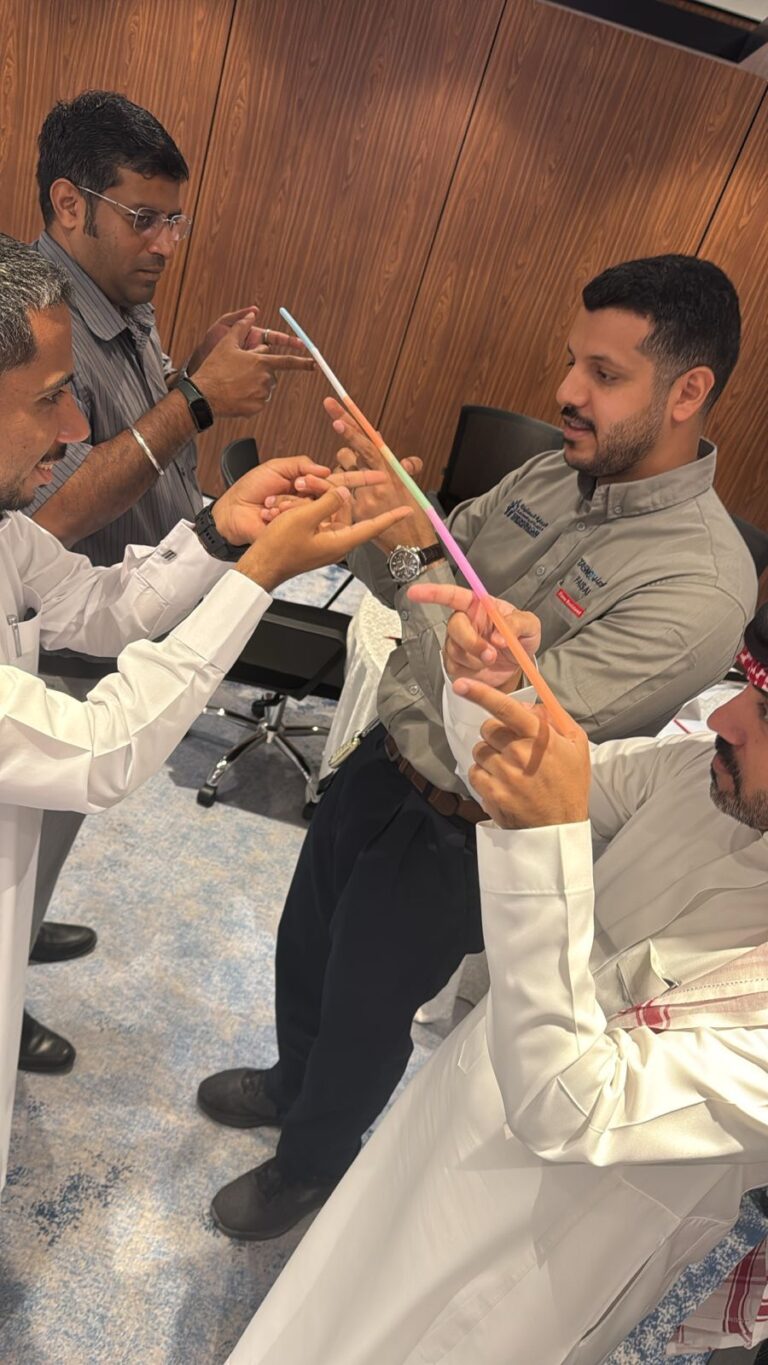
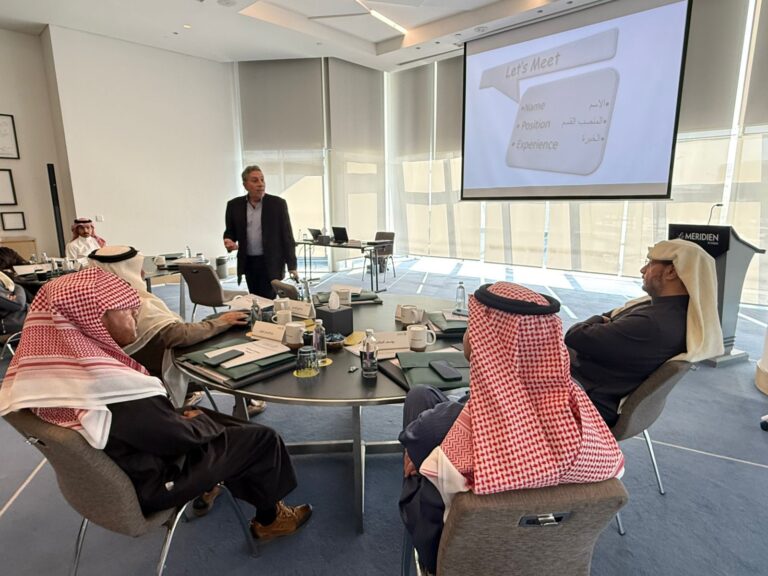
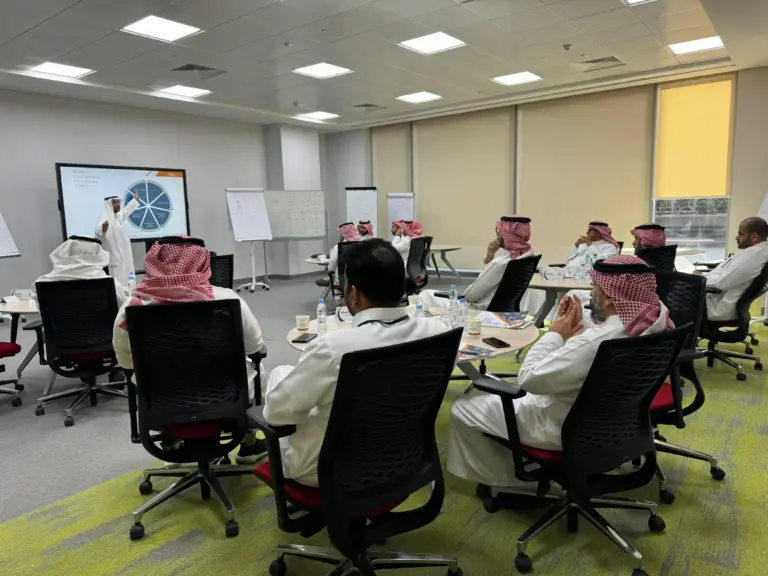
GBNTC emphasizes experiential and practical learning approaches, including case studies, simulations, role-plays, interactive exercises, coaching, and mentoring. Its programs can also be customized according to an organization’s objectives, challenges, and development needs.
This approach helps participants connect leadership concepts with situations they may encounter in their everyday roles.
Building Leadership Capabilities Across the Organization
Leadership development should not begin only when someone reaches a senior position.
Organizations can build stronger leadership pipelines by developing capabilities across different career levels and preparing employees for increasing levels of responsibility.
This may involve identifying leadership competency requirements, assessing development needs, creating targeted learning experiences, and providing continuous opportunities for practical application.
By taking a structured approach to leadership development, organizations can strengthen both individual leadership performance and their overall organizational capabilities.
Leading others effectively requires the ability to communicate, build trust, develop people, delegate responsibilities, manage different perspectives, and maintain accountability for performance.
When these capabilities are developed systematically, leaders are better equipped to create productive teams and connect individual performance with organizational priorities.
Want to strengthen the leadership capabilities of your managers and teams?
Contact GBNTC today to discover customized leadership development solutions designed around your organization’s goals, challenges, and workforce development needs.