
Effective Stakeholder Management: Building Stronger Organizational Relationships
Organizations operate through relationships. Employees, leadership teams, clients, partners, suppliers, regulators, and other stakeholders can all influence an organization’s ability to achieve its objectives.
As organizations become more interconnected and projects involve a wider range of internal and external parties, the ability to manage stakeholders effectively has become an important leadership and management capability.
Effective stakeholder management helps organizations understand different expectations, establish clear communication, build trust, manage competing priorities, and create stronger relationships that support organizational goals.
What Is Stakeholder Management?
Stakeholder management is the process of identifying the individuals and groups that can influence or are affected by an organization, project, initiative, or decision and managing relationships with them effectively.
Different stakeholders may have different priorities, expectations, levels of influence, and information needs.
Effective stakeholder management therefore requires more than regular communication. It involves understanding who the stakeholders are, what matters to them, how they can influence outcomes, and how the organization should engage with them.
A structured approach can help organizations:
- Identify key stakeholders
- Understand stakeholder expectations
- Prioritize engagement efforts
- Establish appropriate communication
- Manage different interests and priorities
- Build trust and stronger working relationships
- Support successful organizational outcomes
Why Is Effective Stakeholder Management Important?
Many organizational initiatives depend on the support and cooperation of multiple stakeholders.
When expectations are unclear or communication is inconsistent, organizations may experience misunderstandings, delays, resistance, conflicting priorities, or weakened relationships.
Effective stakeholder management helps create greater clarity and alignment.
It enables leaders and teams to understand stakeholder needs while ensuring that engagement remains connected to organizational objectives.
Strong stakeholder relationships can also make it easier to address challenges, coordinate decisions, and maintain collaboration when priorities or circumstances change.
Identifying and Understanding Key Stakeholders
The first step in effective stakeholder management is identifying who needs to be considered.
Stakeholders can exist both inside and outside the organization.
Internal stakeholders may include:
- Senior leadership
- Managers
- Employees
- Project teams
- Other departments and business units
External stakeholders may include:
- Clients and customers
- Business partners
- Suppliers
- Regulators
- Professional organizations
- Other relevant external parties
Identifying stakeholders is only the beginning. Organizations also need to understand their interests, expectations, concerns, and potential influence.
This provides the foundation for determining how each stakeholder should be engaged.
Prioritizing Stakeholders Based on Influence and Interest
Not every stakeholder requires the same level or type of engagement.
Some stakeholders may have significant influence over a project or organizational decision, while others may be highly interested but have limited decision-making authority.
Assessing stakeholders according to factors such as influence, interest, expectations, and impact can help leaders determine where to focus their engagement efforts.
This allows organizations to develop a more structured approach instead of communicating with every stakeholder in the same way.
Depending on their role and level of influence, stakeholders may need:
- Regular and detailed engagement
- Periodic updates
- Consultation before key decisions
- Opportunities to provide feedback
- General information about progress and outcomes
The objective is to provide the right level of engagement for each stakeholder relationship.
Building Trust Through Clear Communication
Communication is one of the most important elements of stakeholder management.
Stakeholders need relevant information at the appropriate time and in a format that allows them to understand decisions, expectations, responsibilities, and progress.
Effective stakeholder communication should be:
- Clear
- Relevant
- Consistent
- Timely
- Appropriate for the audience
Communication should also work in both directions.
Leaders need to communicate organizational priorities while creating opportunities for stakeholders to raise concerns, ask questions, and provide feedback.
This two-way communication can help strengthen trust and identify potential issues before they become more difficult to manage.
Managing Different and Competing Expectations
Stakeholders do not always share the same priorities.
One group may focus on speed, another on quality, another on cost, while others may prioritize compliance, employee impact, customer outcomes, or long-term sustainability.
Effective stakeholder management does not mean agreeing to every expectation.
Instead, leaders need to understand different perspectives, clarify priorities, communicate limitations, and identify areas where alignment can be achieved.
This requires the ability to:
- Listen to different perspectives
- Identify areas of agreement and disagreement
- Clarify organizational priorities
- Explain decisions transparently
- Negotiate when necessary
- Manage expectations realistically
These capabilities can help organizations maintain productive relationships even when stakeholders have different objectives.
Stakeholder Management During Organizational Change
Stakeholder management becomes particularly important during periods of change.
Transformation initiatives, new systems, restructuring, new strategies, and changes to processes can affect different stakeholder groups in different ways.
Some stakeholders may actively support the change, while others may have questions, concerns, or resistance.
Leaders can strengthen stakeholder engagement during change by:
- Identifying who will be affected
- Understanding potential concerns
- Communicating the purpose of the change
- Clarifying expected outcomes
- Providing opportunities for feedback
- Addressing concerns appropriately
- Maintaining communication throughout implementation
Engaging stakeholders early can help organizations create greater understanding and support for change initiatives.
Managing Stakeholders Across Projects and Teams
Projects frequently involve people from different departments, functions, and external organizations.
Each stakeholder may have different responsibilities, expectations, and measures of success.
Effective stakeholder management helps project leaders create clarity around:
- Roles and responsibilities
- Project objectives
- Decision-making authority
- Communication channels
- Timelines and priorities
- Expected outcomes
This can reduce confusion and support stronger coordination throughout the project lifecycle.
The Leadership Capabilities Behind Strong Stakeholder Relationships
Stakeholder management depends on several broader leadership capabilities.
Leaders responsible for managing important relationships need to develop skills such as:
- Communication
- Active listening
- Emotional intelligence
- Negotiation
- Conflict management
- Influence
- Decision-making
- Relationship building
- Strategic thinking
These capabilities enable leaders to understand different perspectives while maintaining focus on organizational objectives.
Developing them can therefore strengthen both individual leadership effectiveness and the quality of relationships across the organization.
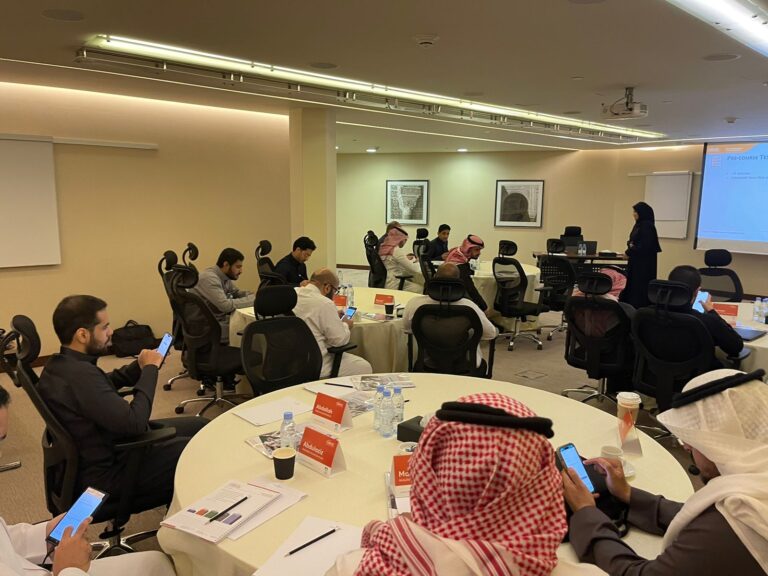
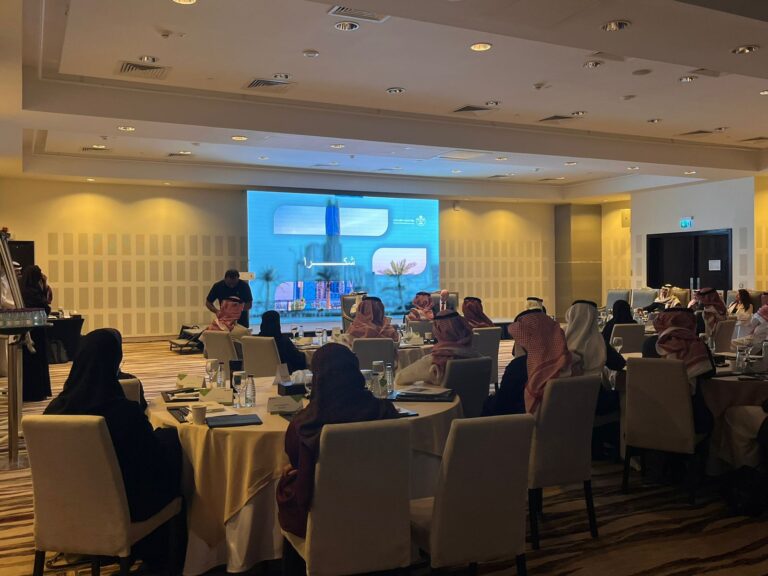
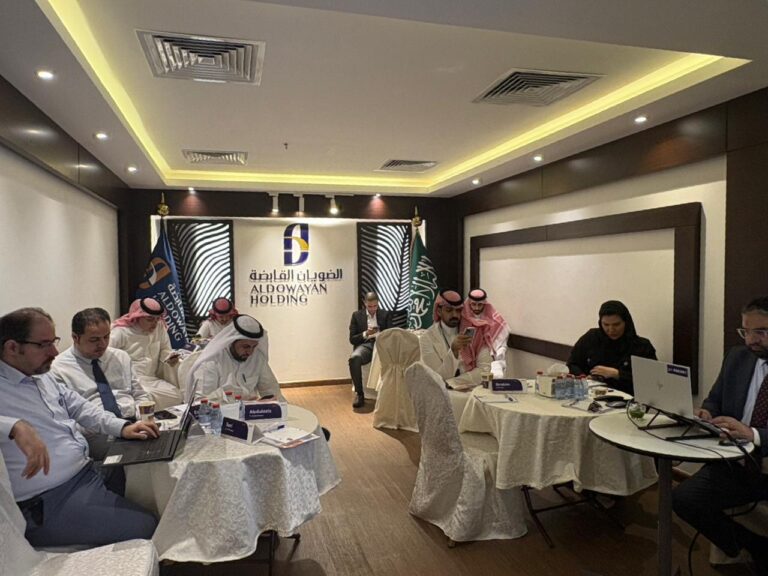
Developing Stakeholder Management Through Practical Learning
Stakeholder management is a practical capability that develops through application and experience.
Training becomes more relevant when participants can work with realistic scenarios that reflect the stakeholder challenges they may encounter in their roles.
Practical development can include:
- Stakeholder mapping exercises
- Case studies
- Communication scenarios
- Negotiation exercises
- Role-playing
- Conflict management scenarios
- Group discussions
- Workplace-based applications
These methods allow participants to evaluate different stakeholder situations, consider alternative approaches, and practice making decisions in realistic contexts.
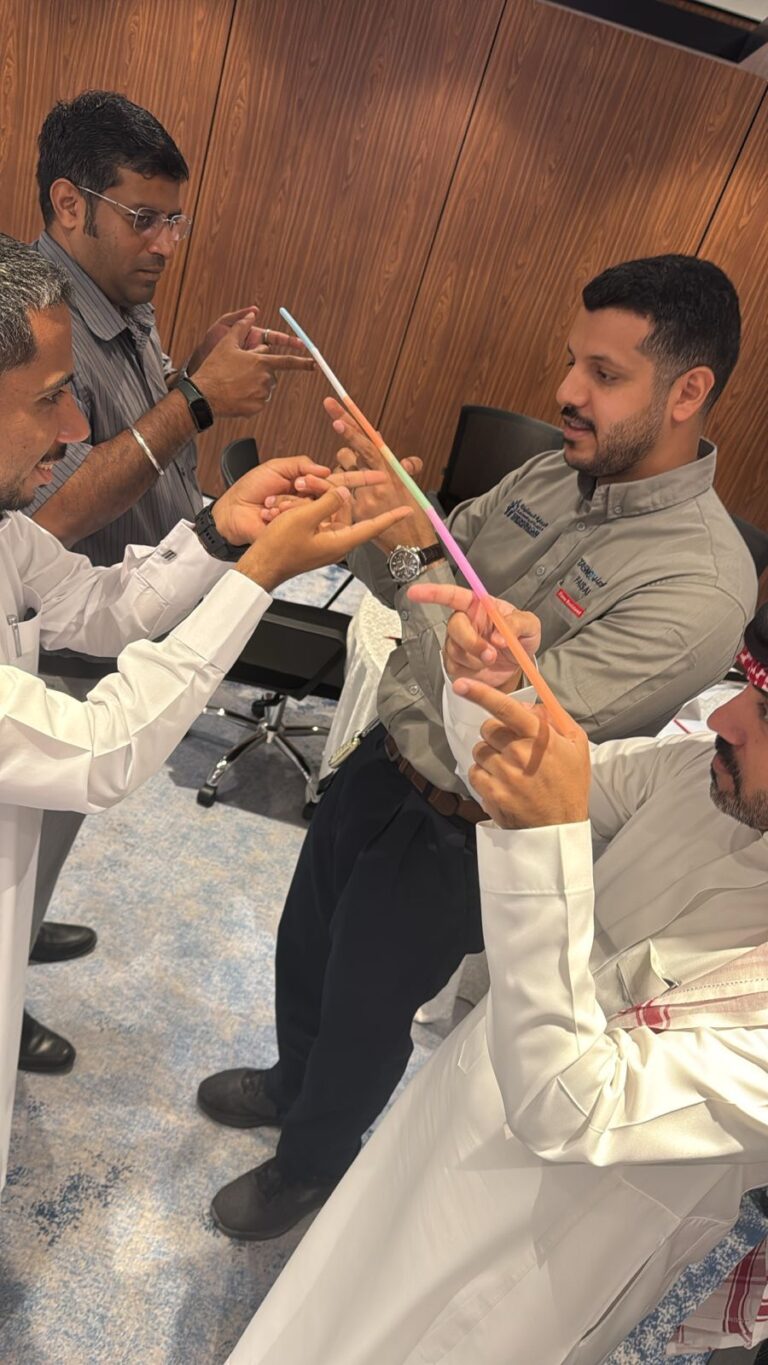
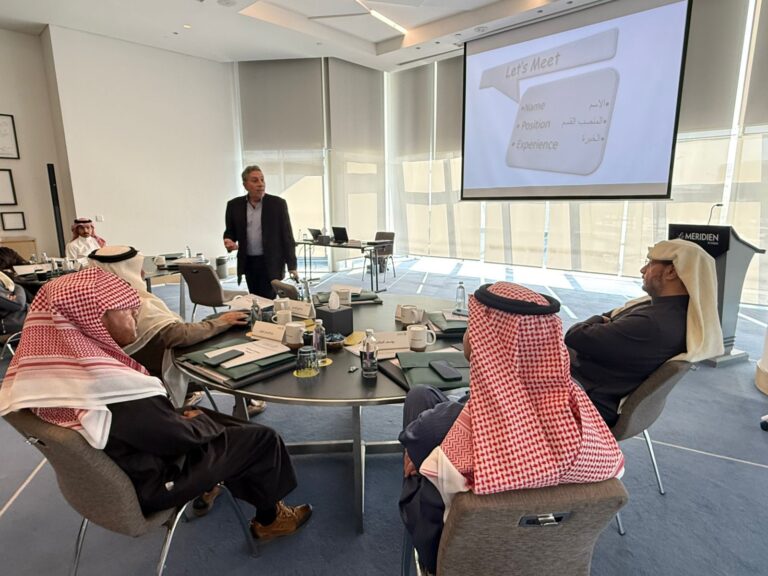
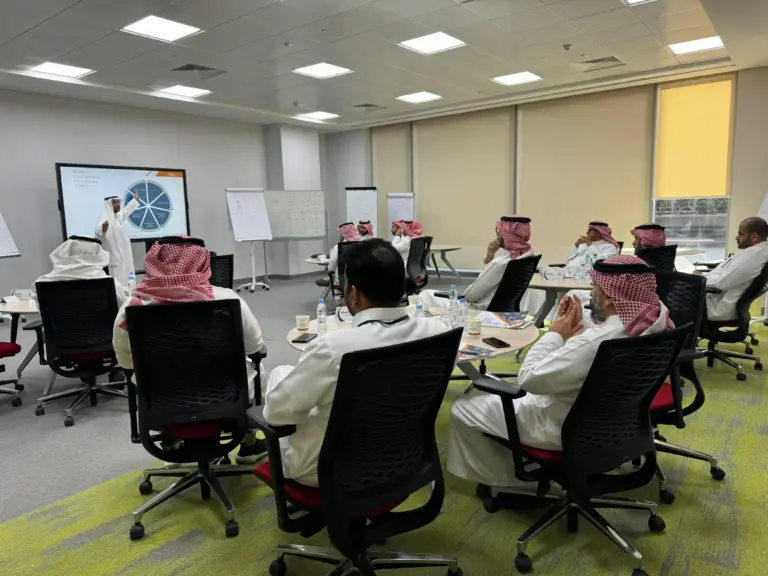
GBNTC’s practical and experiential approach to learning helps organizations connect capability development with real workplace challenges and organizational priorities.
Building a More Strategic Approach to Stakeholder Relationships
Stakeholder management should not be limited to responding to issues after they arise.
Organizations can take a more strategic approach by continuously understanding their stakeholder environment, maintaining communication, reviewing expectations, and strengthening important relationships over time.
A structured approach may include:
- Identifying and reviewing key stakeholders
- Assessing influence and interests
- Defining engagement priorities
- Developing communication approaches
- Monitoring stakeholder expectations
- Addressing emerging concerns
- Reviewing the effectiveness of engagement
This helps stakeholder management become an ongoing organizational capability rather than a reactive activity.
Strong organizational relationships are built through consistent communication, trust, understanding, and effective management of different expectations.
By strengthening stakeholder management capabilities, organizations can improve collaboration, navigate competing priorities, support change, and create stronger relationships with the people and groups that influence organizational success.
Ready to strengthen stakeholder management capabilities across your organization?
Contact GBNTC today to discover customized learning and development solutions that help your teams build stronger stakeholder relationships and support your organization’s strategic objectives.