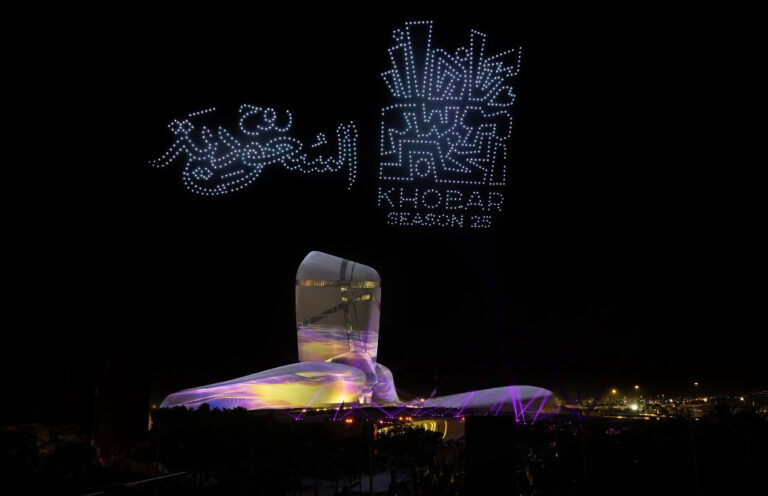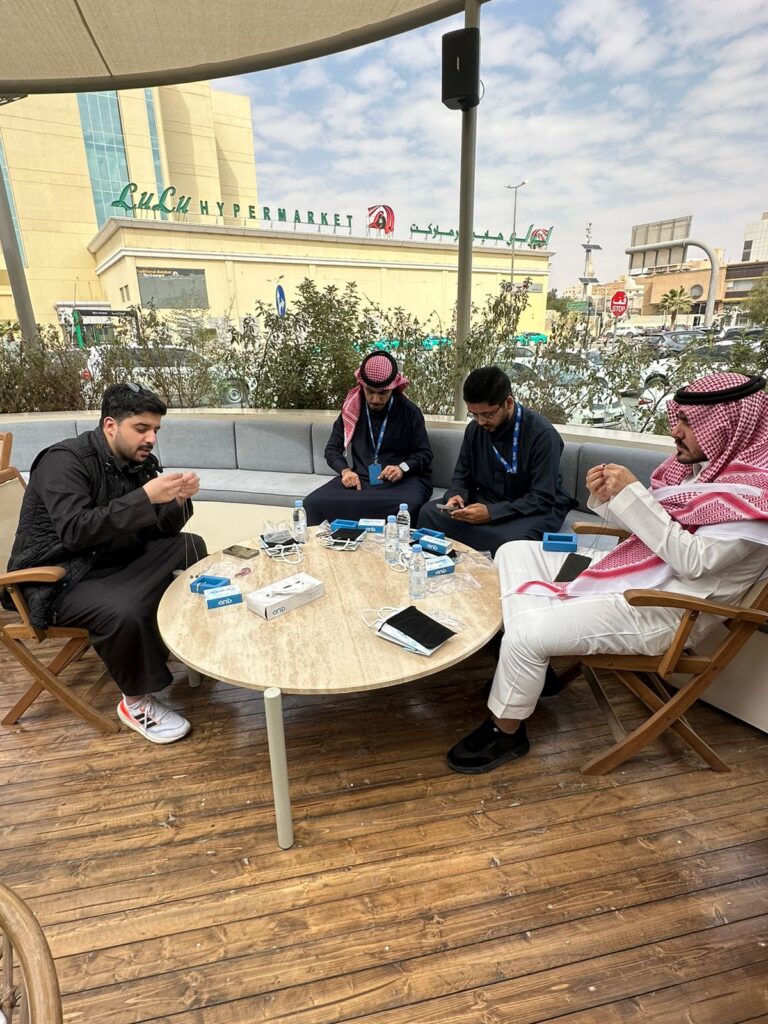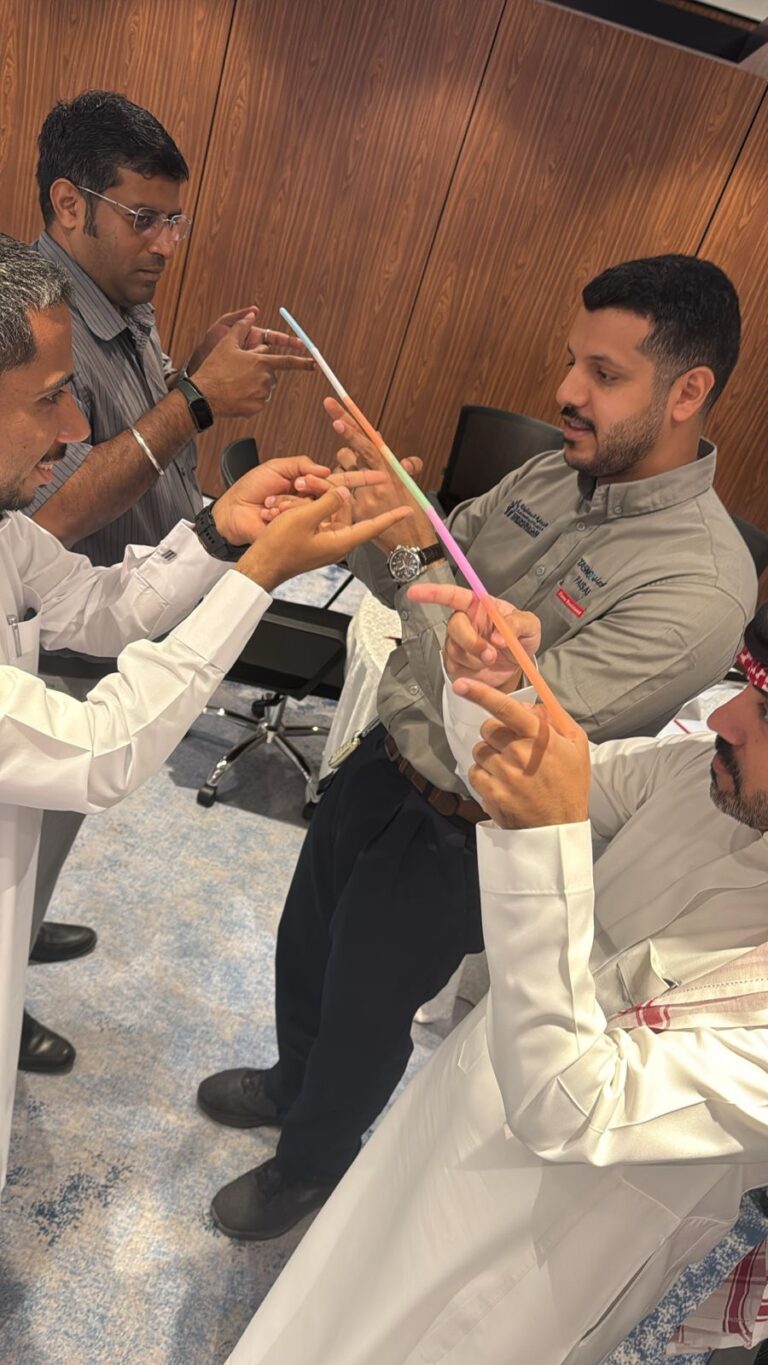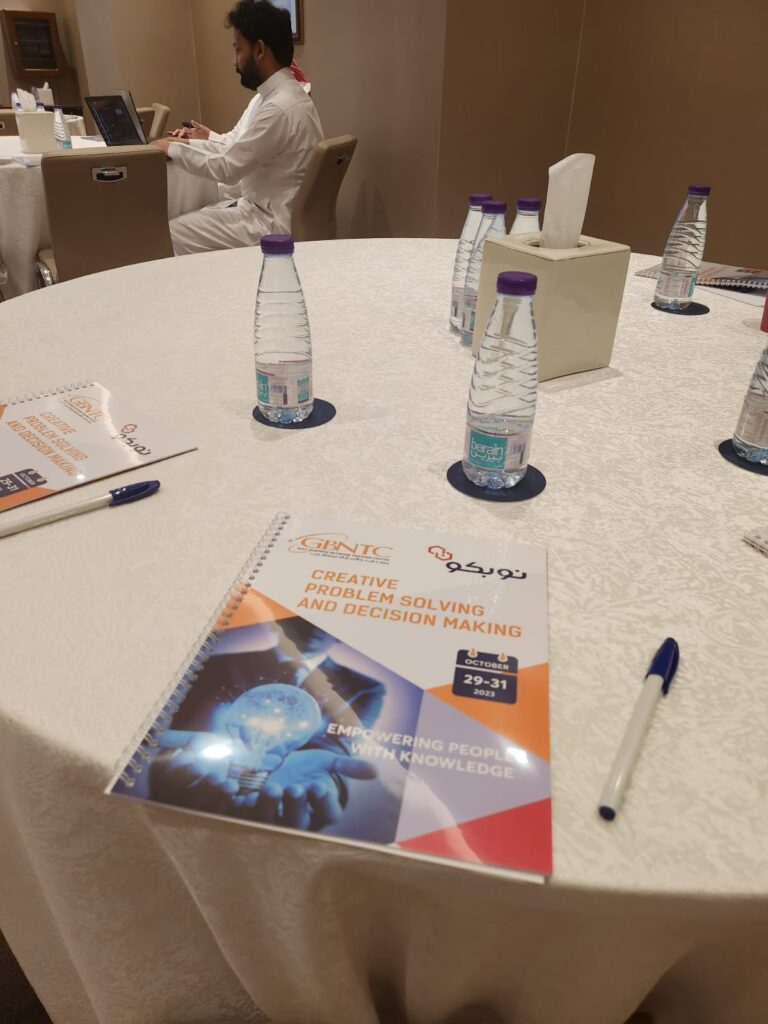

Event management has become an important part of how organizations strengthen communication, develop capabilities, build professional relationships, and support their strategic objectives. As organizations continue to organize different types of events, success no longer depends only on what happens on the event day. It requires integrated planning and careful management of every stage before, during, and after the event.
Event management includes a range of processes that begin with understanding the organization’s objectives, the nature of the event, and the target audience. This is followed by developing an execution plan, coordinating suppliers, speakers, and participants, managing operational and logistical requirements, and finally evaluating the results and measuring participant satisfaction.
Whether the event is a conference, executive meeting, workshop, specialized seminar, or exhibition, organized event management helps ensure that all details are handled according to a clear plan while creating a professional experience for participants and achieving the desired outcomes.
What Is Event Management?
Event management is the process of planning, organizing, executing, and evaluating all elements associated with an event in order to achieve specific objectives and provide an organized experience for participants. Event management includes several areas, such as:- Defining event objectives.
- Identifying the target audience.
- Preparing the budget.
- Selecting the venue.
- Developing the program.
- Coordinating with speakers and participants.
- Managing suppliers.
- Organizing logistical services.
- Managing registration and reception.
- Monitoring execution.
- Evaluating results after the event.
Why Is Event Management Important for Organizations?
Events can play an important role in supporting organizational objectives when they are planned and managed effectively. Some of the most common types of corporate events include:- Professional conferences.
- Executive meetings.
- Training workshops.
- Specialized seminars.
- Product and service launches.
- Team-building events.
- Client and partner gatherings.
- Exhibitions and forums.
Stage One: Before the Event
Event management begins well before the event date. This stage forms the foundation for execution and therefore requires careful planning, coordination, and continuous follow-up.Define the Event Objectives
Every successful event begins with clear objectives that can guide all stages of planning and execution. An event may aim to:- Develop employee skills.
- Strengthen relationships with clients and partners.
- Exchange knowledge and expertise.
- Support the organization’s strategic objectives.
- Launch a product or service.
- Strengthen communication between teams.
- Build new professional relationships.
Identify the Target Audience
The audience should be clearly understood before designing the program or selecting the venue. This includes identifying:- The target group.
- Expected number of participants.
- Attendee needs.
- Their interests.
- Their level of knowledge about the subject.
- The type of experience that would be most appropriate for them.
Prepare the Budget
Budget planning helps determine the event scope and allocate resources according to priorities. The budget may include:- Venue costs.
- Event setup.
- Design and production.
- Technical systems.
- Hospitality.
- Registration and reception.
- Promotional materials.
- Marketing and promotion.
- Photography and documentation.
- Logistics.
- Technical support.
- Security and safety services.
Develop an Integrated Execution Plan
After defining the objectives, audience, and budget, the next step is to develop an execution plan covering all stages of the event. A clear plan helps teams:- Organize tasks.
- Assign responsibilities.
- Establish deadlines.
- Monitor implementation status.
- Reduce the likelihood of errors.
- Improve coordination between teams.
Coordinate with Speakers and Suppliers
Many events require collaboration with speakers, trainers, suppliers, and different service providers. Responsibilities and delivery deadlines should therefore be clearly defined, with all parties confirming their readiness before the event date. This may involve coordination with:- Speakers.
- Trainers.
- Suppliers.
- Design and production teams.
- Audio-visual teams.
- Registration and reception teams.
- Hospitality teams.
- Technical support teams.
Stage Two: During the Event
This stage reflects the results of the previous planning process. The focus shifts to managing operational details and ensuring that the program runs according to plan.Manage Attendee Registration and Reception
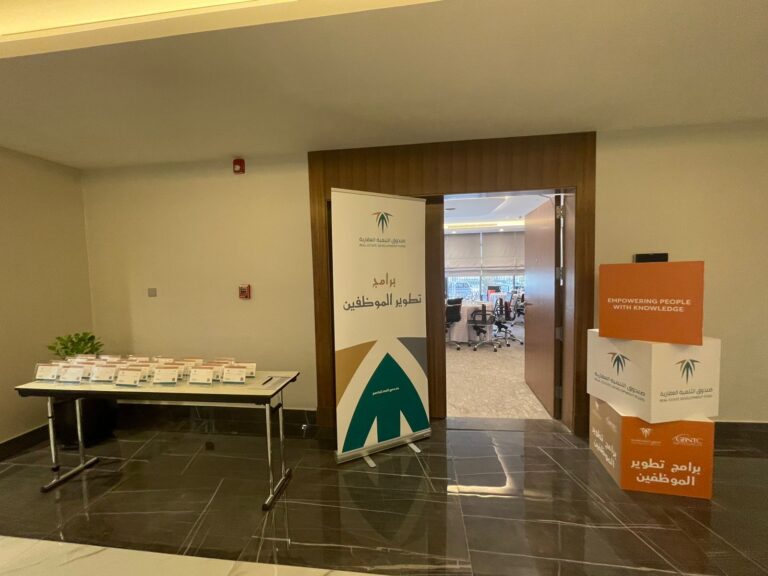
Registration and reception are among the first points of contact between participants and the event. Registration procedures should therefore be clear and organized, with a team available to handle participant questions and provide assistance when needed. This stage includes:- Ensuring registration lists are ready.
- Welcoming participants.
- Providing name badges when required.
- Directing attendees to the appropriate rooms or areas.
- Answering questions.
- Managing changes to attendance lists.
Monitor the Event Program
The event management team should monitor the schedule and ensure that the event moves between sessions and activities according to the plan. This requires continuous coordination with:- Speakers.
- Participants.
- Registration teams.
- Technical support teams.
- Logistics teams.
Supervise Logistics
Logistics includes all the elements that help the event operate smoothly and efficiently. These may include:- Room setup.
- Audio and visual systems.
- Screens and presentations.
- Lighting.
- Hospitality.
- Participant movement.
- Promotional materials.
- Technical support.
Handle Changes and Challenges
Even with a clear plan, changes or unexpected challenges may arise during an event. These may include:- A speaker arriving late.
- A technical issue.
- Changes in attendance numbers.
- The need to adjust the session schedule.
- Additional participant requirements.
Stage Three: After the Event
Event management does not end when participants leave. The post-event stage helps the organization evaluate results and use the experience to improve future events.Collect Participant Feedback
Gathering participant feedback helps organizations understand satisfaction levels and identify areas that require improvement. Feedback can be collected through:- Participant satisfaction surveys.
- Direct feedback.
- Online evaluations.
- Interviews or discussions when appropriate.
Evaluate Whether Objectives Were Achieved
After the event, results should be compared with the objectives established at the beginning. Useful questions include:- Were the event objectives achieved?
- Did the event reach the target audience?
- What was the level of attendee participation?
- How satisfied were participants?
- Which areas performed well?
- Which areas need improvement?
Review the Budget and Results
Reviewing the final budget helps the organization understand how resources were used and identify differences between planned and actual costs. Performance indicators can also be reviewed to understand the value the event created for the organization.Prepare the Final Report
A final report provides an overview of the event and may include:- Event objectives.
- Number of participants.
- Key activities.
- Results.
- Participant satisfaction.
- Performance indicators.
- Challenges.
- Lessons learned.
- Recommendations for future events.
Key Factors for Successful Event Management
Several elements can help improve event management and create a more organized experience.Clear Objectives
The clearer the event objectives are, the easier it becomes to design the program, make appropriate decisions, and measure results.Early Planning
Early planning gives the team enough time to manage details, coordinate with suppliers, and prepare for potential challenges.Clear Responsibilities
Every member of the event team should understand their role, responsibilities, and deadlines.Continuous Communication
Communication between all stakeholders helps reduce misunderstandings and ensures that everyone is aware of any changes.Contingency Planning
Having alternative plans helps the team respond to unexpected issues without significantly affecting the event.Focus on Participant Experience
Event success is not only about delivering the program. It also depends on the participant experience from registration through to the end of the event.Checklist: Is Your Corporate Event Ready?
Planning
☐ Have the event objectives been clearly defined? ☐ Has the target audience been identified? ☐ Has an appropriate budget been prepared? ☐ Have roles and responsibilities been assigned?Operational Requirements
☐ Has the appropriate venue been booked? ☐ Have all suppliers been coordinated? ☐ Is the event schedule ready? ☐ Has a contingency plan been prepared?Participant Experience
☐ Are registration procedures ready? ☐ Have all technical systems been tested? ☐ Have informational materials been prepared? ☐ Have all services provided to attendees been confirmed and prepared?Results Evaluation
☐ Is there a mechanism for measuring participant satisfaction? ☐ Have performance indicators been defined? ☐ Will a report be prepared after the event? ☐ Will the results be used to improve future events?How Does GBNTC Support Corporate Event Management?
GBNTC helps organizations organize corporate events that align with their strategic objectives by providing integrated solutions covering different stages of planning and execution. The process begins with understanding the organization’s needs and the nature of the event, followed by developing an appropriate plan, coordinating all operational elements, and overseeing execution while focusing on delivering a professional experience that creates value for participants. Whether the event is a conference, executive meeting, workshop, or training program, GBNTC provides solutions that support execution quality and contribute to achieving organizational objectives efficiently.Frequently Asked Questions
What is event management?
Event management is the process of planning, organizing, executing, and evaluating all elements associated with an event to achieve organizational objectives and provide an organized participant experience.What are the main stages of event management?
Event management consists of three main stages: planning before the event, managing execution during the event, and evaluating results after the event.Why is pre-event planning important?
Early planning helps define objectives, prepare the budget, assign responsibilities, coordinate with suppliers, and prepare for potential challenges.Why is the participant experience important to event success?
The participant experience influences the overall impression of the event and the organization. This is why registration, reception, content, services, and communication should be managed throughout the attendee journey.How can event success be measured?
Event success can be measured through participant numbers, satisfaction levels, achievement of objectives, performance indicators, and the results generated for the organization.Does an organization need a specialized event management company?
This depends on the size and nature of the event and the resources available within the organization. A specialized team can support planning, coordination, execution, and the management of operational and logistical requirements. A successful event begins with effective planning, but it does not end with the execution of the event. Event management requires the integration of every stage, from defining objectives and understanding the audience to managing operational details during the event and evaluating results afterward. By following an organized approach that covers planning, execution, and evaluation, organizations can deliver events that achieve their objectives and provide a professional experience for participants. If your organization is looking for integrated event management solutions, explore GBNTC’s event management services and discover how a specialized team can support you in planning and executing your event professionally, in alignment with your organizational objectives and requirements.Event Management (By KNOW)