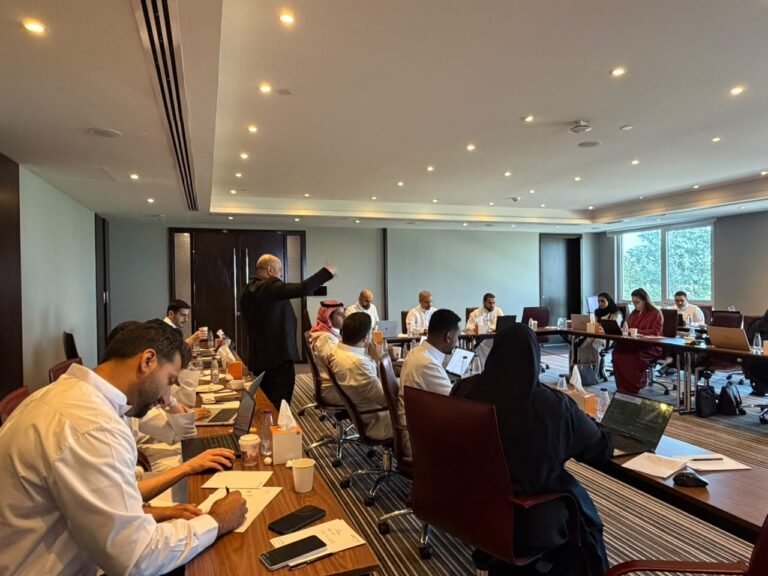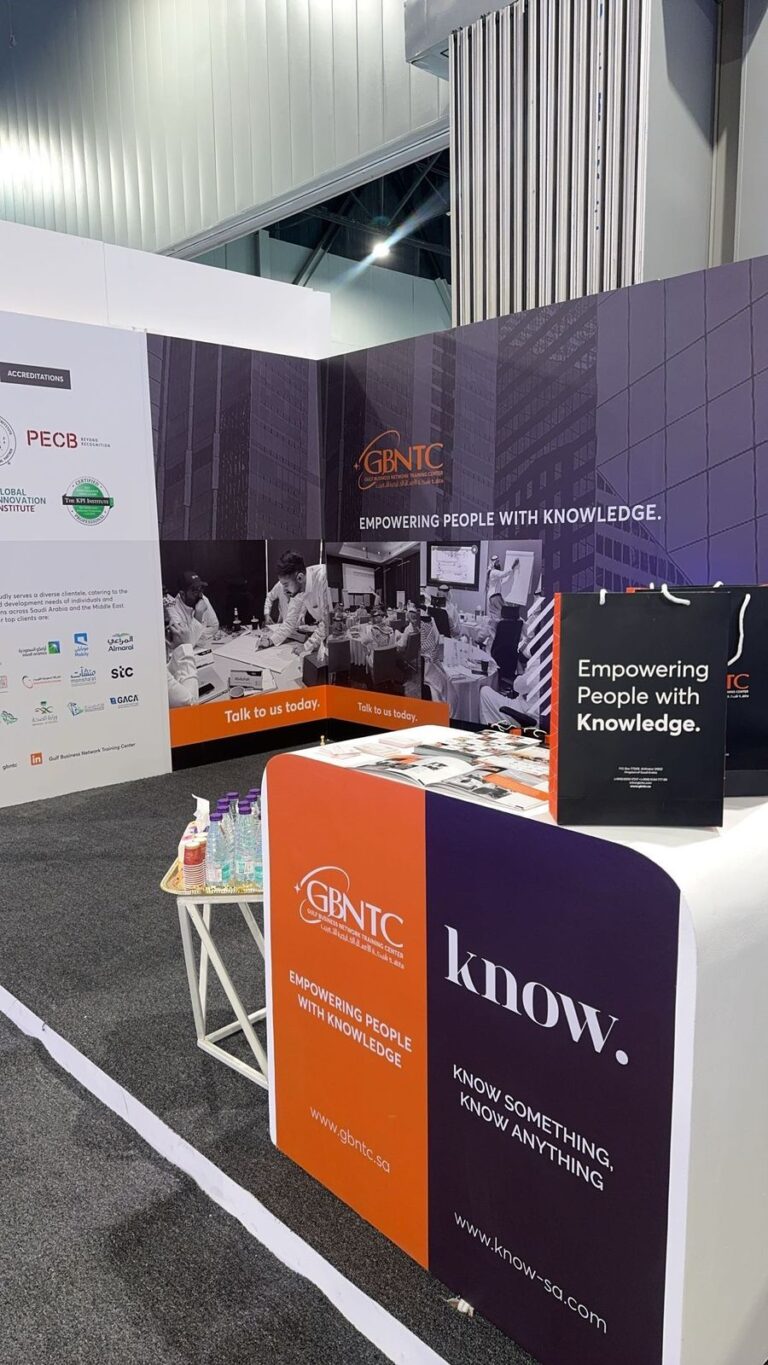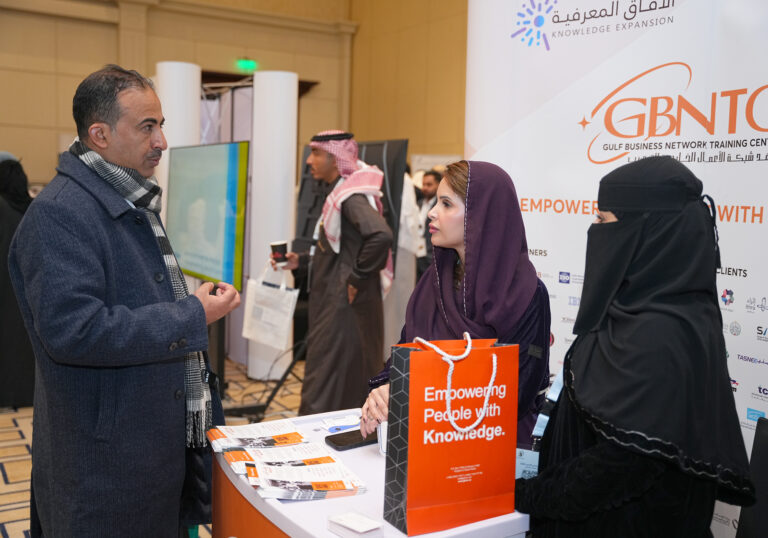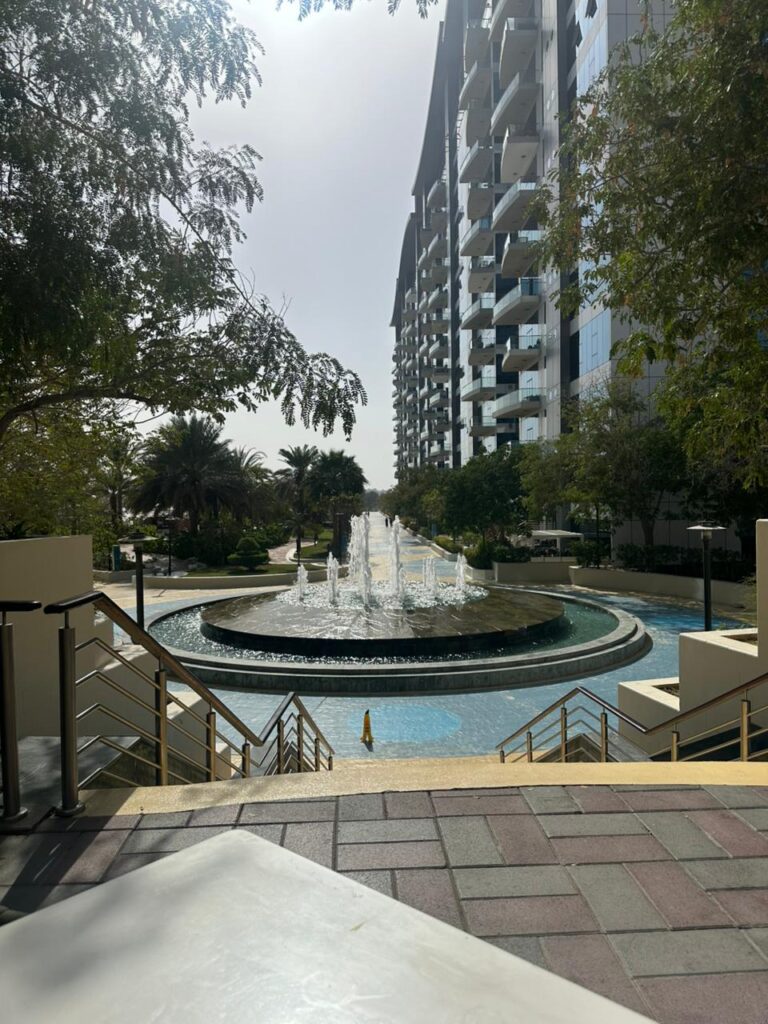

Riyadh has become a major destination for conferences, exhibitions, corporate events, and professional gatherings in Saudi Arabia. With the growing variety of events taking place across the capital, careful planning and professional event management have become essential to delivering a successful and well-organized experience for participants and visitors.
Whether you are planning a conference, exhibition, workshop, corporate event, or ceremony, organizing an event in Riyadh requires more than simply choosing a suitable venue and setting a date. Event success depends on an integrated set of elements, including defining objectives, selecting the right venue, planning logistics, obtaining the required permits, managing suppliers, and organizing the attendee experience.
This guide explores the key considerations for planning a successful event in Riyadh, from defining the event concept to execution and post-event evaluation.
Why Has Riyadh Become an Important Destination for Events?
Riyadh has seen continued growth in hosting different types of events, ranging from professional conferences and forums to exhibitions, corporate events, meetings, and other specialized activities.
This variety gives organizations planning an event in the capital multiple options. At the same time, it makes having a clear plan essential for selecting the right solution based on the nature of the event and its target audience.
The approach to organizing an event depends on several factors, including:
- Type of event.
- Expected number of attendees.
- Target audience.
- Event duration.
- Available budget.
- Program requirements.
- Technical requirements.
- Logistical needs.
The clearer these elements are from the beginning, the easier it becomes to make appropriate decisions throughout the planning and execution stages.
Step One: Define the Event Type and Objectives
Before searching for a venue or contacting an event management company in Riyadh, the organization should define the nature of the event and its main objective.
The event could be:
- A professional conference.
- An exhibition.
- A forum.
- A workshop.
- A corporate meeting.
- A launch event.
- A ceremony.
- A networking event.
- An internal employee event.
The organization should also determine what it wants to achieve through the event.
Objectives may include:
- Strengthening relationships with clients and partners.
- Sharing knowledge and expertise.
- Launching a product or service.
- Developing employee capabilities.
- Strengthening organizational presence.
- Building professional relationships.
- Supporting marketing or organizational objectives.
Defining the objective at the beginning helps establish the other elements of the event more clearly.
Choosing an Event Venue in Riyadh
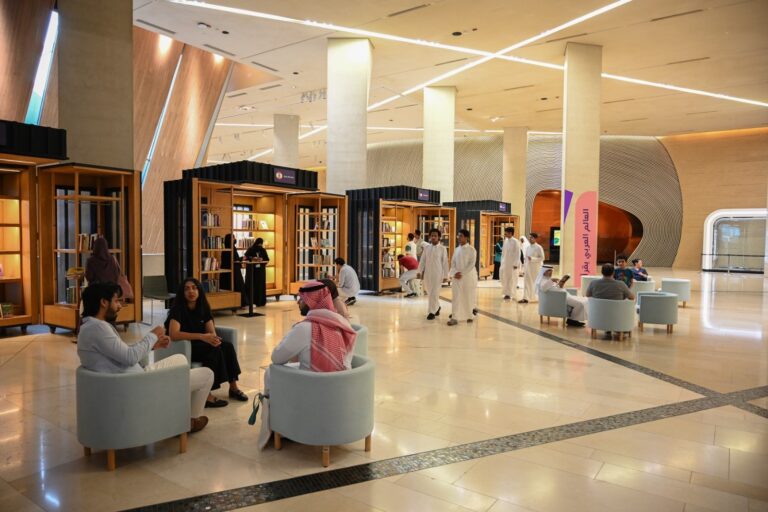
Venue selection is one of the most important decisions affecting the attendee experience and overall event execution.
Choosing a venue should not depend only on its appearance or capacity. It should also match the nature of the event, expected attendance, and planned activities.
Types of Event Venues
The most appropriate venue depends on the type of event. Options that can be considered include:
- Hotels and conference halls.
- Exhibition and event centers.
- Multi-purpose venues.
- Spaces designed for corporate events.
- Outdoor venues suitable for certain types of events.
What Should Be Evaluated When Choosing a Venue?
It is important to review:
- Location and accessibility.
- Capacity.
- Parking availability.
- Transportation and access.
- Available halls and spaces.
- Technical facilities.
- Audio-visual services.
- Internet connectivity.
- Registration and reception areas.
- Hospitality services.
- Security and safety requirements.
- Flexibility to customize spaces according to the event.
The venue layout should also support the attendee journey and movement throughout the event.
Permits and Regulatory Requirements
Requirements and permits can vary depending on the nature of the event, its location, and the activities included.
For this reason, regulatory requirements should be identified early in the planning process, and the necessary procedures should be completed before the event date.
Planning may include:
- Identifying relevant authorities.
- Reviewing requirements related to the type of event.
- Confirming required permits.
- Reviewing venue requirements.
- Ensuring compliance with safety and organizational requirements.
Organizations should not wait until the final stages to review these requirements, as delays in regulatory procedures can affect the event timeline.
Event Logistics Planning
Logistics are an essential part of organizing events in Riyadh, particularly when an event involves a large number of participants or multiple suppliers and services.
Logistics planning includes:
Venue Setup
This includes preparing halls and spaces, installing exhibition stands when required, and setting up registration and reception areas.
Technical Services
The organization should confirm the readiness of:
- Audio systems.
- Screens.
- Lighting.
- Presentation equipment.
- Internet connectivity.
- Registration or presentation systems.
Attendee Movement
Planning should cover participant entry and exit routes, registration areas, waiting spaces, and the locations of sessions and activities.
Hospitality
Hospitality requirements vary depending on the type of event, number of participants, and duration. These requirements should therefore be defined in advance and coordinated with the responsible service providers.
Transportation and Access
For larger events, organizations may need to consider transportation requirements, access, parking, and directions to the venue.
Supplier Management and Event Management Companies
An event may require several suppliers, including setup and production companies, audio-visual providers, printing services, hospitality providers, photography teams, and technical support.
A specialized event management company can help coordinate these elements within one integrated plan.
When selecting an event management partner, it is important to consider:
- Experience in organizing events.
- Ability to manage suppliers.
- Understanding of the event requirements.
- Ability to manage operational details.
- Clear communication and follow-up processes.
- Ability to handle changes and unexpected developments.
Working with a specialized team can reduce the organization’s operational workload and allow its internal team to focus on the event’s objectives, content, and audience.
Designing the Attendee Experience
Event success depends not only on the program but also on the complete experience participants have throughout the event.
The attendee experience begins with:
- Registration.
- Receiving event information.
- Arriving at the venue.
- Reception.
- Entry.
- Attending sessions or activities.
- Networking with other participants.
- Departure and post-event communication.
The attendee journey should therefore be designed to be clear and organized.
It is useful to review every point of contact with participants and ask:
- Does the participant know what to do?
- Can they access information easily?
- Do they know where to register or attend their session?
- Is there someone they can contact when they need assistance?
These details can have a significant impact on the overall impression of the event.
Marketing and Promoting an Event in Riyadh
An event needs a communication plan that helps reach the target audience before the event date.
The plan may include:
- Social media platforms.
- Email marketing.
- The organization’s website.
- Direct invitations.
- Partnerships with relevant organizations.
- Informational content.
- Digital advertising when required.
Communication should be clear and include essential information such as:
- Event name.
- Event date.
- Location.
- Target audience.
- Key program elements.
- Registration process.
Communication should also begin early enough to give the audience time to discover the event, register, and prepare to attend.
Managing the Event Day
On the event day, planning turns into actual execution. The event team therefore needs a clear operational plan.
Before the event begins, the team should confirm:
- Venue readiness.
- Completion of setup.
- Testing of technical systems.
- Registration readiness.
- Supplier arrival.
- Speaker and participant readiness.
- Availability of required materials.
- Readiness of support teams.
During the event, the team should monitor the schedule, coordinate between teams, and respond to any changes or challenges that may arise.
Having a clearly assigned person responsible for each aspect of the event helps accelerate decision-making and reduce the impact of potential issues on the attendee experience.
After the Event: Evaluation and Measuring Results
Event management does not end when participants leave.
The post-event stage helps organizations understand how successful the event was and identify opportunities for improvement.
Organizations can evaluate:
- Number of attendees.
- Registration-to-attendance rate.
- Participant satisfaction.
- Engagement levels.
- Achievement of defined objectives.
- Supplier performance.
- Actual costs.
- Feedback and suggestions.
Participant feedback can also be collected through surveys or direct feedback and used to improve future events.
Checklist: Is Your Riyadh Event Ready?
Planning
- ☐ Has the event objective been defined?
- ☐ Has the target audience been identified?
- ☐ Has the budget been established?
- ☐ Has an appropriate date been selected?
- ☐ Have responsibilities been assigned?
Venue
- ☐ Has the appropriate venue been selected?
- ☐ Is the space suitable for the expected number of attendees?
- ☐ Are the required facilities available?
- ☐ Has accessibility and parking availability been confirmed?
Permits and Requirements
- ☐ Have the relevant regulatory requirements been identified?
- ☐ Have the required permits been confirmed?
- ☐ Have venue requirements been reviewed?
- ☐ Have security and safety requirements been confirmed?
Logistics
- ☐ Have suppliers been coordinated?
- ☐ Are audio, visual, and lighting requirements ready?
- ☐ Are registration and reception areas prepared?
- ☐ Has attendee movement been planned?
- ☐ Have hospitality services been arranged?
Attendee Experience
- ☐ Is the registration process clear and easy?
- ☐ Has event information been sent to participants?
- ☐ Is there a clear reception plan?
- ☐ Does the event team understand its responsibilities?
After the Event
- ☐ Will participant feedback be collected?
- ☐ Will results be measured?
- ☐ Will a final report be prepared?
- ☐ Will lessons learned be documented?
How Does GBNTC Support Event Management in Riyadh?
GBNTC supports organizations in planning and delivering events through integrated solutions tailored to the event objectives, target audience, and operational requirements.
The process begins with understanding the organization’s needs, defining the event objectives, reviewing venue and execution requirements, and coordinating operational and logistical elements to ensure an organized experience for participants.
Through event management solutions, organizations can receive support throughout the planning, coordination, and execution stages, with a focus on quality, attendee experience, and achieving the event’s objectives.
Whether you are planning a conference in Riyadh, an exhibition, a workshop, or a corporate event, having a clear plan and a specialized team can help manage operational details efficiently and address execution requirements in an organized way.
Frequently Asked Questions
What are the most important factors to consider when organizing an event in Riyadh?
Key considerations include defining the event objectives, selecting an appropriate venue, understanding the target audience, reviewing regulatory requirements, planning logistics, managing suppliers, and preparing the attendee experience.
How do I choose a suitable venue for an event in Riyadh?
Venue selection depends on the type of event, expected attendance, program, technical requirements, and logistical needs. Accessibility, parking, capacity, and available facilities should also be considered.
Do events in Riyadh require permits or licenses?
Requirements may vary depending on the type of event, its location, and the activities involved. Organizations should therefore review the applicable regulatory requirements and confirm the necessary permits before the event.
When should planning begin for an event in Riyadh?
The required planning period depends on the size and complexity of the event. Larger events involving more suppliers and participants generally benefit from starting the planning process earlier.
What does an event management company do?
An event management company can support organizations with planning, coordination, supplier management, logistics, and execution, helping reduce the operational workload and provide a more organized attendee experience.
How can event success be measured?
Success can be measured through attendance numbers, participant satisfaction, engagement levels, achievement of event objectives, as well as supplier performance, costs, and overall results.
A successful event in Riyadh begins with careful planning and a clear understanding of the event, target audience, and objectives. From selecting the right venue and reviewing regulatory requirements to managing logistics and operational details, every stage contributes to the overall attendee experience. With a clear plan and specialized support, organizations can deliver professional events that achieve their objectives and create a positive experience for participants.
If you are planning an event in Riyadh and need specialized support with planning, execution, and operational management, connect with GBNTC to explore
event management solutions
designed around your organization’s needs and objectives.