
Enhancing Learning Quality and Building Organizational Capabilities for Sustainable Impact
The Excellence in Training Forum represents an opportunity for learning and development professionals, specialists, and industry experts to exchange knowledge, explore best practices, and discuss modern approaches to designing and delivering impactful training solutions.
As organizations continue to experience rapid changes in the business environment, training is no longer only a method for transferring knowledge. It has become a strategic tool for building capabilities, developing competencies, and supporting organizational excellence.
The forum highlights the importance of transforming training from traditional programs into effective learning experiences that are connected to organizational needs and help employees apply new skills to achieve measurable workplace outcomes.
The Importance of Training Excellence for Organizations
Organizations today require training systems that are more flexible, effective, and aligned with changing business requirements.
Training excellence is not only about the quality of training content. It includes every stage of the learning process, starting from identifying needs, designing programs, selecting suitable learning methods, and measuring training impact.
Training excellence helps organizations:
- Develop employee capabilities aligned with business objectives.
- Improve performance and productivity.
- Build sustainable internal capabilities.
- Strengthen a culture of continuous learning.
- Prepare future leaders and skilled professionals.
When training becomes part of an organization’s strategy, it moves from being a separate activity into a long-term investment in human capital.
Moving from Traditional Training to Impactful Learning
Many organizations previously relied on general training programs focused mainly on delivering information. However, today’s business environment requires learning approaches that are more connected to practical workplace needs.
Effective learning focuses on:
Understanding Actual Development Needs
Successful training programs begin with understanding employee capability gaps and identifying the skills required to achieve organizational goals.
Through Training Needs Analysis, organizations can identify:
- Current capabilities.
- Development gaps.
- Training priorities.
- Appropriate learning solutions.
This ensures that training investments are directed toward areas that create real value.
Designing Practical Learning Experiences
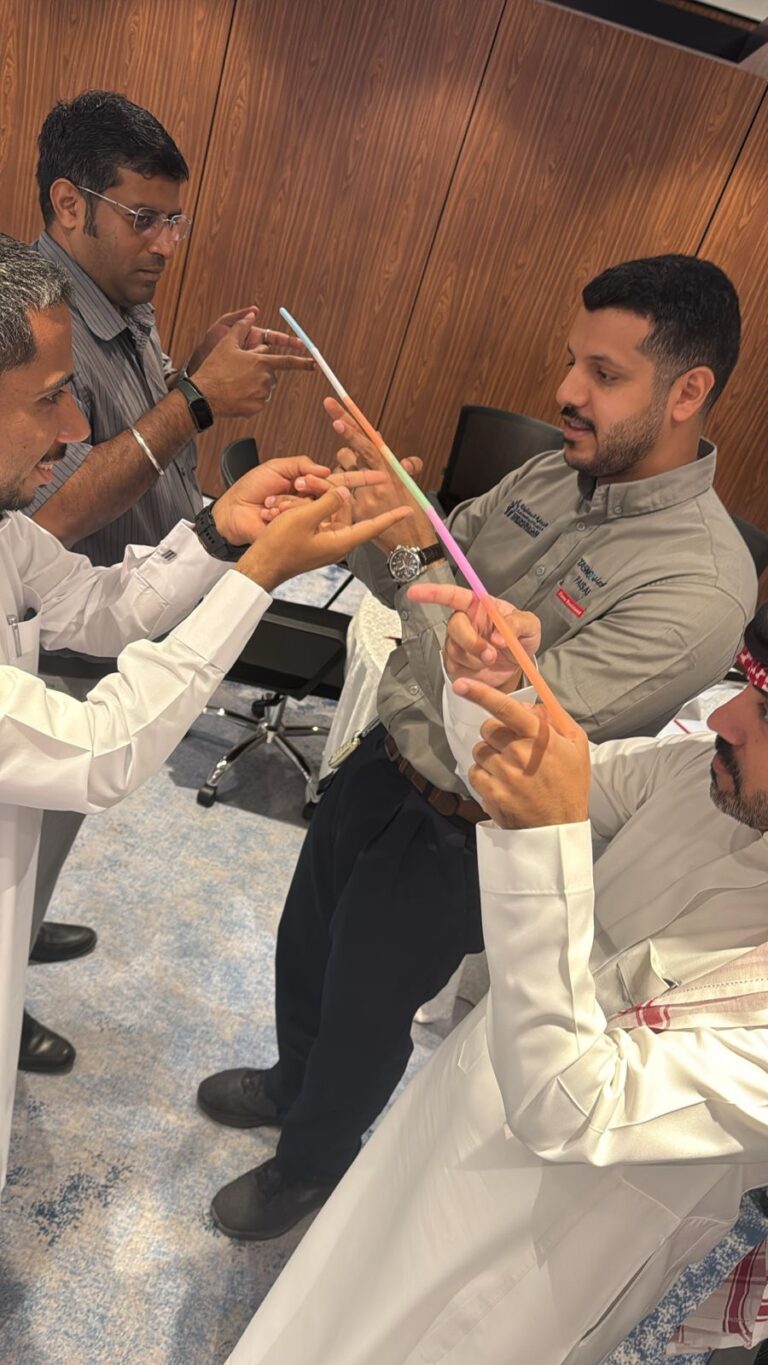
Effective learning goes beyond theoretical knowledge. It focuses on helping participants transform information into practical skills that can be applied in their daily work.
Modern learning approaches include:
- Interactive workshops.
- Case studies.
- Practical simulations.
- Applied projects.
- Coaching and feedback sessions.
These methods increase engagement and support better knowledge transfer.
Measuring Training Impact
Measuring training impact is one of the key elements of training excellence. It helps organizations understand whether training programs achieved their intended outcomes and contributed to improved performance.
Impact measurement may include:
- Evaluating skill development.
- Monitoring workplace application.
- Measuring performance improvements.
- Connecting training results with organizational goals.
The Role of Training in Achieving Organizational Excellence
Organizational excellence is not achieved through systems and processes alone. It depends significantly on the capabilities of the people who lead and execute these processes.
Effective training contributes to:
Enhancing Employee Readiness
When employees have the right skills and knowledge, they become more capable of handling challenges and achieving expected results.
Supporting Innovation and Continuous Improvement
A learning culture encourages employees to improve processes, develop new approaches, and contribute innovative ideas.
Building Future Leaders
Leadership development programs play an important role in preparing employees to take on greater responsibilities and support organizational continuity.
Improving Organizational Performance
When training programs are connected to strategic objectives, their impact becomes more visible through improved performance and stronger results.
Key Standards for Training Program Excellence
The success of a training program does not depend only on the content. It depends on several elements that ensure meaningful and sustainable impact.
1. Alignment with Organizational Objectives
Training should be connected to the challenges and goals the organization aims to achieve.
An effective training program does not only provide general skills. It develops the capabilities required to support the organization’s vision and priorities.
2. Customized Learning Solutions
Every organization has different requirements based on its industry, work environment, employee capabilities, and future goals.
Customized training solutions are more effective because they address actual organizational needs rather than providing general content.
3. Using Diverse Learning Methods
Interactive learning approaches improve the learning experience and increase the ability to apply new skills.
Examples include:
- Practical training.
- Group discussions.
- Applied exercises.
- Problem-based learning.
4. Continuous Evaluation and Improvement
Training programs require ongoing review to ensure they remain effective and aligned with changing organizational needs.
Continuous evaluation helps organizations improve learning experiences and maximize training value.
Modern Trends in Training and Development
The training and development field continues to evolve as organizations adopt new approaches to employee learning.
Key trends include:
Customized Learning
Organizations are increasingly designing programs that match the needs of different roles, departments, and leadership levels.
Continuous Learning
Training is no longer limited to one program or specific period. It has become an ongoing journey that supports employee growth throughout their careers.
Application-Based Learning
Organizations are focusing more on connecting learning with real workplace situations to ensure skills are effectively applied.
Technology-Enabled Learning
Digital learning solutions provide organizations with more flexible and accessible ways to deliver training experiences.
How the Excellence in Training Forum Supports Learning Development
Specialized events such as the Excellence in Training Forum contribute to strengthening knowledge exchange and collaboration among learning and development professionals.
These forums provide opportunities to discuss:
- Best practices in training design.
- Methods for measuring learning impact.
- Current challenges in workforce development.
- The future of training and organizational learning.
They also help build professional networks that contribute to improving learning quality and strengthening the role of training as a strategic driver of organizational success.
Checklist: Does Your Organization Apply Training Excellence Standards?
☐ Are training programs aligned with organizational objectives?
☐ Are training needs analyzed before designing programs?
☐ Is training content customized according to employee needs?
☐ Do programs include practical applications?
☐ Are different learning methods being used?
☐ Is training impact measured after implementation?
☐ Are programs updated based on evaluation results?
☐ Does training support future capability development?
How GBNTC Helps Organizations Achieve Training Excellence
GBNTC supports organizations in developing integrated training solutions aligned with their strategic objectives and workforce requirements.
GBNTC’s approach begins with understanding organizational challenges, analyzing training needs, designing customized programs, delivering practical learning experiences, and measuring impact to ensure measurable outcomes.
Through training and development solutions, leadership development programs, and customized learning experiences, GBNTC helps organizations build stronger capabilities, improve employee performance, and achieve organizational excellence through effective learning.
Frequently Asked Questions
What does training excellence mean?
Training excellence means designing and delivering learning programs that create real organizational value by developing capabilities, improving performance, and connecting learning with strategic objectives.
Why has training become a strategic priority for organizations?
Because employee development is essential for adapting to change, building capabilities, and achieving sustainable growth.
How can organizations improve the quality of their training programs?
Organizations can improve training quality through needs analysis, customized program design, practical learning methods, and impact measurement.
Why is measuring training impact important?
Measuring impact helps organizations understand whether training programs achieved their objectives and improve future investments in learning and development.
The Excellence in Training Forum reflects the growing importance of developing effective learning practices within organizations. As businesses continue to adapt to changing environments, impactful training has become a key factor in building capable teams and supporting long-term organizational success.
By focusing on learning quality, practical application, and measurable outcomes, organizations can transform training into a strategic capability that strengthens performance and drives excellence.
Discover how GBNTC can support your organization through customized training solutions designed to develop capabilities, improve performance, and build a workforce prepared for future challenges.
Services