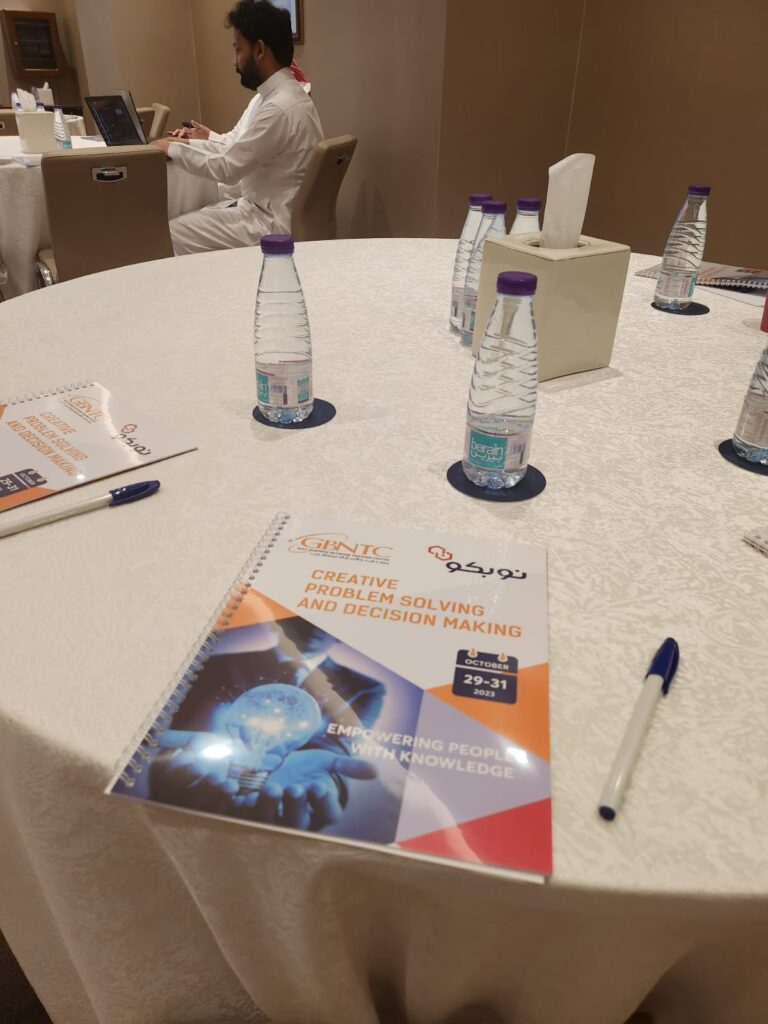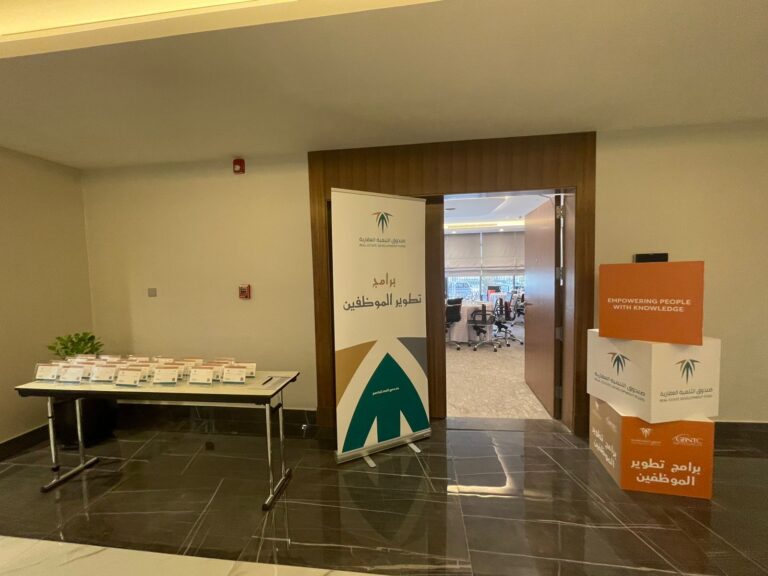

Celebrating Learner Achievements and Strengthening Facilities Sector Capabilities Through Learning and Development
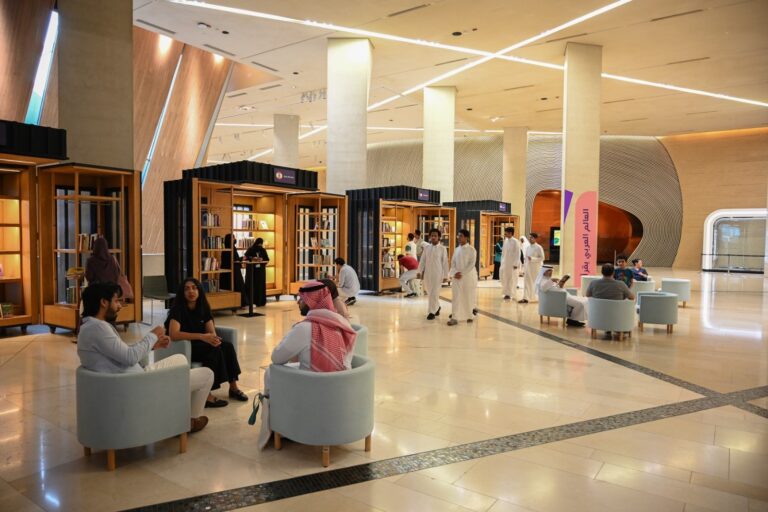
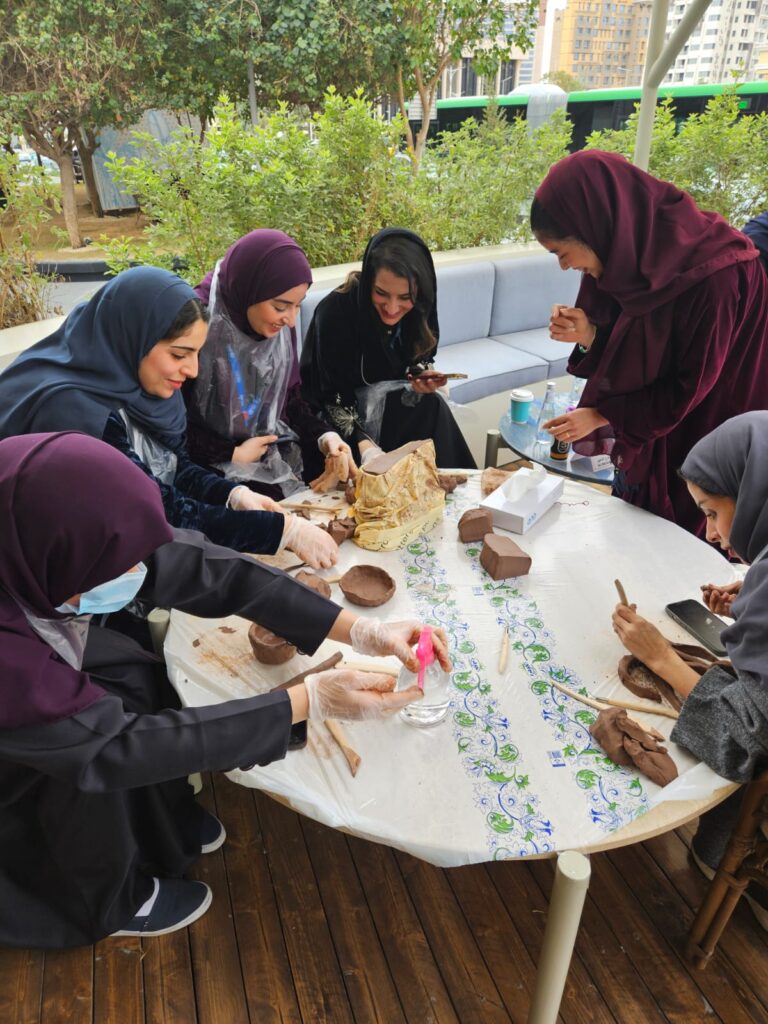
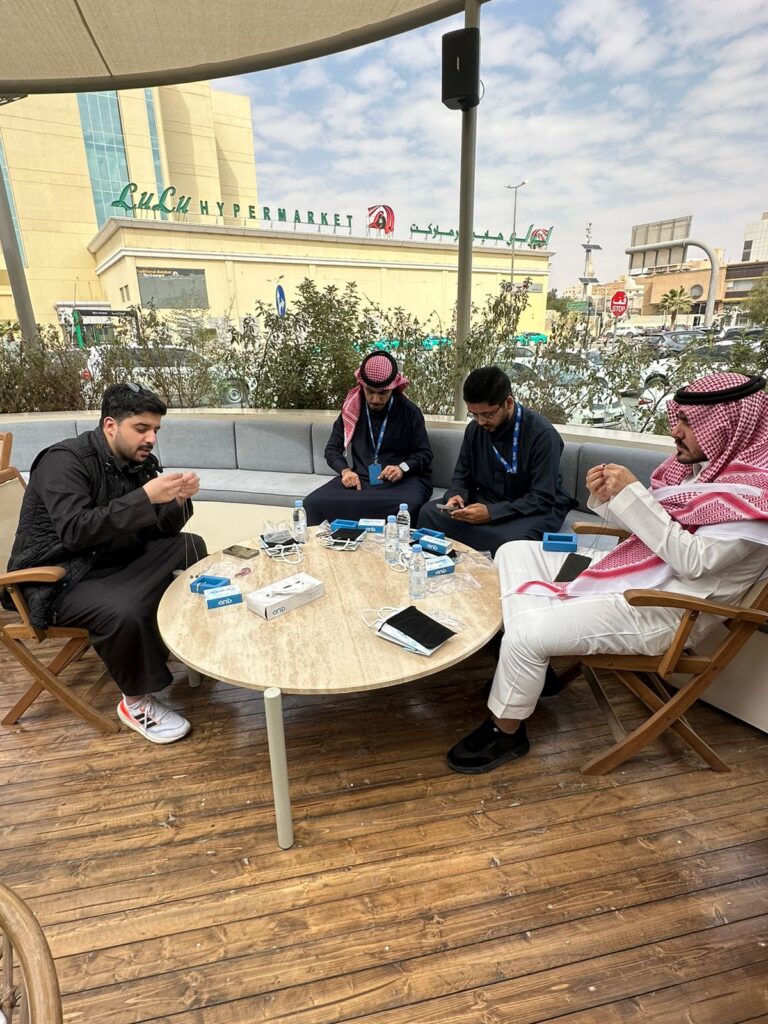
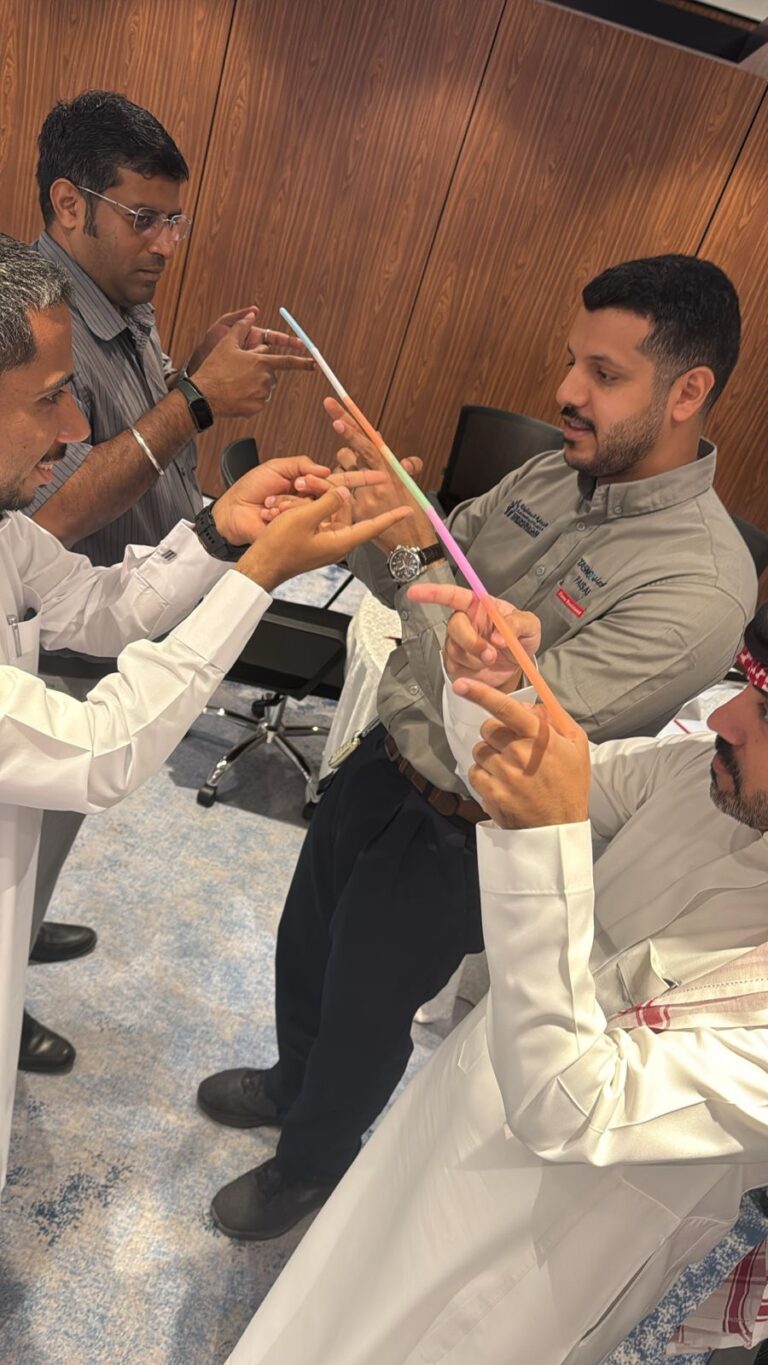
The Monsha’at Facilities Program Graduation Ceremony represents an important milestone celebrating the achievements of participants who successfully completed their learning journey and highlighting the importance of developing specialized capabilities that support the growth of vital sectors.
This occasion reflects the increasing focus on developing human capital and strengthening workforce capabilities in alignment with evolving business requirements and future industry needs.
Specialized development programs play a significant role in enabling individuals to gain the knowledge, skills, and practical experience required to improve performance, enhance operational efficiency, and contribute to organizational objectives.
The Importance of Capability Development Programs in the Facilities Sector
The facilities sector is one of the essential sectors that relies on qualified professionals with the technical knowledge and professional skills required to manage operations effectively.
As the sector continues to evolve, organizations need to invest in workforce development through programs that help:
- Enhance professional capabilities.
- Strengthen technical and managerial skills.
- Improve operational performance.
- Develop the ability to address workplace challenges.
- Prepare professionals to support the future growth of the sector.
Specialized training programs contribute to building stronger teams and transforming knowledge into practical workplace applications.
The Role of Training in Building Organizational Capabilities
The impact of training extends beyond individual skill development. It contributes directly to improving overall organizational performance.
When employees receive relevant and effective training, organizations become better equipped to:
Improve Operational Performance
Training helps employees enhance their work methods, optimize resource utilization, and improve the quality of outcomes.
Strengthen a Culture of Continuous Development
Learning programs encourage organizations to create environments that support continuous improvement and professional growth.
Support Innovation and Improvement
When employees have the right knowledge and skills, they become more capable of identifying opportunities, suggesting solutions, and improving processes.
Build Future Workforce Capabilities
Development programs help prepare employees for greater responsibilities and contribute to long-term organizational sustainability.
The Importance of Celebrating Learner Achievements
Graduation ceremonies represent an important part of the learning and development journey. They are not only a celebration of program completion but also a recognition of participants’ efforts and commitment to professional growth.
Celebrating learner achievements helps:
- Encourage continuous learning and development.
- Recognize dedication and commitment.
- Strengthen confidence in newly acquired capabilities.
- Promote a culture of development within organizations.
These occasions also highlight the importance of investing in people as a key driver of growth and excellence.
From Learning to Practical Application
The true value of any training program lies in the ability of participants to apply what they have learned in their workplace.
Effective development programs focus on combining:
Knowledge Development
Providing participants with the knowledge and understanding needed to adopt modern practices and approaches.
Practical Application
Connecting learning with real workplace situations and challenges employees face in their roles.
Continuous Improvement
Providing opportunities for follow-up, evaluation, and ongoing development to strengthen capabilities over time.
This approach transforms training from a temporary learning experience into sustainable value that impacts both individuals and organizations.
The Importance of Partnerships in Delivering Specialized Training Programs
Successful training initiatives require collaboration between different stakeholders to ensure that learning experiences achieve their intended objectives.
Training partnerships contribute to:
- Better understanding of sector requirements.
- Designing relevant learning content.
- Providing specialized expertise.
- Ensuring training quality.
- Measuring program impact and improvement opportunities.
When organizations combine their expertise and resources, development programs become more effective in achieving measurable outcomes and supporting strategic goals.
How Capability Development Programs Support Organizational Goals
Capability development programs help organizations build a stronger workforce by:
Developing Required Skills
Identifying critical skills and providing learning opportunities that support employee growth.
Improving Team Readiness
Preparing employees to handle current responsibilities and future workplace requirements.
Supporting Organizational Performance
Connecting employee development with organizational objectives and strategic priorities.
Enhancing Sustainability
Building internal capabilities that help organizations grow and adapt to changing environments.
Checklist: Does Your Organization Effectively Invest in Capability Development?
☐ Are training needs identified before designing programs?
☐ Are training programs aligned with organizational objectives?
☐ Are employees’ technical and professional skills being developed?
☐ Do training programs include practical applications?
☐ Is skill application followed up after program completion?
☐ Is training impact measured?
☐ Are there continuous workforce development plans?
☐ Are employees prepared for future requirements?
How GBNTC Supports Capability Development and Workforce Growth
GBNTC supports organizations through customized training and development solutions designed to strengthen employee capabilities and achieve organizational development goals.
GBNTC’s approach begins with understanding organizational and sector requirements, analyzing capability gaps, designing suitable learning programs, delivering practical learning experiences, and measuring training impact to ensure measurable outcomes.
Through training and development solutions, capability-building programs, and customized learning experiences, GBNTC helps organizations develop more capable and future-ready professionals while enhancing organizational performance in alignment with evolving business needs.
Frequently Asked Questions
Why are capability development programs important in the facilities sector?
Capability development programs help strengthen employee skills, improve operational performance, and prepare professionals to address future sector challenges.
Why is continuous training important for organizations?
Because business environments continue to change, employees need ongoing development to maintain performance quality and adapt to new requirements.
How do training programs improve employee performance?
Training programs improve performance by developing knowledge, strengthening skills, and providing practical experiences that employees can apply in their workplace.
How can organizations measure training impact?
Training impact can be measured through skill assessments, workplace application, performance indicators, and evaluation against program objectives.
The Monsha’at Facilities Program Graduation Ceremony reflects the importance of investing in workforce development and building specialized capabilities that support the growth of essential sectors. Organizational success depends significantly on having qualified professionals who can apply knowledge, improve performance, and contribute to future objectives.
Discover how GBNTC can support your organization through customized training solutions designed to develop capabilities, strengthen workforce performance, and transform learning into measurable impact.
Our Services