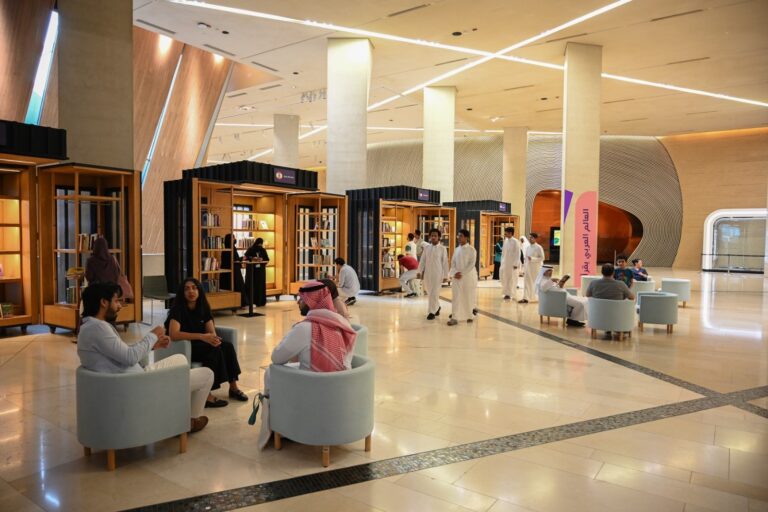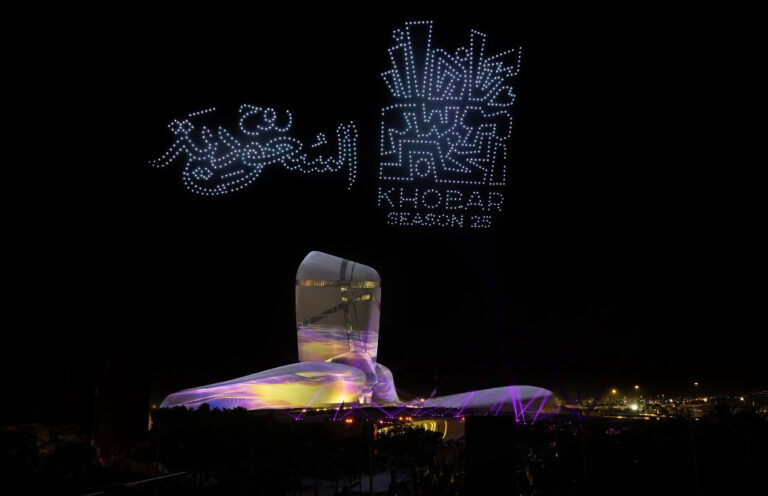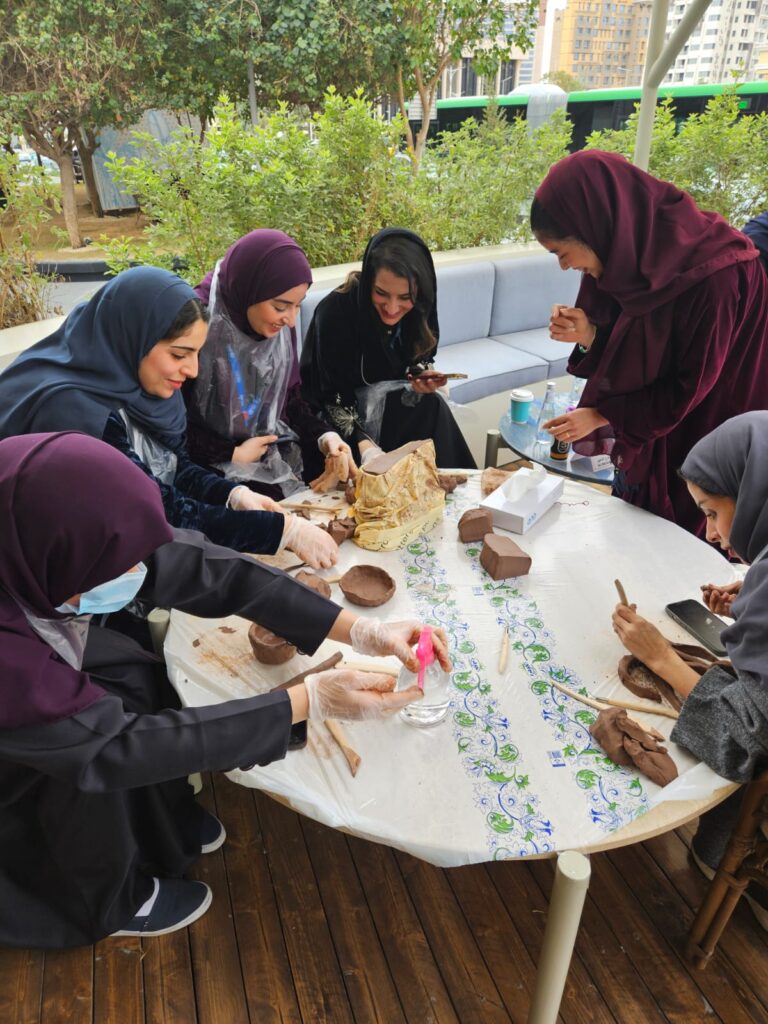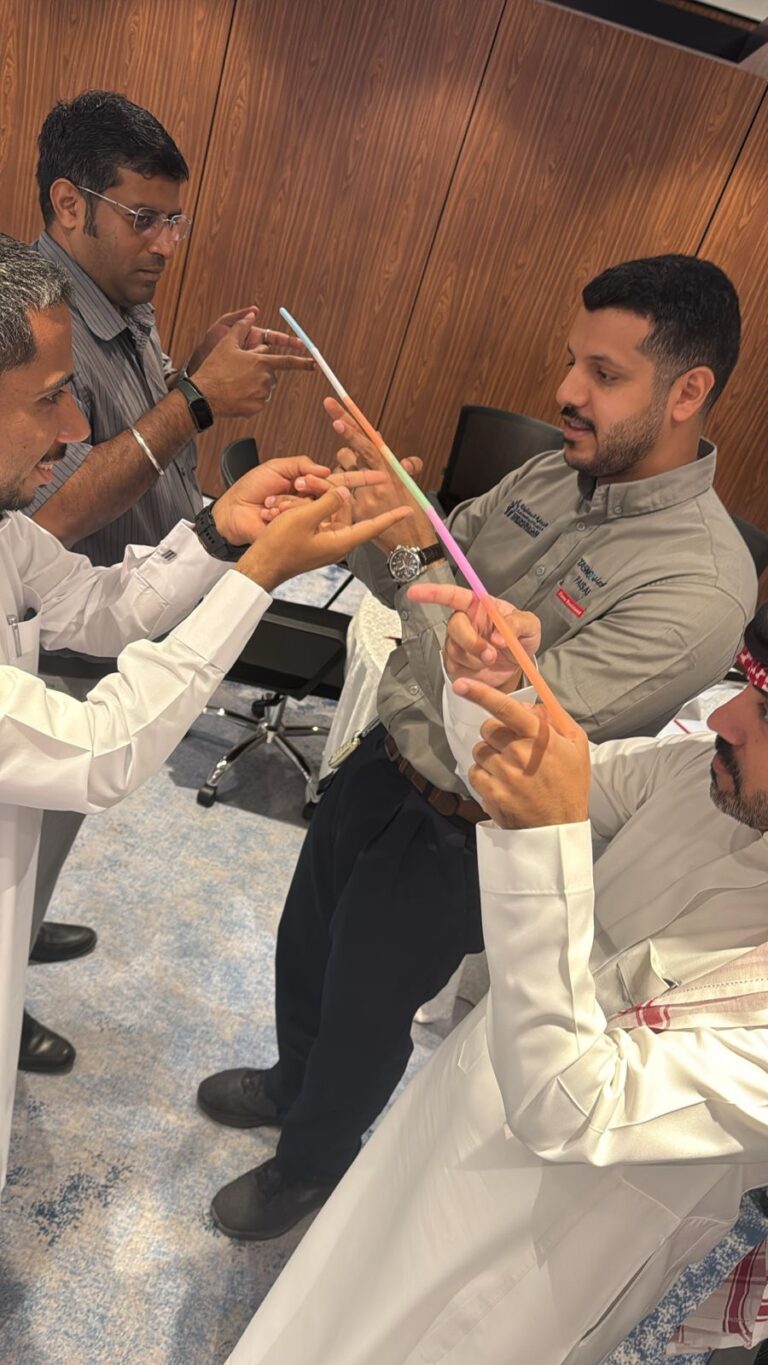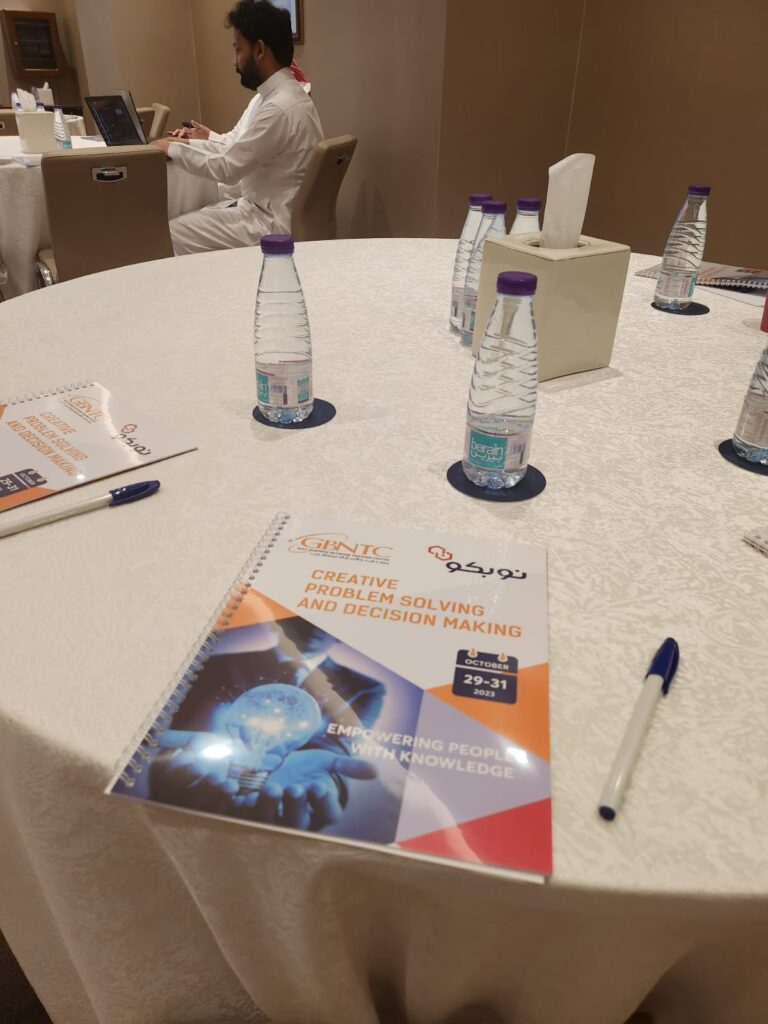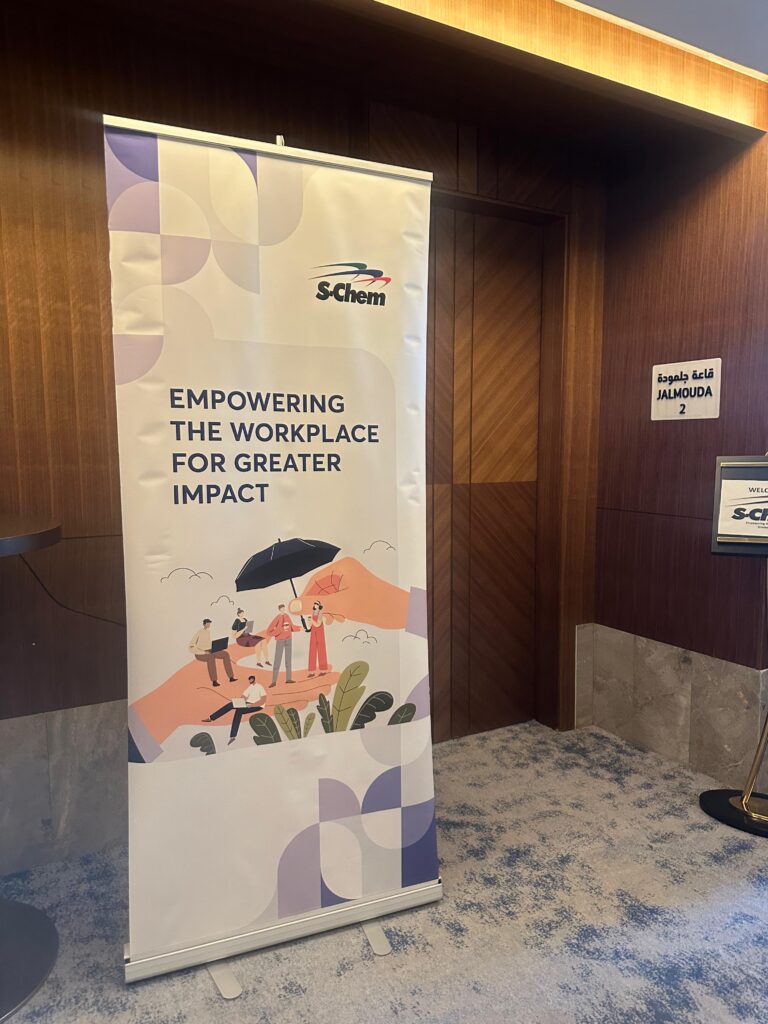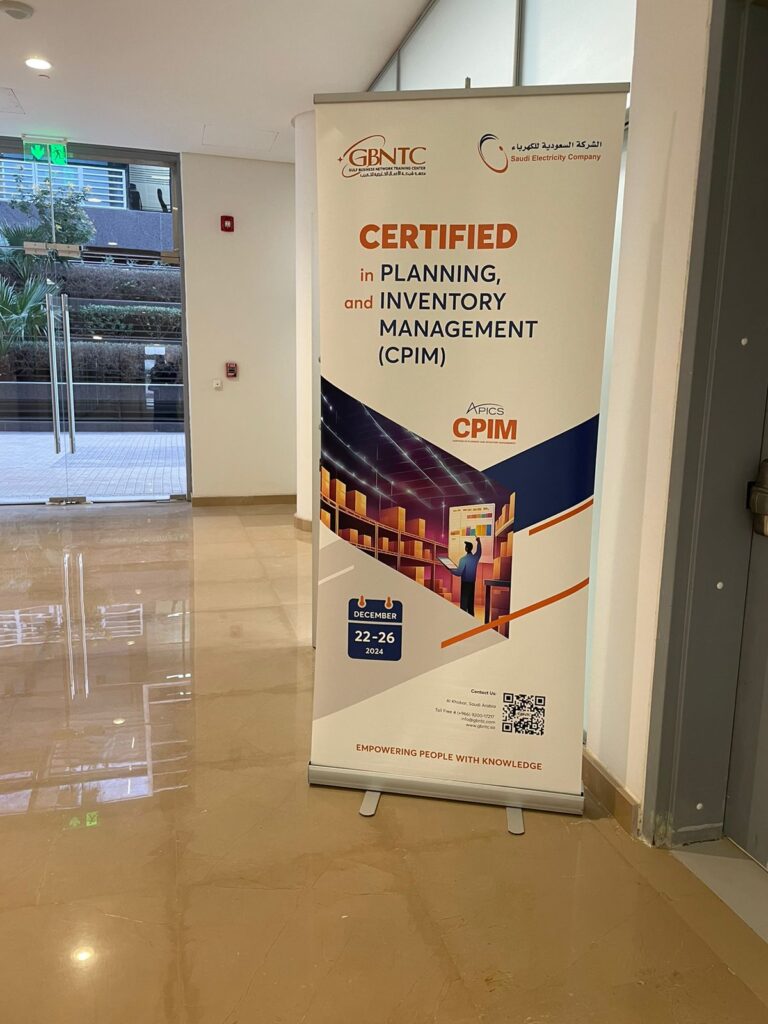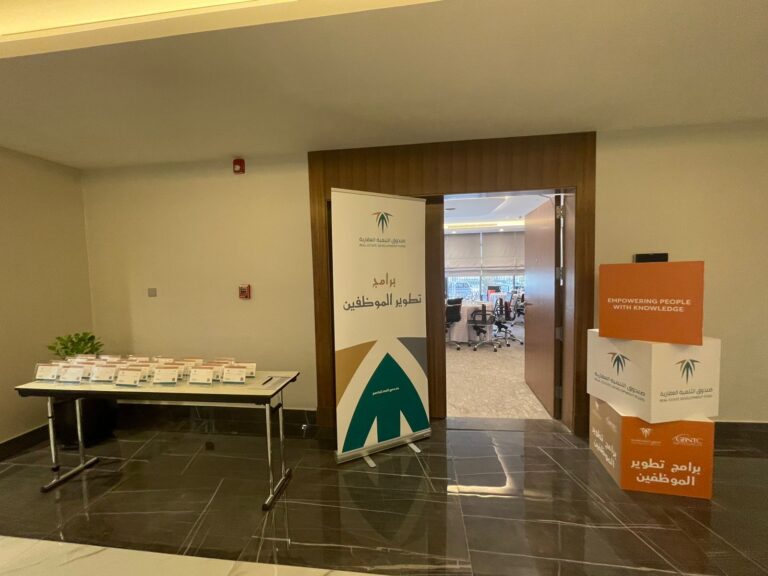

Exhibitions and conferences have become important tools for organizations looking to strengthen their presence, build professional relationships, exchange knowledge, and engage with clients, partners, and stakeholders. As the importance of professional events continues to grow, the success of an exhibition or conference no longer depends only on the execution on the event day. It begins with early planning and continues through post-event evaluation.
Organizing exhibitions and conferences requires the coordination of multiple elements at the same time, starting with defining the event objectives and target audience, followed by venue selection, budget planning, supplier coordination, registration management, attendee experience, logistics, and technical requirements.
This guide explores the key stages of organizing exhibitions and conferences, along with a checklist to help organizations monitor event readiness and a suggested timeline that can be used when preparing an execution plan.
Why Do Organizations Need Professional Exhibition and Conference Planning?
A successful event may appear simple from the outside, but its execution requires careful coordination between multiple teams, suppliers, stakeholders, and tasks.
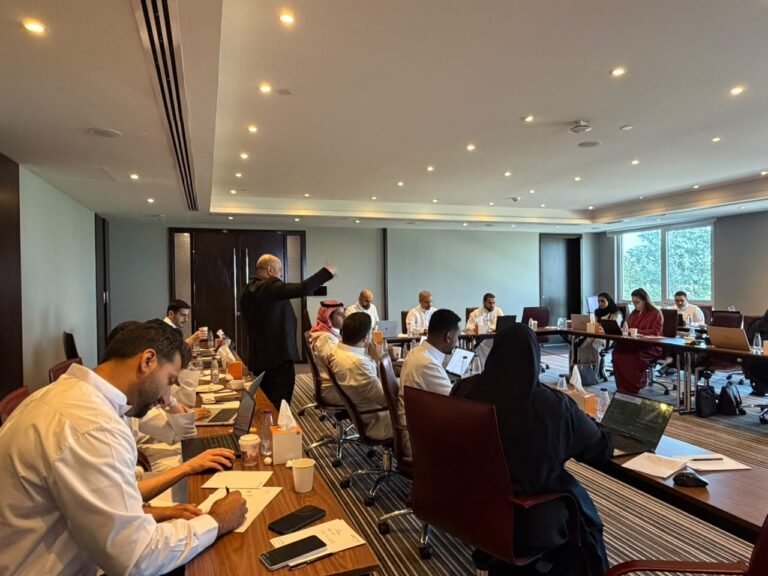
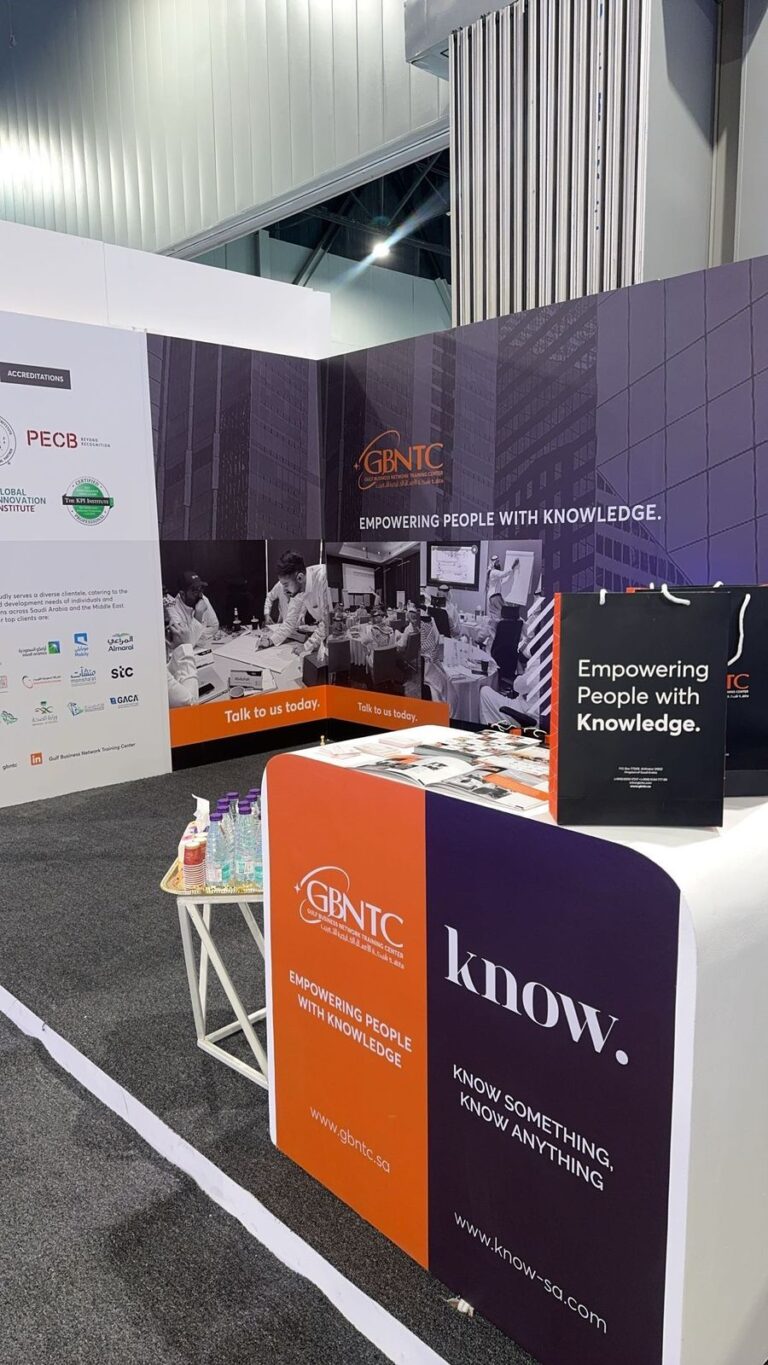
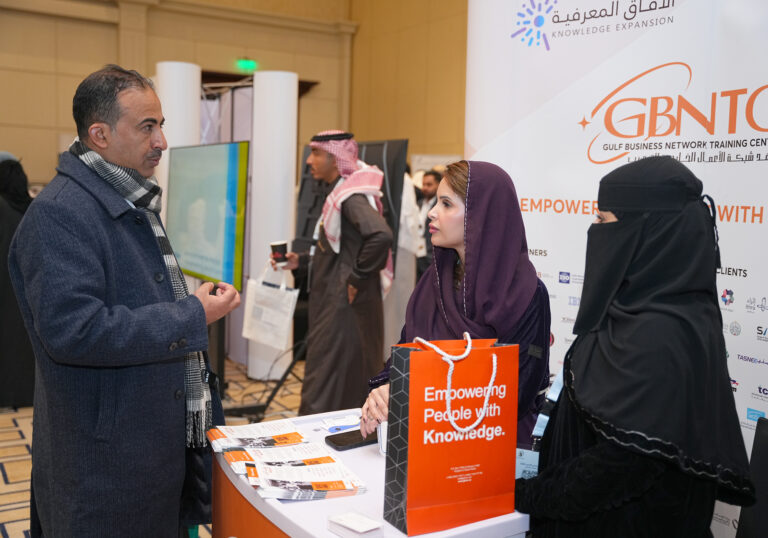
A conference, for example, may involve speakers, sponsors, participants, registration teams, audio-visual equipment, hospitality, promotional materials, and technical services. An exhibition may require additional management of exhibition stands, spaces, visitor flow, and exhibitor coordination.
Structured planning helps organizations:
- Clearly define responsibilities.
- Manage budgets and resources efficiently.
- Reduce risks and unexpected challenges.
- Improve the attendee and visitor experience.
- Ensure effective coordination between suppliers and participating organizations.
- Measure whether the event achieved its objectives.
The earlier the planning process begins, the easier it becomes to manage operational details and make the right decisions at the right time.
Step One: Define the Event Objectives
Before selecting a venue or contacting suppliers, the organization should define the main purpose of the event.
The objective may be to:
- Launch a product or service.
- Build relationships with clients and partners.
- Exchange knowledge and expertise.
- Attract a specialized audience.
- Support marketing or organizational objectives.
- Organize a training or professional event.
- Strengthen the organization’s presence within a specific sector.
Defining the objective helps guide subsequent decisions, including the target audience, event size, content, venue, budget, and success indicators.
At this stage, it is useful to answer questions such as:
- What is the main objective of the event?
- Who is the target audience?
- What results do we want to achieve?
- How many participants or visitors are expected?
- How will the success of the event be measured?
Step Two: Identify the Target Audience
The target audience directly influences the design of the event.
For example, the needs of a conference targeting senior executives will differ from those of an exhibition targeting customers or professionals in a specific sector. Similarly, the requirements of an internal employee event will differ from those of an event open to the public.
Organizations should define:
- The type of attendees.
- The expected number of participants.
- Audience interests.
- Audience needs.
- Their level of knowledge about the subject.
- The most appropriate way to communicate with them before and during the event.
Understanding the audience helps create a more relevant experience, from promotional messaging to the content, activities, and services provided during the event.
Step Three: Prepare the Budget
Budget planning is one of the most important elements of organizing an exhibition or conference because it helps define the event scope and allocate resources according to priorities.
The budget may include:
- Event venue rental.
- Conference room or exhibition space setup.
- Design and production.
- Audio, lighting, and display systems.
- Registration and reception.
- Hospitality.
- Printed and promotional materials.
- Marketing and promotion.
- Speaker fees when required.
- Photography and documentation.
- Transportation and logistics.
- Technical support.
- Security and safety services.
- Event management team.
It is also recommended to allocate a contingency budget to address unexpected changes or requirements during the implementation stages.
Step Four: Select the Venue and Prepare the Space
Venue selection should not depend only on appearance or capacity. It should match the nature of the event, expected attendance, and operational requirements.
The following should be evaluated:
Geographic Location
Is the venue easy to access? Are transportation options and the required facilities and services available nearby?
Capacity
Can the space comfortably accommodate the expected number of participants or visitors?
Facilities and Equipment
The organization should confirm the availability of:
- Audio systems.
- Display screens.
- Appropriate lighting.
- Internet access.
- Breakout rooms when required.
- Registration and reception areas.
- Hospitality services.
- Appropriate attendee facilities.
Space Design
For exhibitions, organizations should plan exhibition stand locations, visitor flow, reception areas, and spaces allocated for activities.
For conferences, the seating arrangement, stage, speaker areas, meeting rooms, and breakout sessions should be considered when required.
Step Five: Develop the Program and Content
Once the objectives, audience, and venue have been defined, the next stage is developing the event program.
The agenda should be clear, organized, and aligned with the objectives of the event and the needs of the audience.
A conference may include:
- Keynote sessions.
- Opening remarks.
- Panel discussions.
- Workshops.
- Specialized sessions.
- Networking opportunities.
Exhibitions may include:
- Exhibitor stands.
- Demonstrations.
- Informational sessions.
- Interactive activities.
- Networking areas.
Early coordination with speakers and exhibitors is also important to ensure that all materials and content are ready before the event date.
Step Six: Manage Suppliers and Logistics
Exhibitions and conferences often require multiple suppliers and supporting service providers. Responsibilities and delivery deadlines should therefore be clearly defined.
Services may include:
- Space setup.
- Printing.
- Audio and visual services.
- Lighting.
- Hospitality.
- Registration.
- Photography.
- Transportation.
- Technical support.
- Security and safety.
It is important to prepare a clear tracking sheet showing the supplier, required service, deadline, responsible person, and implementation status.
Contingency plans should also be prepared to address technical failures, setup delays, or unexpected changes.
Step Seven: Manage Registration and the Attendee Experience
The attendee experience begins before participants arrive at the venue.
The attendee journey should therefore be clear from registration through to departure.
Key elements include:
- A simple and clear registration form.
- Registration confirmation.
- Sending essential event information in advance.
- Arrival and access instructions.
- Organized reception.
- Name badges when required.
- Providing the event schedule.
- Having a team available to answer questions.
The more organized the attendee experience is, the more positively it can influence the overall impression of the event and the organization.
Step Eight: Promote and Communicate Before the Event
Even the most well-planned event needs a communication strategy to reach its target audience.
The plan may include:
- Email marketing.
- Social media platforms.
- The organization’s website.
- Direct invitations.
- Informational content.
- Visual materials.
- Communication with partners and relevant organizations.
Communication should include essential information such as the event name, date, location, target audience, and registration process.
Step Nine: Manage Opening Day
Opening day is where the results of the previous planning stages become visible. The event team should therefore operate according to a clear execution plan.
Before the event begins, the team should confirm:
- Venue readiness.
- Exhibition stand and room setup.
- Technical system testing.
- Registration and reception readiness.
- Arrival of speakers and participating organizations.
- Availability of required materials.
- Readiness of support teams.
During the event, the team should monitor the schedule, maintain coordination between event teams, and respond quickly to any developments.
Suggested Timeline for Organizing an Exhibition or Conference
The planning stages can generally be divided as follows:
3–6 Months Before the Event
- Define the objectives and scope.
- Identify the target audience.
- Prepare the initial budget.
- Select the event date.
- Research suitable venues.
- Develop the initial event concept.
2–3 Months Before the Event
- Confirm the venue.
- Contract suppliers.
- Confirm speakers and participating organizations.
- Prepare the event identity and promotional materials.
- Launch registration.
- Begin communication and promotional activities.
One Month Before the Event
- Review the final program.
- Follow up on event setup and preparations.
- Confirm expected attendance numbers.
- Test technical systems.
- Review the operational and contingency plans.
One Week Before the Event
- Confirm all suppliers.
- Review the execution schedule.
- Confirm speaker attendance.
- Prepare registration lists.
- Review printed materials and event supplies.
- Hold a final meeting with the event management team.
Event Day
- Prepare the venue.
- Welcome attendees.
- Monitor the program.
- Manage logistics.
- Address unexpected developments.
- Document the event.
After the Event
- Collect participant feedback.
- Review the results.
- Analyze performance indicators.
- Prepare the final report.
- Document lessons learned.
Checklist: Are You Ready to Organize an Exhibition or Conference?
Planning
- ☐ Have the event objectives been defined?
- ☐ Has the target audience been identified?
- ☐ Has the budget been established?
- ☐ Has the appropriate date been selected?
- ☐ Have responsibilities been assigned?
Venue and Setup
- ☐ Has the appropriate venue been selected?
- ☐ Is the space suitable for the expected number of attendees?
- ☐ Have the technical requirements been confirmed?
- ☐ Has the design of the spaces and exhibition stands been finalized?
Suppliers
- ☐ Have suppliers been contracted?
- ☐ Have supplier responsibilities been clearly defined?
- ☐ Have delivery deadlines been established?
- ☐ Are contingency plans available?
Attendee Experience
- ☐ Has the registration system been prepared?
- ☐ Has event information been sent to participants?
- ☐ Has the reception team been prepared?
- ☐ Has a clear event schedule been prepared?
Opening Day
- ☐ Have all systems been tested?
- ☐ Is the venue ready to receive attendees?
- ☐ Are speakers and exhibitors aware of the schedule?
- ☐ Does the event team understand its responsibilities?
After the Event
- ☐ Will participant feedback be collected?
- ☐ Have success indicators been defined?
- ☐ Will a final report be prepared?
- ☐ Will lessons learned be documented?
How Does GBNTC Support Organizations in Organizing Exhibitions and Conferences?
GBNTC provides integrated exhibition and conference management solutions that begin with understanding the organization’s objectives, the nature of the event, and the target audience, followed by planning the different stages of execution and coordinating operational and logistical elements.
Event management covers multiple areas that contribute to delivering an organized and professional experience, with a focus on execution quality, attendee experience, and achieving the defined objectives of the event.
Whether an organization is planning a professional conference, exhibition, workshop, or corporate event, having a clear plan and a specialized team can help manage details efficiently and reduce operational challenges.
Frequently Asked Questions
What is the difference between organizing an exhibition and organizing a conference?
Conference management focuses more on the program, speakers, sessions, and attendee experience, while exhibition management requires the coordination of exhibition stands, display spaces, exhibitors, and visitor flow, in addition to the operational elements shared by both types of events.
When should organizations start planning an exhibition or conference?
This depends on the size and complexity of the event. However, larger events generally require a longer planning period to ensure that the venue, suppliers, speakers, registration, and other operational requirements are ready.
What are the key elements of a successful event?
Key elements include clear objectives, understanding the target audience, an appropriate budget, venue selection, operational planning, supplier management, attendee experience, and performance measurement.
How can the success of an exhibition or conference be measured?
Success can be measured through attendance numbers, participation rates, attendee satisfaction, achievement of defined objectives, engagement levels, and the results generated for the organization.
Does an organization need a specialized event management company?
This depends on the size and complexity of the event and the resources available within the organization. Working with a specialized team can help coordinate operational and logistical requirements and manage the details associated with the event.
Exhibitions and conferences succeed when an idea is transformed into a clear plan and then into an organized execution that considers objectives, audience, operational details, and attendee experience. Through early planning, efficient resource and supplier management, a clear timeline, and post-event evaluation, organizations can create events that achieve their objectives and leave a positive impression on participants.
If your organization is planning an exhibition or conference and needs specialized support with planning and execution, GBNTC can help you develop and manage an event aligned with your organizational objectives while delivering a professional experience for participants.
Request a quote for your event.