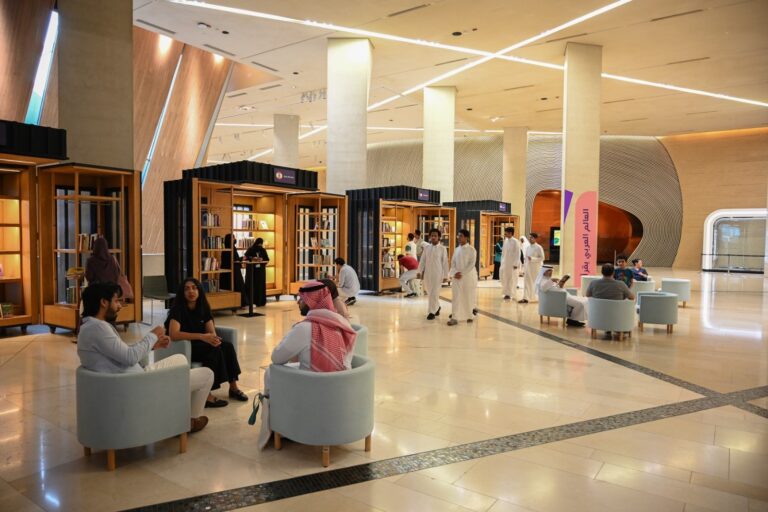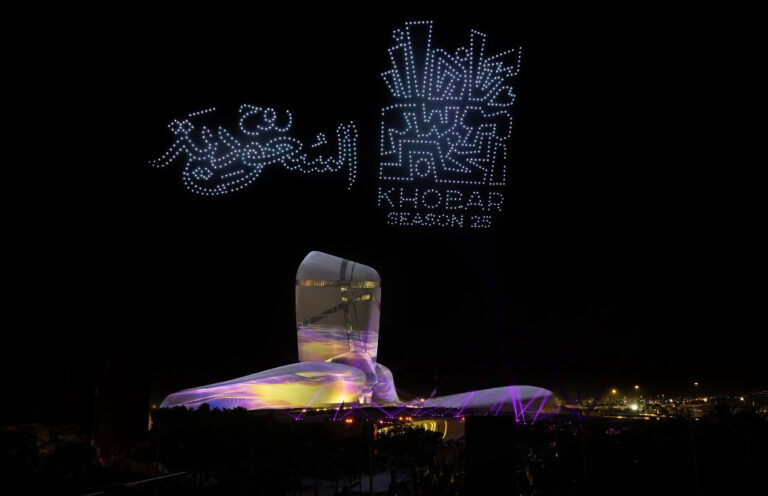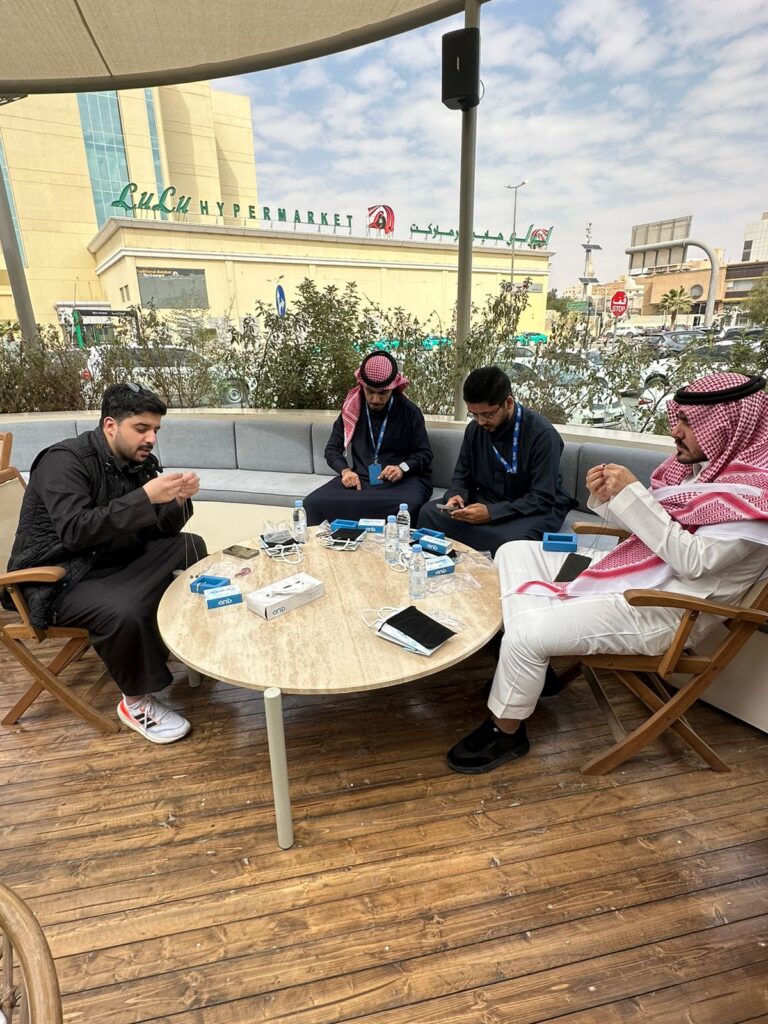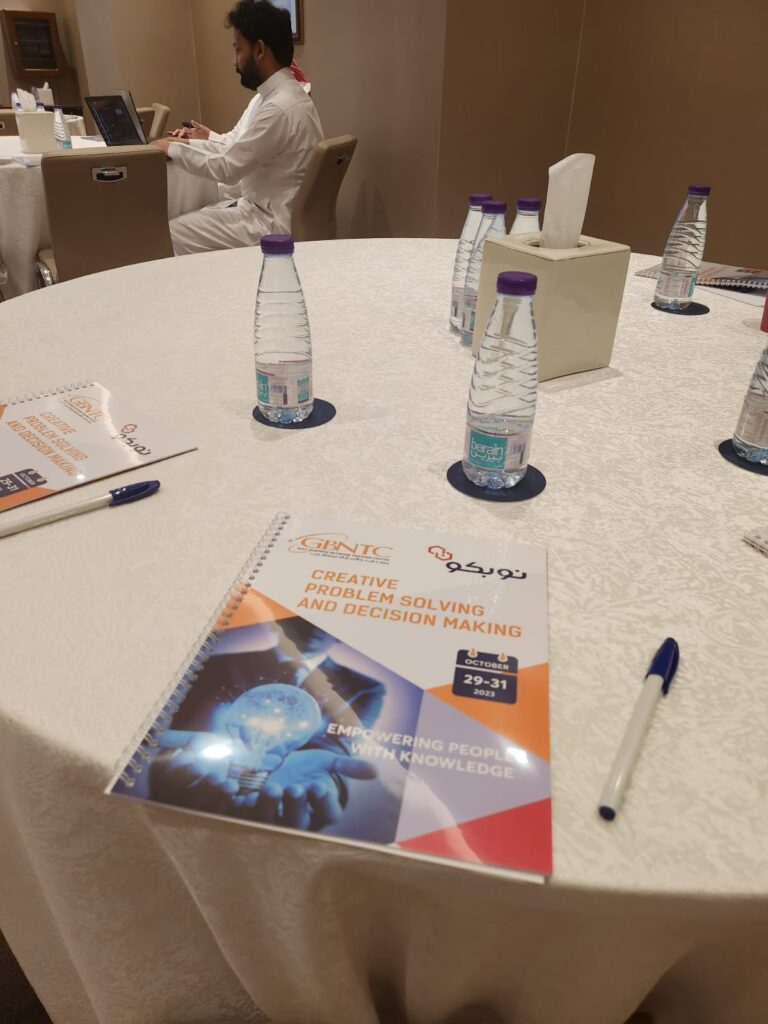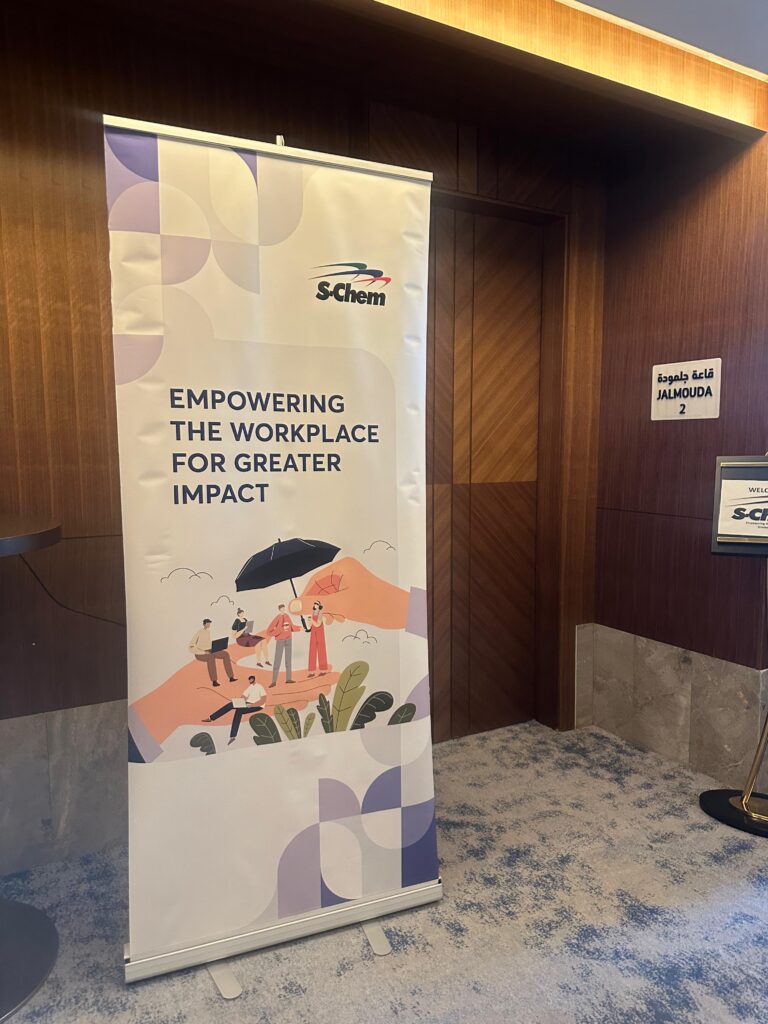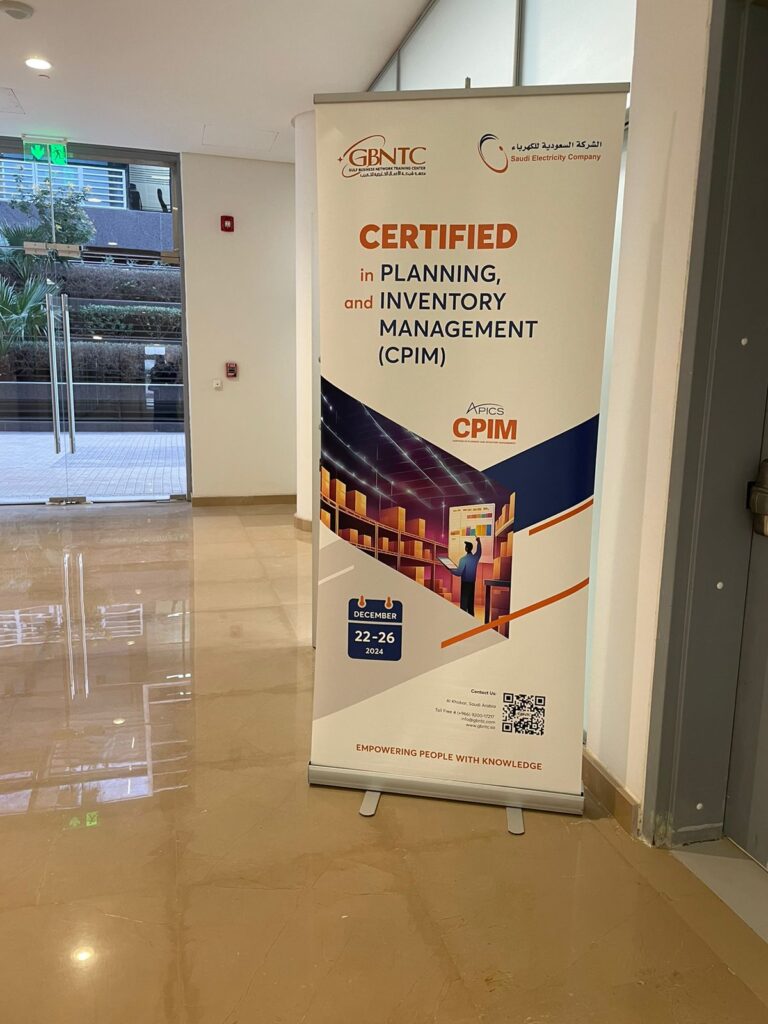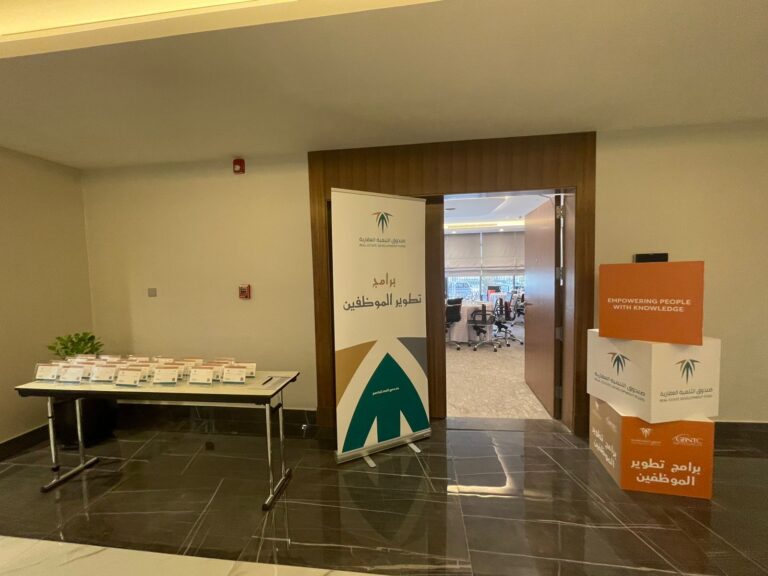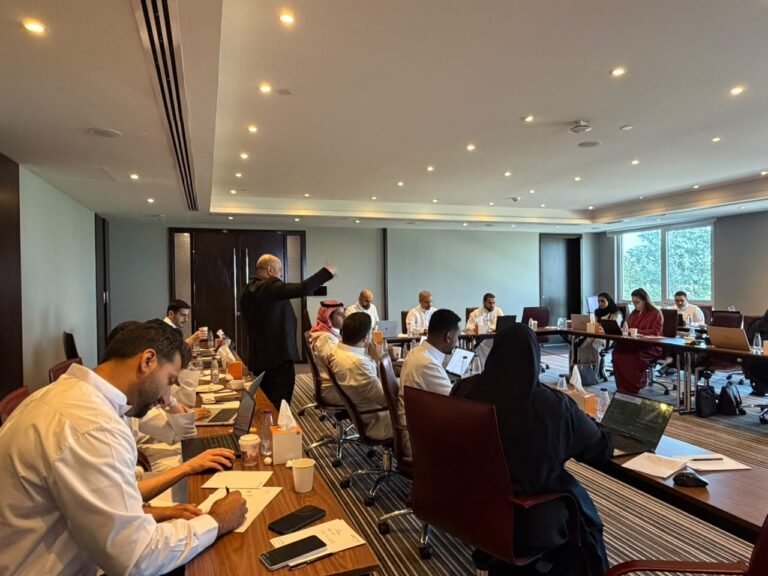

Corporate events in Saudi Arabia have become an important tool for strengthening professional relationships, developing capabilities, and supporting organizations’ strategic objectives.
As the demand for more professional and impactful events continues to grow, effective planning and management have become essential factors for their success.
In this guide, we explore the key steps and best practices for planning and managing corporate events professionally while achieving tangible results.
Why Corporate Events Matter for Organizations
Corporate events are more than opportunities for networking or celebration. They help organizations communicate their vision, strengthen professional relationships, develop employee capabilities, and support strategic business goals.
Organizations across Saudi Arabia organize events for various purposes, including:
- Leadership conferences
- Corporate meetings
- Training workshops
- Industry seminars
- Product launches
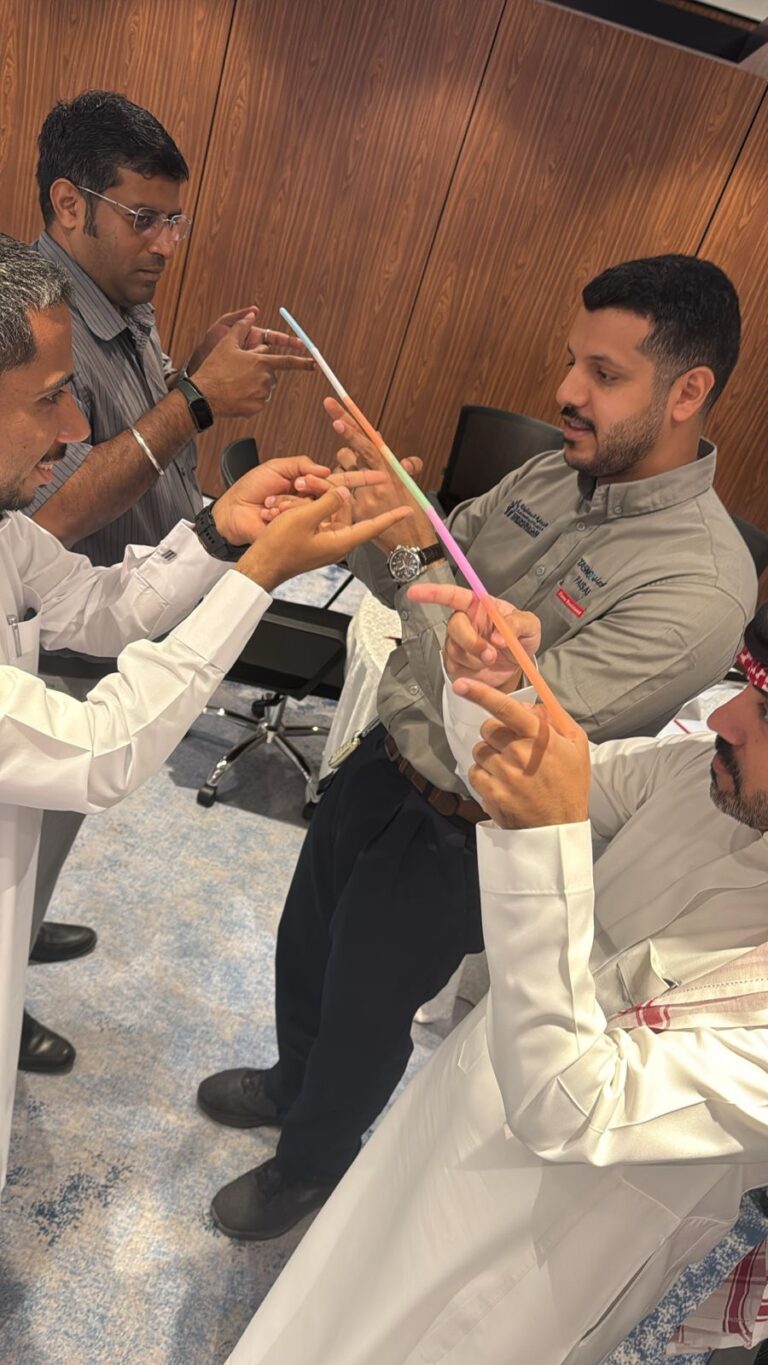
- Team-building activities
- Client appreciation events
- Business networking sessions
When properly planned, these events improve collaboration, enhance organizational culture, and create meaningful engagement with employees, customers, and business partners.
As Saudi Arabia continues its economic transformation under Vision 2030, organizations increasingly rely on professional conference planning in KSA to support innovation, knowledge sharing, and sustainable growth.
Defining Clear Event Objectives
Every successful event begins with a clearly defined purpose.
Without clear objectives, planning becomes reactive rather than strategic, making it difficult to measure success or allocate resources effectively.
Before planning begins, organizations should identify:
- What is the purpose of the event?
- Who is the target audience?
- What business outcomes are expected?
- How will success be measured?
- What experience should attendees have?
For example, an executive leadership summit may focus on strategic planning and networking, while a technical workshop aims to build specific skills through practical learning.
Defining objectives early ensures that every decision—from venue selection to event content—supports the organization’s overall goals.
Understanding Your Audience
Successful events are designed around the needs and expectations of attendees.
Understanding your audience helps determine the appropriate format, venue, communication style, and event agenda.
Organizations should consider factors such as:
Professional Roles
Executives, managers, technical specialists, and new employees each have different expectations and learning needs.
Industry Requirements
Industries such as healthcare, energy, manufacturing, finance, and technology often require specialized event formats and subject matter.
Audience Size
Small executive meetings require a different planning approach than conferences with hundreds of participants.
Accessibility and Inclusion
Ensuring accessibility for all attendees creates a more welcoming and professional event experience.
When organizing corporate meetings in Saudi, it is also important to respect local business culture, scheduling considerations, and professional etiquette to create a positive environment for all participants.
Planning Your Budget
Budget planning is one of the most important aspects of successful event management.
A realistic budget allows organizations to prioritize resources while minimizing unexpected expenses.
Typical event costs include:
- Venue rental
- Catering services
- Audio-visual equipment
- Event branding
- Marketing materials
- Registration systems
- Speaker fees
- Photography and videography
- Transportation
- Event staff
- Technical support
Organizations should also allocate a contingency budget to manage unforeseen costs without affecting the overall event quality.
Careful financial planning helps maximize value while ensuring the event remains aligned with organizational objectives.
Choosing the Right Venue
Venue selection significantly influences the success of an event.
The ideal venue should support the event’s objectives while providing a comfortable and professional experience for attendees.
When evaluating venues, consider:
Location
Choose a venue that is easily accessible for participants and conveniently located near transportation, hotels, or business districts when appropriate.
Cities such as Riyadh, Jeddah, and Dammam offer a wide range of venues suitable for conferences, exhibitions, and corporate meetings.
Capacity
The venue should comfortably accommodate attendees without feeling overcrowded or underutilized.
Facilities
Modern venues should provide:
- Reliable internet connectivity
- High-quality audio-visual systems
- Flexible meeting spaces
- Breakout rooms
- Catering options
- Parking facilities
Technology
As hybrid events become increasingly common, venues should also support live streaming, virtual participation, and digital engagement tools where needed.
Selecting the right venue is a critical component of successful event management in Riyadh and across Saudi Arabia.
Building an Effective Event Plan
Once the objectives, audience, budget, and venue have been established, organizations should develop a comprehensive event plan that outlines every stage of the event lifecycle.
An effective event plan provides a clear roadmap, helping teams stay organized while ensuring that responsibilities, deadlines, and resources are properly managed.
A typical event planning timeline includes:
Before the Event
- Define the event scope and objectives.
- Confirm the venue and event date.
- Identify speakers or facilitators.
- Develop the agenda.
- Coordinate suppliers and vendors.
- Launch attendee registration.
- Promote the event through appropriate communication channels.
During the Event
- Manage attendee registration.
- Coordinate speakers and presentations.
- Monitor the event schedule.
- Address operational challenges promptly.
- Ensure effective communication between all teams.
After the Event
- Collect participant feedback.
- Evaluate event performance.
- Review the budget.
- Share post-event reports.
- Identify lessons learned for future events.
A structured planning process reduces uncertainty and helps organizations deliver a consistent experience from beginning to end.
Managing Logistics and Vendors
Successful corporate events in Saudi Arabia rely on seamless coordination between multiple stakeholders.
Even the most well-designed event can face challenges if logistics are not carefully managed.
Organizations should coordinate with vendors responsible for:
- Catering services
- Audio-visual equipment
- Event branding
- Photography and videography
- Printing materials
- Transportation
- Registration systems
- Security services
Assigning clear responsibilities and maintaining regular communication with suppliers helps reduce operational risks and keeps every aspect of the event aligned with the planned schedule.
It is also beneficial to prepare contingency plans for unexpected situations, such as equipment failures, speaker schedule changes, or weather-related disruptions.
Leveraging Technology for Better Events
Technology has transformed the way organizations plan and manage corporate events.
Digital solutions improve efficiency before, during, and after an event while creating a better experience for attendees.
Organizations can benefit from technologies such as:
Online Registration Platforms
Digital registration simplifies attendee management and provides valuable participation data.
Event Mobile Applications
Event apps can provide agendas, speaker information, venue maps, networking opportunities, and real-time announcements.
Hybrid Event Platforms
Organizations can expand participation by combining in-person and virtual attendance.
Hybrid events are particularly valuable for organizations operating across multiple cities or regions.
Data and Analytics
Event analytics help organizations evaluate attendance, engagement, and overall event performance, supporting continuous improvement for future events.
Measuring Event Success
Planning an event is only part of the process. Organizations should also evaluate whether the event achieved its intended objectives.
Measuring success helps determine the return on investment (ROI) and identifies opportunities for improvement.
Common performance indicators include:
Attendance
Did the event achieve its registration and participation goals?
Participant Satisfaction
Collecting attendee feedback provides valuable insights into the quality of the event experience.
Engagement
Organizations can evaluate participation through audience interaction, networking activity, workshop attendance, and digital engagement.
Business Objectives
Depending on the purpose of the event, success may include:
- Improved employee engagement
- Stronger client relationships
- Increased brand awareness
- Knowledge sharing
- Lead generation
- Workforce development
Evaluating these outcomes helps organizations make informed decisions when planning future events.
Checklist: Is Your Corporate Event Ready?
Use this checklist to evaluate your event planning process before launch.
Planning the Event
- Have clear business objectives been defined?
- Have you identified your target audience?
- Is your event format suitable for your objectives?
- Have responsibilities been assigned to the planning team?
Managing Logistics
- Has the venue been confirmed?
- Are vendors and suppliers coordinated?
- Is the event schedule finalized?
- Have contingency plans been prepared?
Delivering a Positive Experience
- Is attendee registration ready?
- Has all event technology been tested?
- Are communication materials prepared?
- Is the event accessible for all participants?
Measuring Results
- Will attendee feedback be collected?
- Have success indicators been defined?
- Will event outcomes be evaluated?
- Are improvement opportunities documented for future events?
How GBNTC Supports Corporate Event Management
Planning and delivering successful corporate events requires more than operational coordination. It requires a structured approach that aligns every stage of the event with organizational goals.
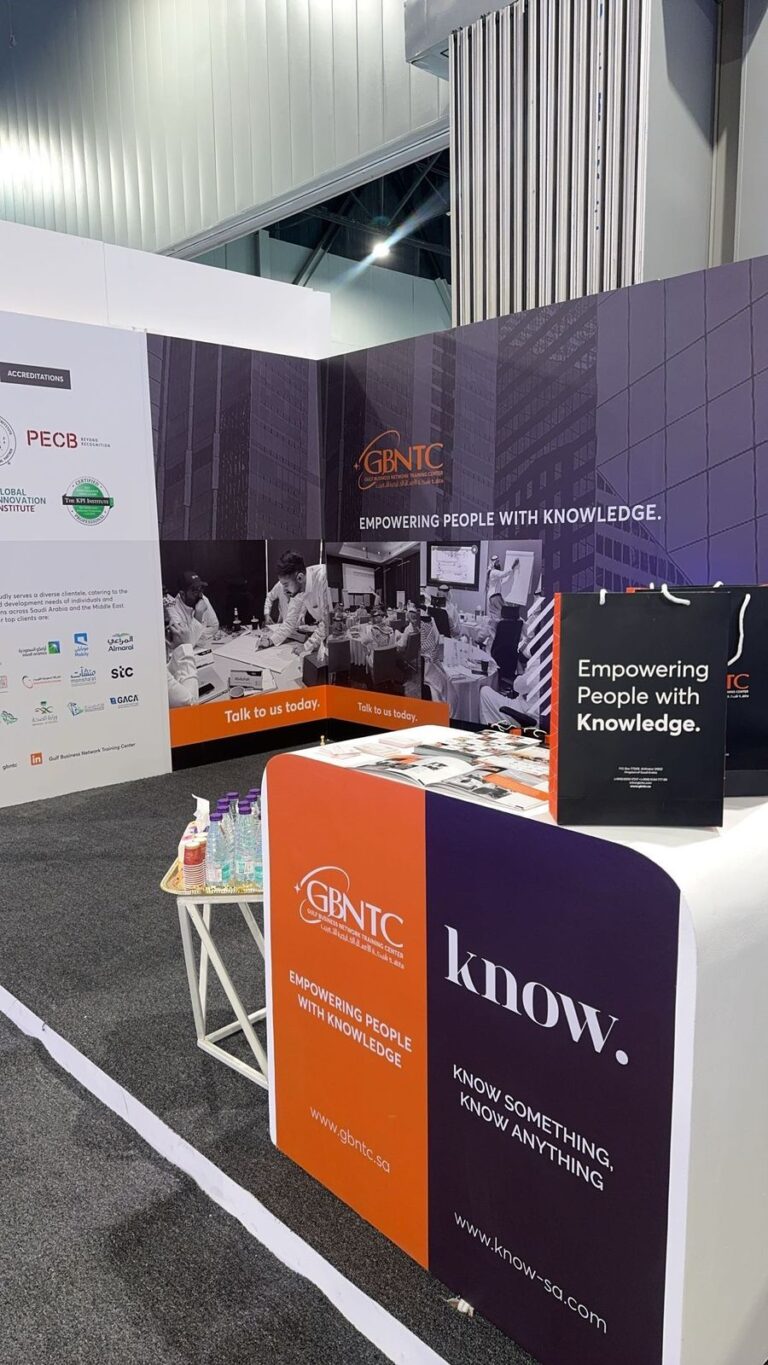
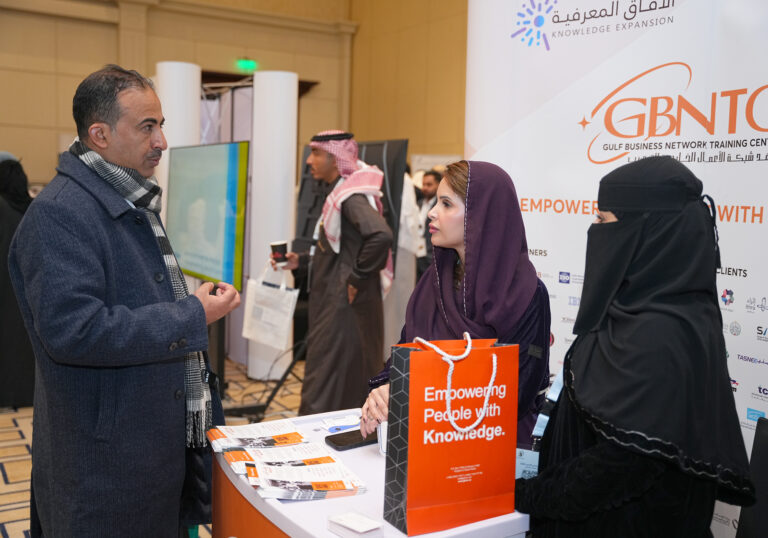
GBNTC supports organizations by providing professional event management solutions designed to simplify planning, coordinate execution, and create meaningful experiences for participants.
From conferences and executive meetings to training workshops and business events, GBNTC works closely with organizations to understand their objectives, manage event logistics, and deliver events that reflect the highest standards of professionalism.
By combining strategic planning, operational expertise, and attention to detail, GBNTC helps organizations create events that strengthen collaboration, support knowledge sharing, and contribute to long-term business success.
Frequently Asked Questions (FAQ)
What are corporate events?
Corporate events are professional gatherings organized by businesses for purposes such as training, networking, conferences, product launches, employee engagement, or strategic meetings.
What is the first step in planning a corporate event?
The first step is defining clear objectives, identifying the target audience, and determining the desired business outcomes before planning logistics.
How far in advance should organizations plan corporate events?
The planning timeline depends on the event size and complexity. Smaller events may require several weeks, while large conferences often require several months of preparation.
Why is venue selection important?
The venue affects accessibility, attendee experience, technology capabilities, networking opportunities, and the overall success of the event.
How can organizations measure the success of corporate events?
Organizations can measure success through attendance, participant feedback, engagement levels, achievement of business objectives, and post-event performance indicators.
Conclusion
As organizations continue to invest in collaboration, workforce development, and business growth, professionally managed corporate events have become an essential part of organizational success.
Planning successful corporate events in Saudi Arabia requires more than organizing schedules and venues. It involves defining clear objectives, understanding participant needs, managing resources effectively, coordinating logistics, and continuously evaluating results.
By following a structured planning approach, organizations can create events that deliver meaningful experiences, strengthen professional relationships, and support long-term business objectives.
Whether organizing executive meetings, conferences, workshops, or large-scale corporate gatherings, investing in effective event management helps organizations maximize value while ensuring every event contributes to measurable business outcomes.
Planning your next corporate event in Saudi Arabia?
Partner with GBNTC to deliver professionally managed conferences, business meetings, workshops, and corporate events that align with your organizational objectives and create meaningful experiences for your participants.
Explore our Event Management solutions to learn how GBNTC can support your next event.