
Program Overview
Effective leadership is essential to building a strong workplace safety culture and ensuring that health and safety remain integral to organizational decision-making.
The NEBOSH Health & Safety Leadership Excellence program focuses on strengthening the leadership capabilities needed to promote workplace safety, influence employee behavior, and support proactive health and safety management.
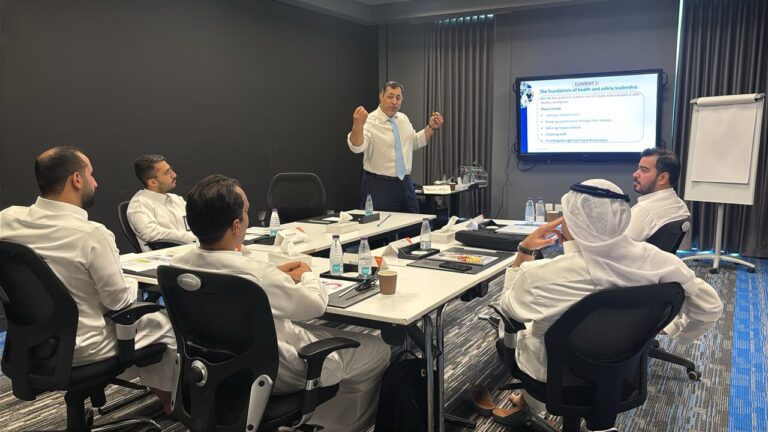
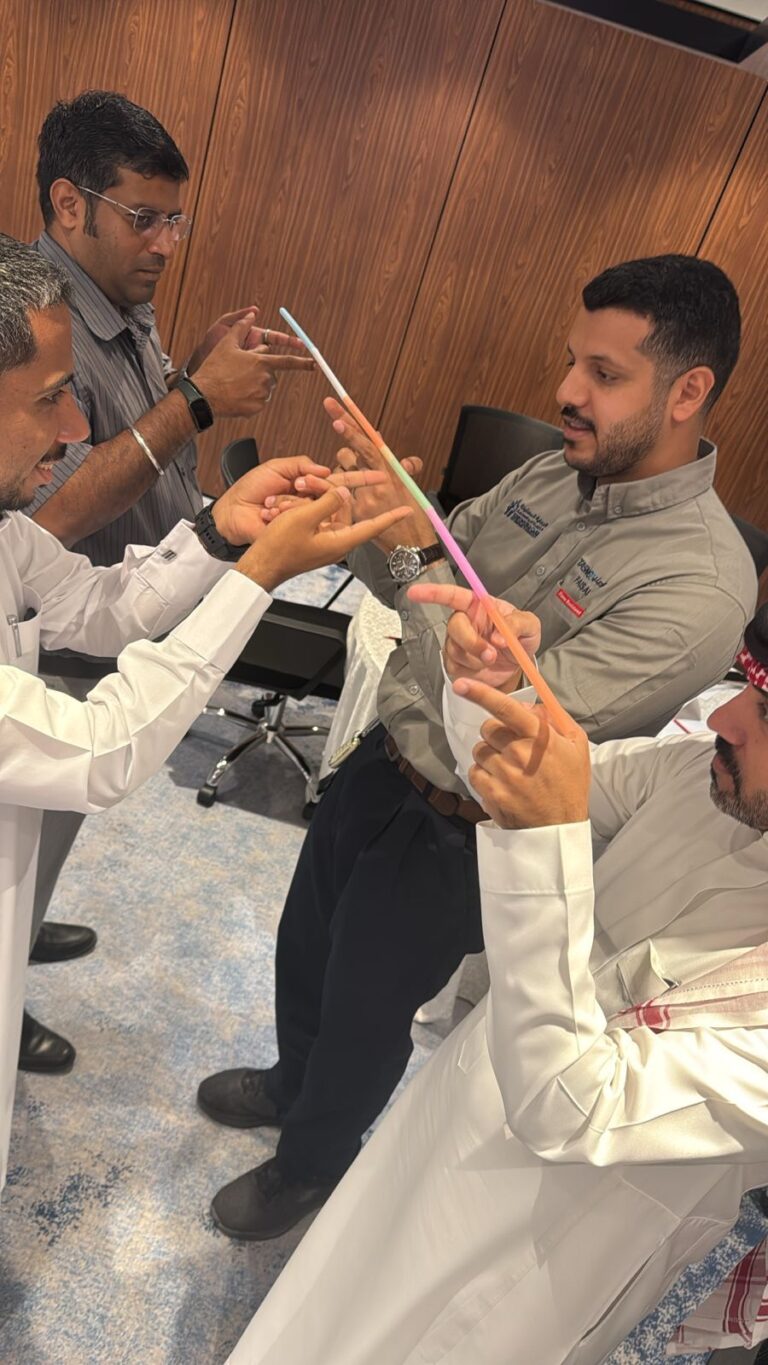
Through leadership-focused discussions, practical scenarios, and workplace examples, participants will explore how leaders can demonstrate accountability, encourage employee engagement, and integrate health and safety considerations into everyday business operations.
Program Objectives
- Understand the role of leadership in occupational health and safety performance.
- Strengthen leadership accountability and commitment to workplace safety.
- Explore approaches to building a positive safety culture.
- Improve communication and employee engagement in health and safety.
- Support continuous improvement through effective safety leadership practices.
Key Learning Outcomes
Upon completing the program, participants will be able to:
- Recognize the influence of leadership on workplace safety performance.
- Demonstrate effective health and safety leadership behaviors.
- Encourage employee participation in safety initiatives.
- Integrate safety considerations into operational decision-making.
- Identify opportunities to strengthen organizational safety culture.
Program Outline
1. Leadership and Workplace Safety
- The role of leaders in health and safety.
- Leadership responsibilities and accountability.
- Connecting safety performance with organizational objectives.
2. Building a Positive Safety Culture
- Understanding organizational safety culture.
- Leadership behaviors that influence safety.
- Encouraging shared responsibility for workplace safety.
3. Communication and Employee Engagement
- Effective safety communication.
- Employee involvement and participation.
- Leading constructive safety discussions.
4. Safety Leadership in Practice
- Risk awareness and decision-making.
- Leading by example.
- Addressing unsafe behaviors and workplace concerns.
5. Continuous Safety Improvement
- Monitoring safety performance.
- Encouraging reporting and organizational learning.
- Developing leadership actions to improve safety culture.
Who Should Attend?
- Senior executives and business leaders.
- Department heads and directors.
- Operations and facility managers.
- Team leaders and supervisors.
- HSE managers and professionals.
- Professionals responsible for leading workplace safety initiatives.
Lead the Way Toward a Stronger Safety Culture
Strengthen your leadership capabilities and contribute to a workplace where health, safety, and accountability are shared priorities.
Contact GBNTC to learn more about the program and explore leadership development opportunities for your organization.